
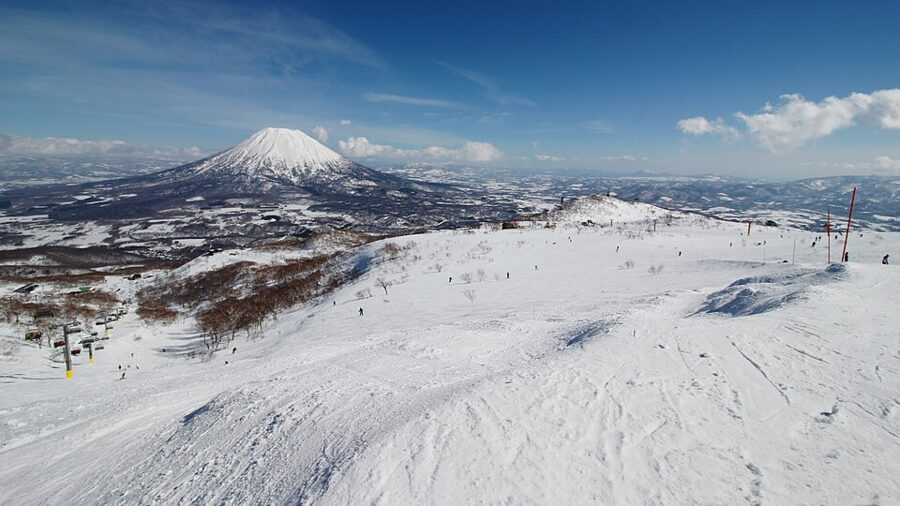

The gate at the top of the Hirafu lifts is a gap in a rope with a sign beside it, and on a storm morning the day is decided there. Either the patrol has opened it or it hasn’t. Beyond it lies the reason people fly halfway round the world to ski in Japan: a metre of new snow so dry it blows off a glove, birch and fir spaced for turning, and a mountain that once had the worst avalanche record in the country.
Japanese skiing is mostly about snow and partly about rules. The snow is deeper and lighter than almost anywhere else on earth because of a cold, wet wind that blows from Siberia for three months a year. The rules exist because that same snow kills people who treat it casually.
I’ll be blunt about one thing first. The famous names are famous for good reasons, but a week in Japan goes best when you pick the region before you pick the resort. Hokkaido and Honshu are a flight apart, the snow is different on each, and the trip that tries to do both spends two days in transit for nothing.


Contents9 sections
Why the snow falls where it does
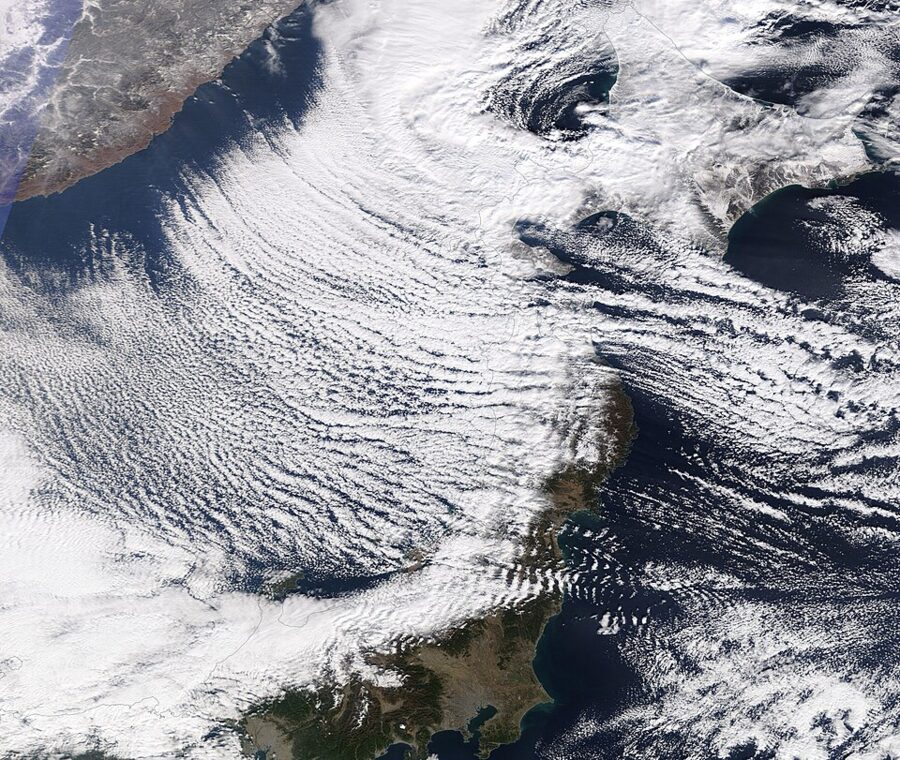
Every winter a mass of very cold air builds over Siberia and spills south-east across the Sea of Japan. The sea is far warmer than the air, so the wind picks up heat and moisture over a few hundred kilometres of open water and arrives at the Japanese coast as bands of snow cloud. When those clouds hit the mountains that run down the spine of Hokkaido and Honshu they are forced upwards and dump their load on the windward, Sea of Japan side. Tokyo, on the far side of the mountains, gets the dry wind and blue sky.
The numbers from the Japan Meteorological Agency explain the map better than any marketing. The weather station at Kutchan, the town below Niseko, records a normal of 921 cm of snowfall a year, and its record winter was 2,019 cm in 1970.
In Nagano, the station in Nozawa Onsen village averages 1,087 cm and Hakuba 655 cm. In Niigata, Yuzawa averages 1,054 cm, Tsunan 1,301 cm and Sekiyama, at the foot of the Myoko ski areas, 1,061 cm. These are valley floors. The upper lifts get more.
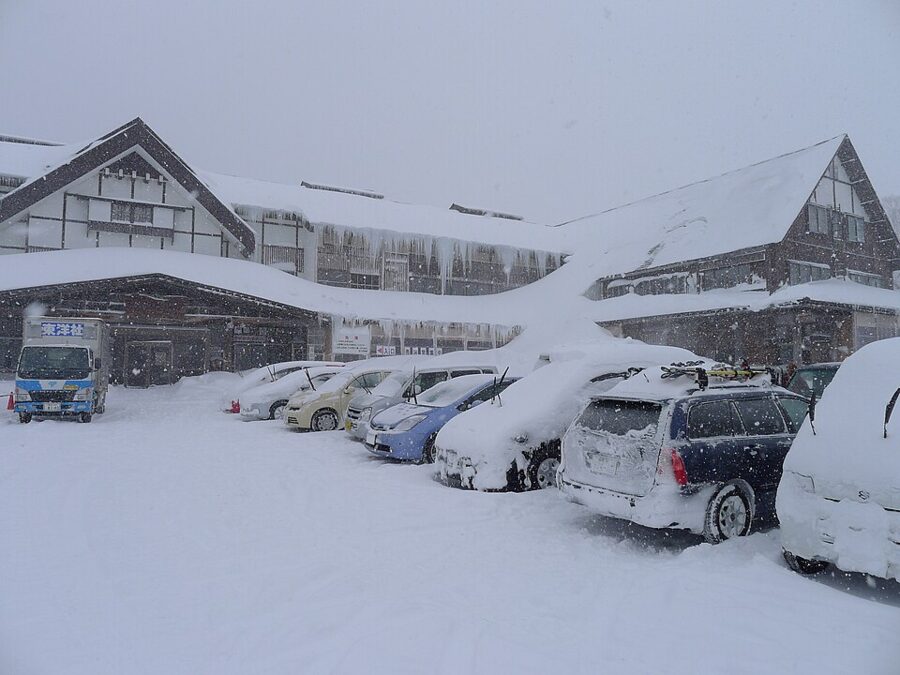
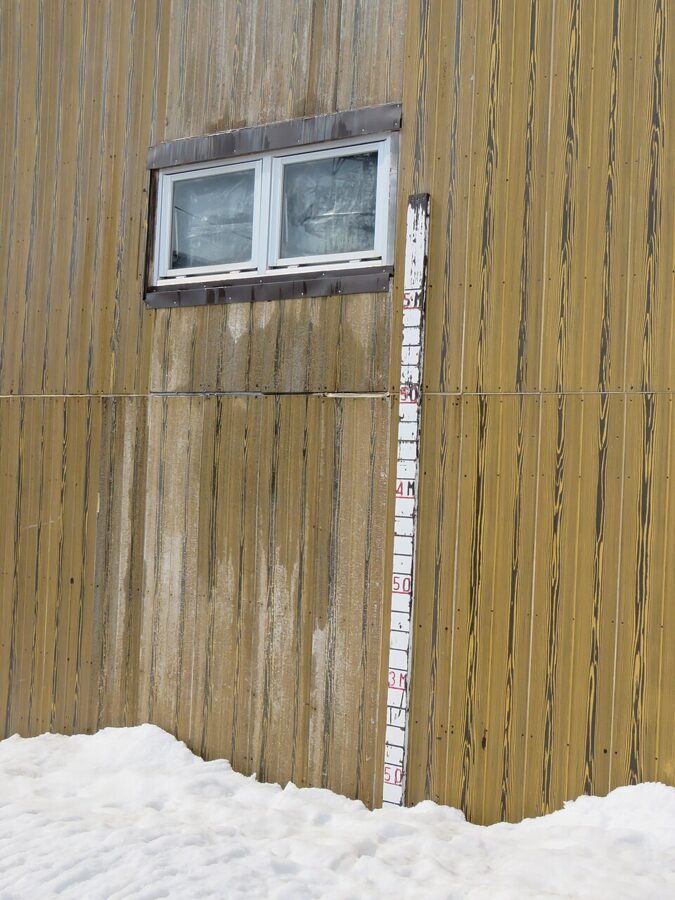
The extreme is in Aomori. Sukayu, an old hot-spring inn at about 900 m on the flank of the Hakkoda range, has the highest normal annual snowfall of any agency station at 1,706 cm. Its depth gauge read 566 cm on 26 February 2013, and it was still reading 487 cm on 28 January 2026. That is deeper than a single-storey house is tall.

Quantity is only half of it. “Japow”, the word overseas skiers use for Japanese powder, means snow with very little water in it, and that depends on temperature. Here the stations tell a second story.
The January mean at Yuzawa is -0.4°C and at Sekiyama 0.0°C: deep snow, but often heavy, and rain is possible on the lower slopes in a warm spell. Nozawa Onsen averages -1.6°C and Hakuba -2.8°C. Kutchan sits at -5.4°C, and inland Hokkaido is colder again, with Furano at -8.3°C and Sukayu at -7.5°C.
So the rule of thumb holds: the further north and the further inland, the lighter the snow, and the less of it. Central Hokkaido (Furano, Tomamu, Asahidake) gets the driest snow in Japan in modest amounts. The Niseko and Kiroro side of Hokkaido gets huge amounts of very good snow. Northern Nagano and Niigata get the biggest totals on Honshu, wetter at the bottom and excellent at the top, and the Tohoku volcanoes sit somewhere between.

The pattern also explains the weather you will ski in. The same wind that brings the snow brings cloud, so storm cycles on the Sea of Japan side can run for days, and flat light is normal in January. Blue-sky powder days come when the high pressure moves through, usually after a storm has cleared, and those are the mornings the lift queues start early.
Hokkaido
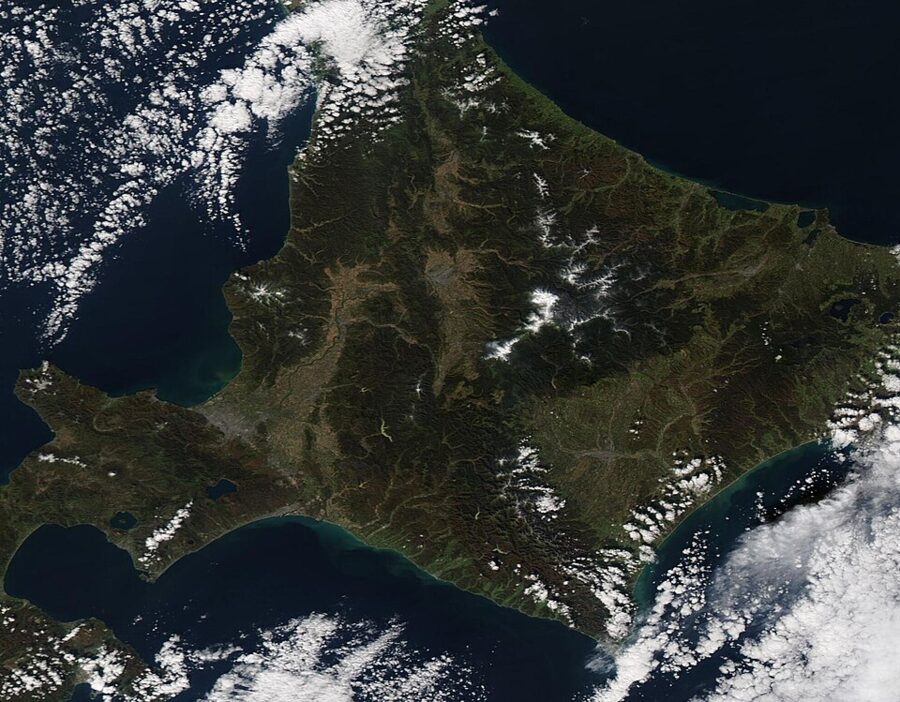
Japan’s northern island has the coldest, most reliable snow and the longest lift seasons. Most trips arrive at New Chitose Airport near Sapporo, and almost every resort below is within a few hours of it by road or rail.
Niseko
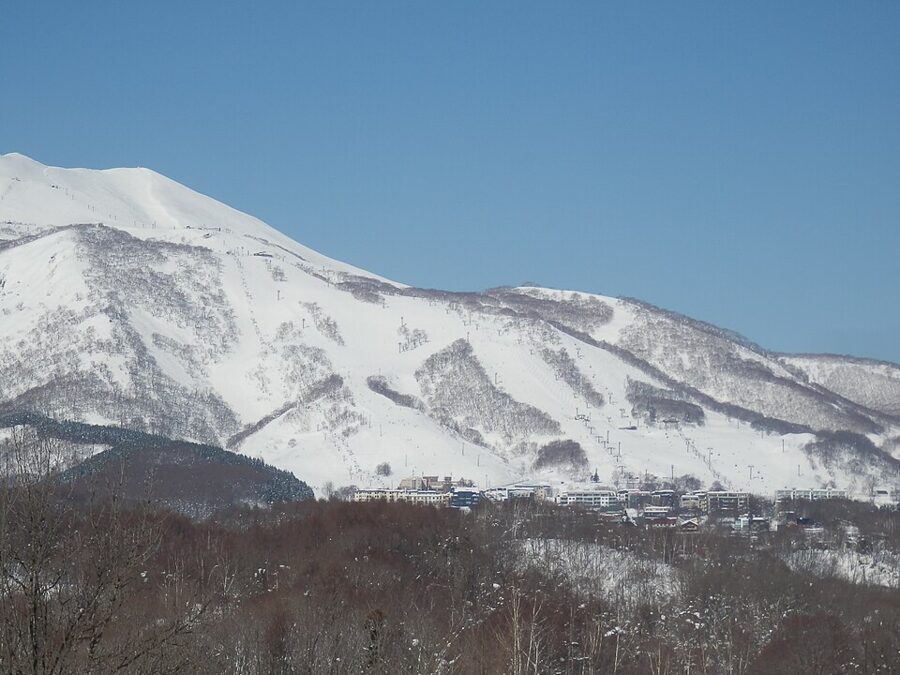
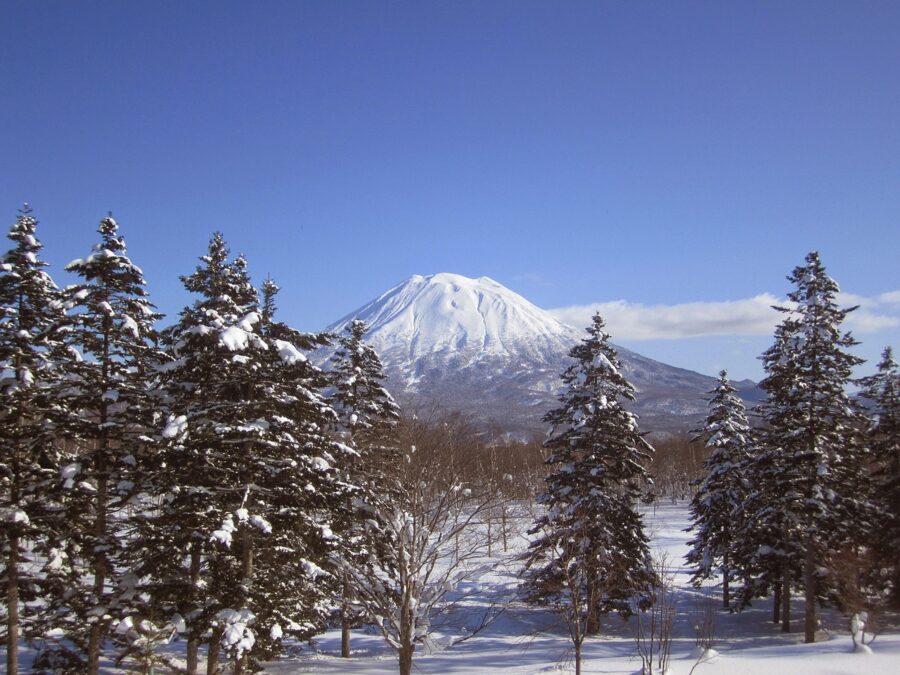
Niseko is four linked resorts on one volcano, Niseko Annupuri (ニセコアンヌプリ): Grand Hirafu, Hanazono, Niseko Village and Annupuri, sold on one All Mountain Pass. It is the most international ski town in Japan, with the most English, the most expensive rooms and the longest storm-day queues. The 2026–27 season runs from 28 November 2026 to 5 May 2027 at Grand Hirafu and Annupuri, with night skiing from 12 December to 22 March.


Rusutsu
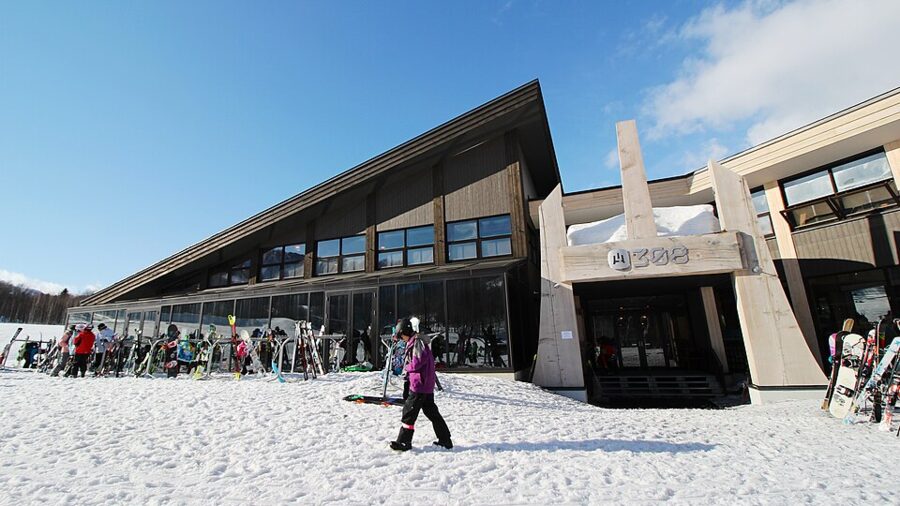
Rusutsu is one company’s resort spread over three mountains, West Mountain, East Mountain and Isola, about an hour’s drive inland from Niseko. The snow is similar, the crowds thinner, and the tree skiing on Isola is some of the best lift-served off-piste in the country. It is not cheap: the regular-season day ticket (19 December 2026 to 14 March 2027) is ¥16,700 at the window or ¥13,200 bought online through the resort’s app, the highest walk-up price of any big resort in Japan this winter. Night skiing runs 16:00–20:00 from mid-December to 30 March.

Kiroro
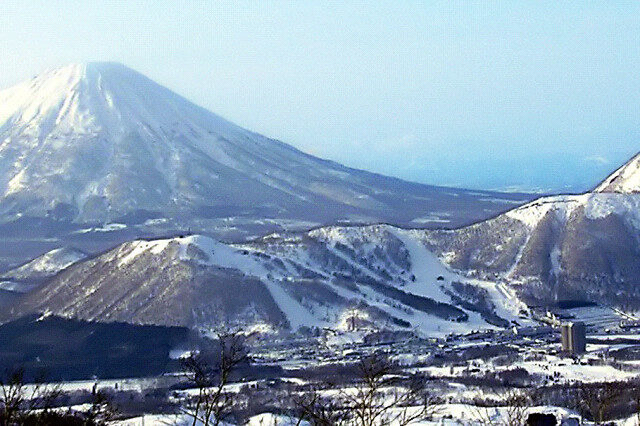
Kiroro sits in a bowl in the hills between Otaru and Niseko, away from the coast, and it is known in Hokkaido for the size of its snowfall. The resort runs from 28 November 2026 to 5 May 2027, and a high-season day pass (12 December to 11 April) is ¥9,200, or ¥5,800 in the early and spring weeks. Winter buses run from Otaru and Sapporo, which makes it the easiest big Hokkaido resort to reach without a car. There is little village beyond the hotels, so this is a place to ski hard and go to bed.

Furano
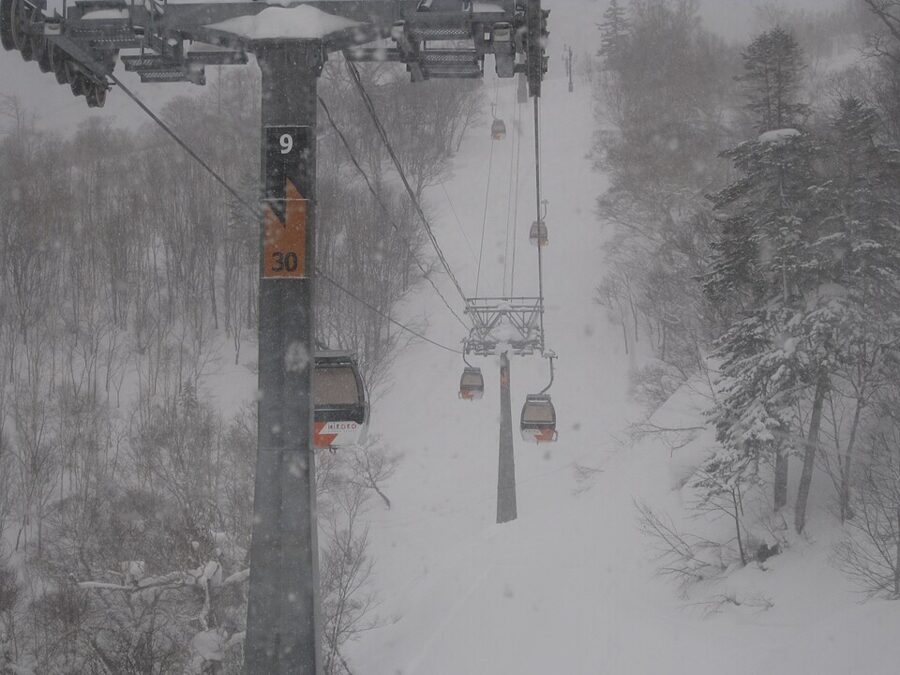
Furano is in the middle of the island, in the basin below the Tokachi range, and it gets the cold, dry snow of the interior rather than the volume of the west coast. The resort has two zones, Furano and Kitanomine, long groomed runs that hosted World Cup races, and a real town at the bottom with restaurants that do not close when the lifts do. The season is 28 November 2026 to 5 May 2027, and a day ticket is ¥9,000 from 5 December to 22 March.

Tomamu
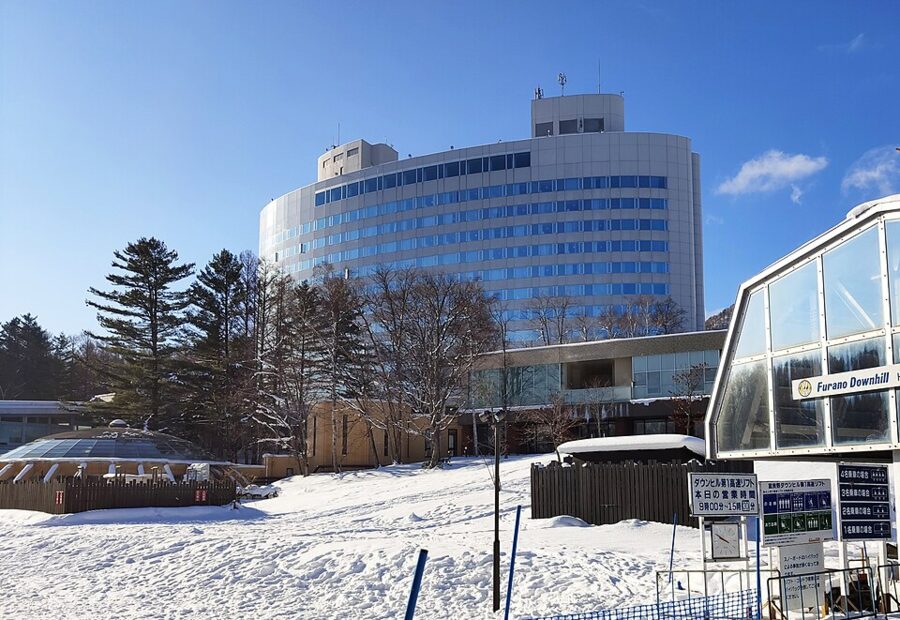
Tomamu is a resort built around tower hotels on a ridge in the hills between Furano and the Tokachi plain, with a JR station of its own on the line from Sapporo. Its snow is as dry as Furano’s. It suits families and anyone who wants everything under one roof; it does not suit anyone looking for a town. The day ticket is ¥9,200, or ¥5,000 in the early weeks (1–20 December 2026) and the last week of the season (29 March to 5 April 2027).

Asahidake
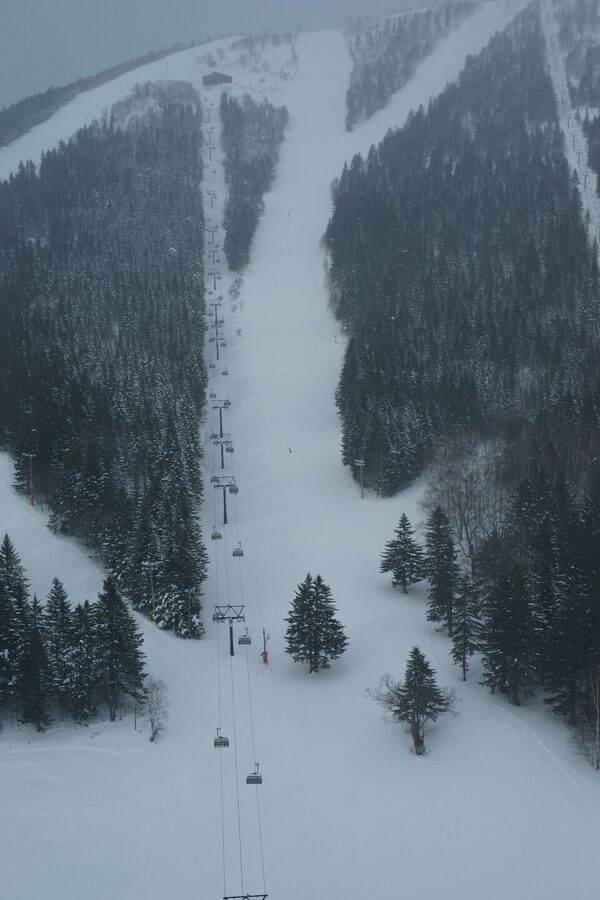
Asahidake (旭岳), at 2,291 m the highest peak in Hokkaido, is not a resort. It is a volcano in Daisetsuzan National Park with a single ropeway up to Sugatami at 1,600 m and a lot of steep, cold, unpatrolled terrain below it. The ropeway closes for maintenance from 16 November to 10 December 2026, and skis are only allowed in the cabin once the Ministry of the Environment, the Kamikawa subprefecture and Higashikawa town have checked on site that the snow covers the creeping pine. Go with a guide or with backcountry experience; this is the coldest powder in Japan and also the most exposed.

Sapporo’s local hills
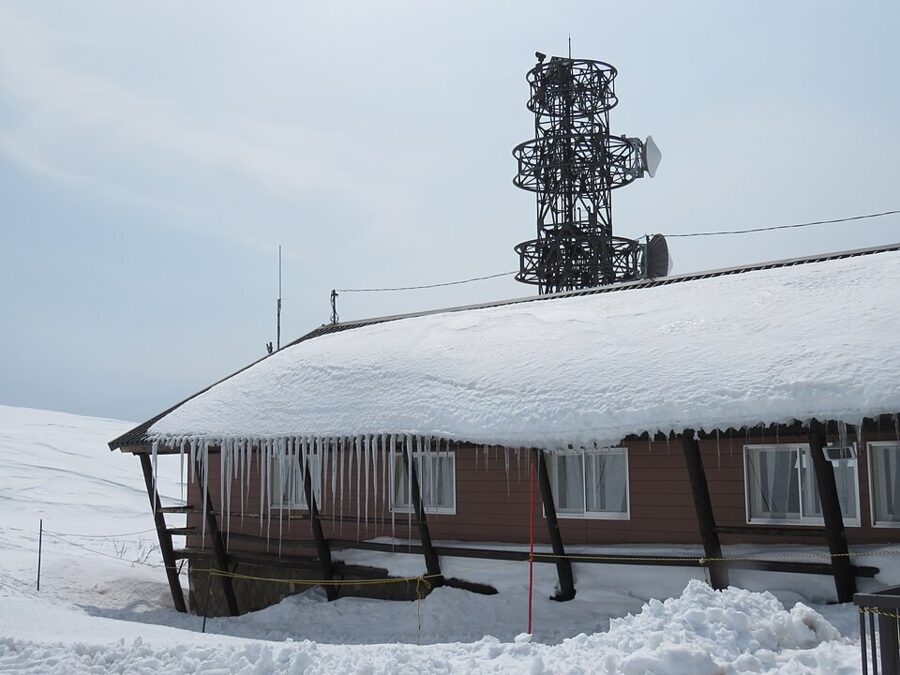
Sapporo is a city of two million with ski areas inside its limits. Sapporo Teine, on Teineyama (手稲山) above the north-west suburbs, was an alpine venue at the 1972 Winter Olympics and opened its Highland zone for the 2026–27 season on 23 November. Sapporo Kokusai, up the valley past Jozankei, opened on 20 November, and Bankei, about 20 minutes from the centre, runs floodlit skiing in the evenings. None of them is a destination for a week, but a day at Teine or Kokusai fits neatly into a Sapporo stay, and the buses are cheap and frequent.

Nagano and Niigata
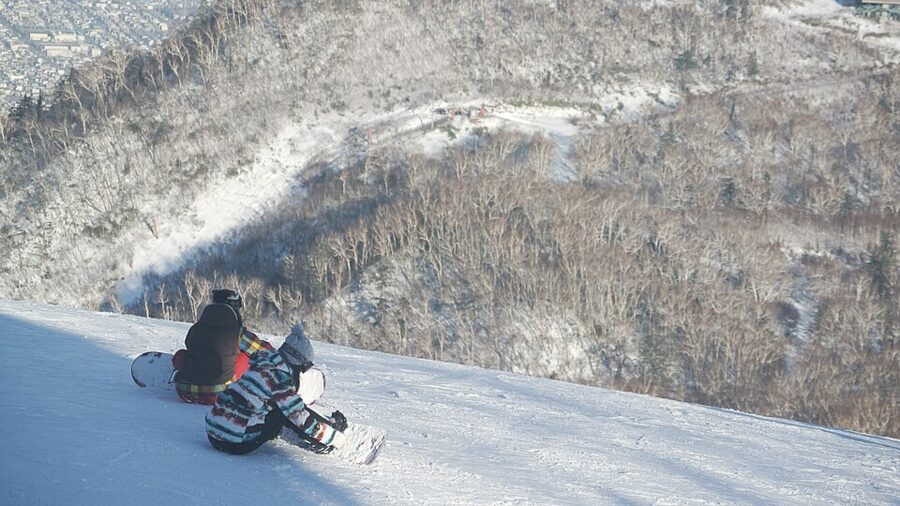
The mountains of northern Nagano and southern Niigata hold most of Honshu’s best skiing, and since the Hokuriku Shinkansen opened they are a morning’s travel from Tokyo. The snow is deeper than most of Hokkaido and noticeably heavier at the bottom. The villages are the draw: hot-spring towns with centuries of history where Hokkaido has resort hotels.
Hakuba
Hakuba is a valley under the Northern Alps with ten ski resorts on one shared Hakuba Valley pass: ¥11,100 for an adult day in 2026–27, valid on the valley shuttle buses and at more than one resort on the same day. It hosted the alpine and Nordic events of the 1998 Nagano Olympics, and the steeps at Happo-One and the alpine terrain above the lifts are the real thing. It also has the most active backcountry scene in Japan and the Japan Alps rising directly behind it.

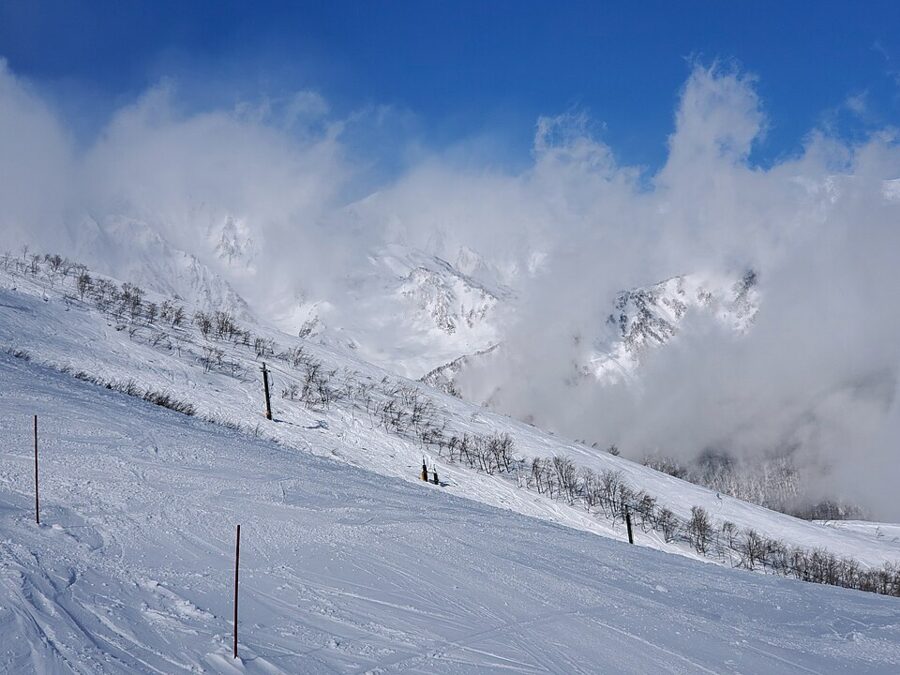

Nozawa Onsen
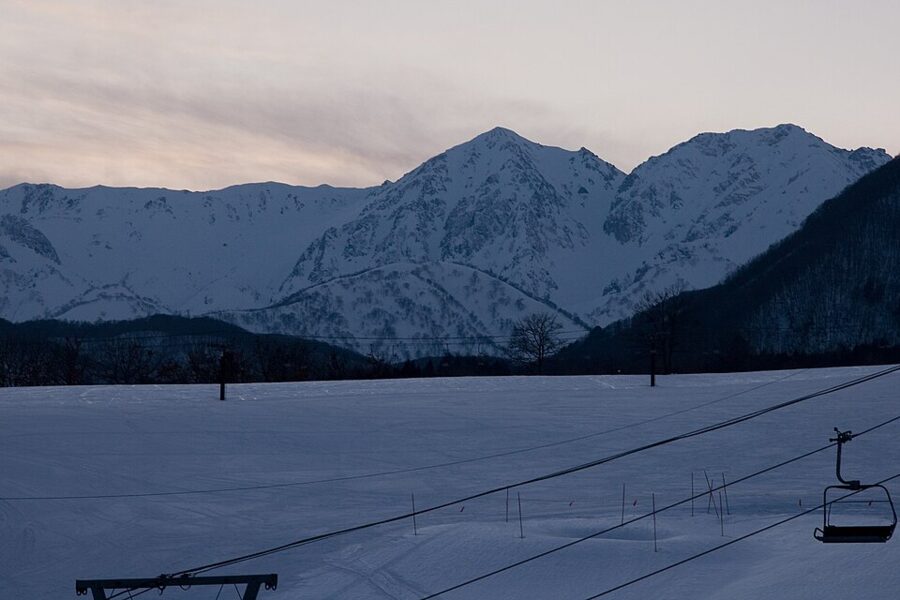
Nozawa Onsen is a hot-spring village where skiing arrived in 1912 and never left. The ski area climbs from the top of the village to the summit of Kenashiyama (毛無山), with a vertical of about 1,085 m and a top-to-bottom run of around 10 km, and the 10-seat Nagasaka gondola takes about eight minutes from the base to the Yamabiko area near the top. A day ticket is ¥7,800 in the regular season (19 December 2026 to 28 March 2027), and a night ticket ¥2,850.
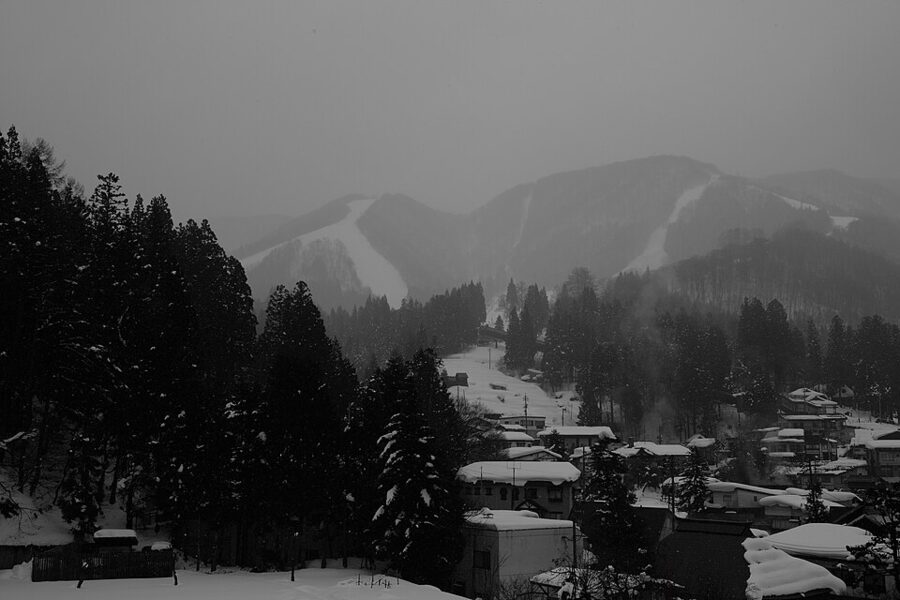

The village is the point. The free public bathhouses (soto-yu, outside baths) are maintained by the villagers, the lanes are steep and icy, and in the evening the skiers mix with Japanese families who have been coming for generations. The fire festival on 15 January is one of the best-known in Japan and fills every room in the village.
Shiga Kogen
Shiga Kogen is the biggest linked ski area in Japan: more than fifteen separate ski areas on a high plateau above Yudanaka, joined by lifts and shuttle buses and sold on one all-mountain ticket at ¥9,500 a day. The multi-day tickets do not have to be used on consecutive days, which is useful when a storm closes the upper lifts. Most of the terrain is intermediate, and the skiing goes higher than at any other big Japanese resort, topping out on Yokoteyama (横手山) above 2,000 m.
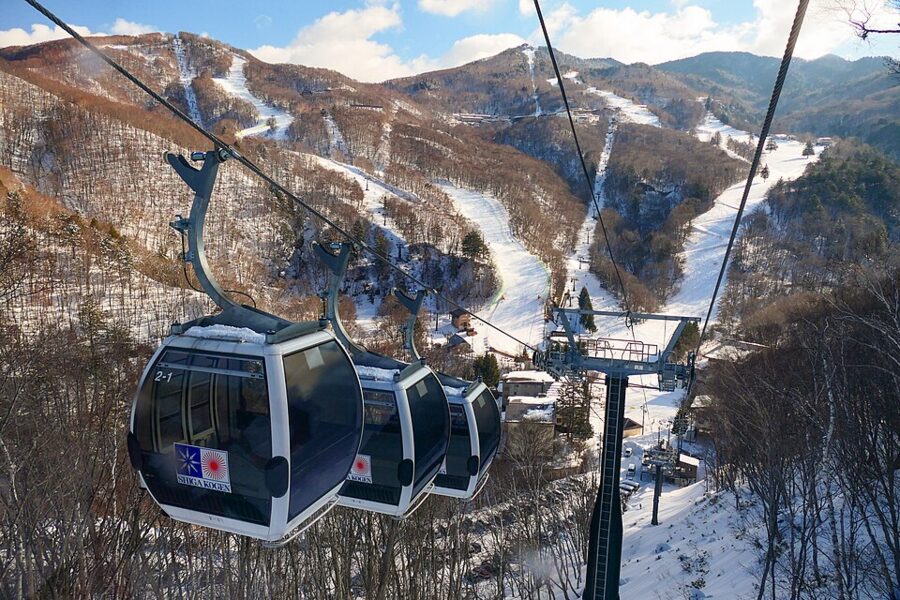

The crowd is mostly Japanese, the hotels are mostly older, and the place empties out on weekdays. If you want long, quiet, groomed days and do not need a nightlife, it is excellent value.
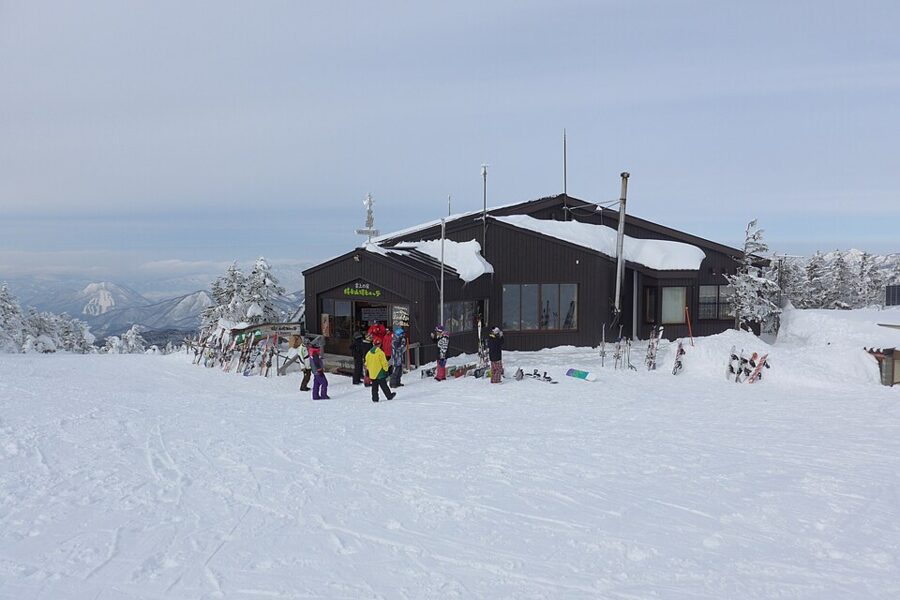

The snow monkeys of Jigokudani are in the valley below Shiga, a short bus ride and a walk from Yudanaka, and most people do them on a rest day.
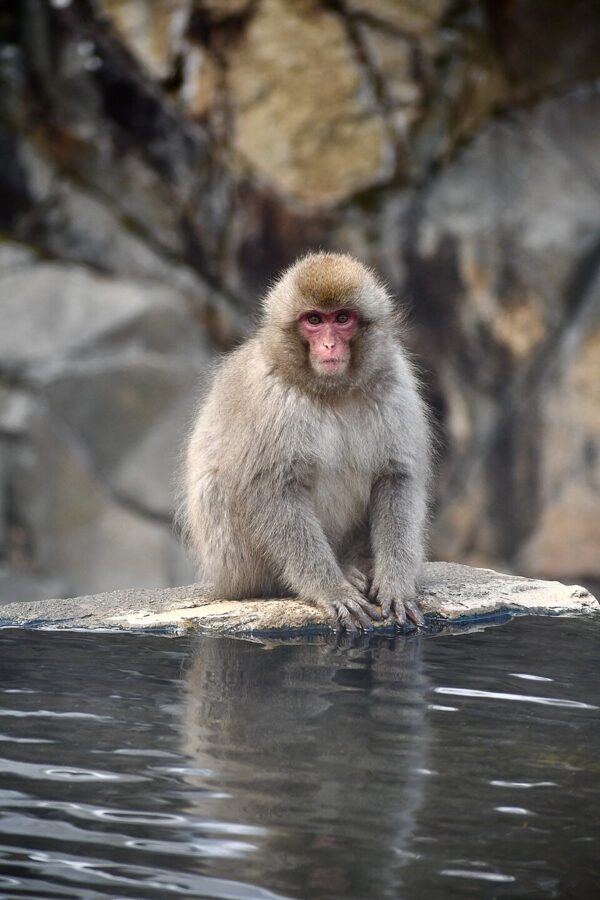

Myoko
Myoko is a cluster of ski areas on the flanks of Mount Myoko (妙高山) just over the border in Niigata: Akakura Onsen, Akakura Kanko and Suginohara are the biggest, with smaller areas around the hot-spring villages of Ikenotaira and Seki. It gets more snow than Hakuba and has fewer people, older hotels and good hot springs. Getting there is easier this winter: a new Nagaden express bus runs from Nagano Station to the ski areas from 5 December 2026 to 31 March 2027 at a flat ¥3,000, and Joetsumyoko Station on the shinkansen is 1 hour 50 minutes from Tokyo on the fastest train.
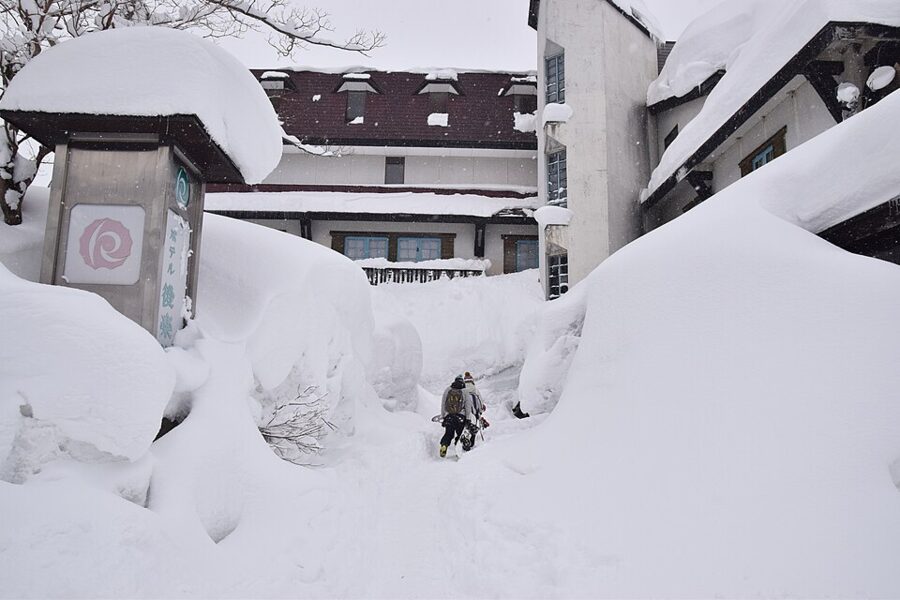

One change to know about: Myoko Suginohara, which has the longest runs in the area, opens from 19 December 2026 to 28 March 2027 with its car park cut from about 1,800 spaces to about 370, all of them paid. Arrive early or arrive by bus.
Madarao
Madarao is a small mountain on the Nagano and Niigata border between Myoko and Nozawa, known for tree runs that are part of the official trail map rather than an afterthought. Its 2026–27 season runs from 12 December 2026 to 28 March 2027, with lifts from 08:30 and floodlit skiing on selected nights. It links to the neighbouring Tangram ski area except in the first and last weeks. Madarao is quiet, cheap and very good on a snowy day; on a sunny one it skis out by lunchtime.
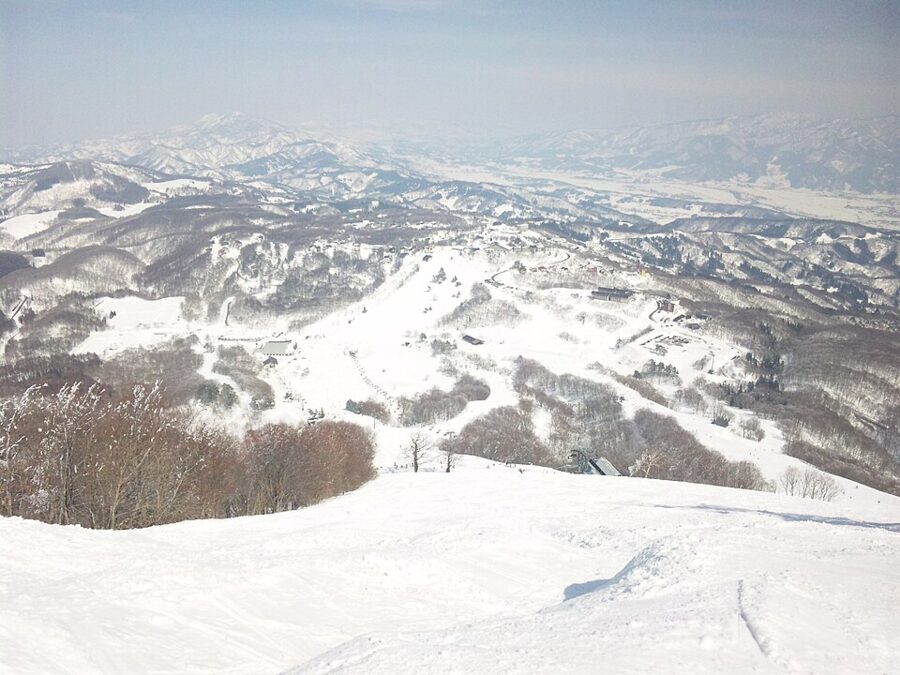

Yuzawa and Gala
Yuzawa in Niigata is Tokyo’s ski town: a cluster of resorts around Echigo-Yuzawa on the Joetsu Shinkansen, the line through the mountains from Tokyo. Gala Yuzawa goes one better. Its own station sits inside the base building, so you can step off a shinkansen and onto a gondola. Skiing at Gala starts on 19 December 2026, and a gondola and lift day ticket is ¥8,000, or ¥7,500 bought online.
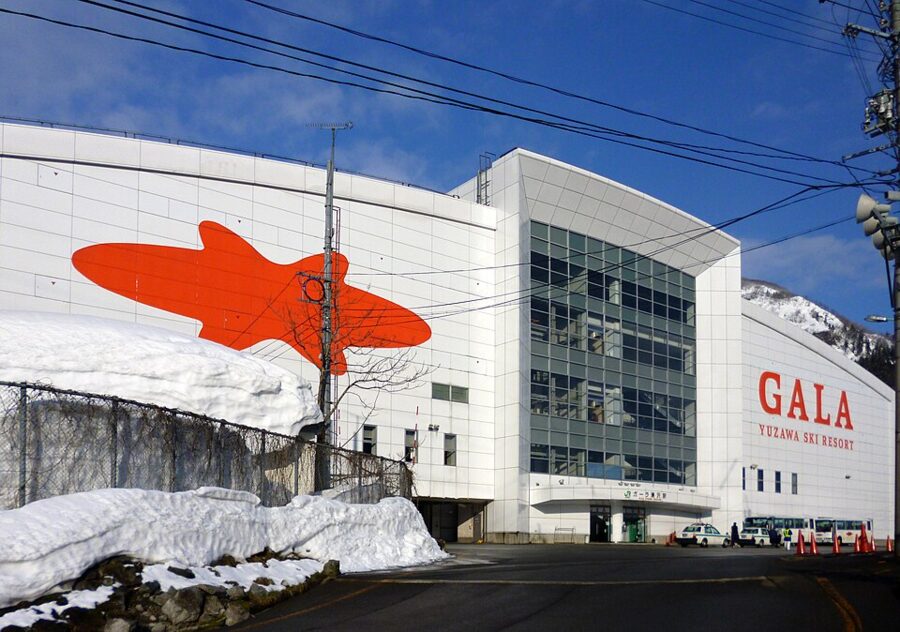
Know what you are getting. Yuzawa’s snow is deep but it falls at temperatures close to freezing, and on a weekend the resorts fill with day-trippers from Tokyo. Gala has also closed its South area for 2026–27, including its ungroomed runs and the ropeway link to Yuzawa Kogen (now a shuttle bus), after years of ground surveys following the 2004 Chuetsu earthquake and with its equipment ageing. What is left is a good, easy day out, not a powder trip.
Tohoku and the rest
Northern Honshu gets the same winter wind as Hokkaido and a fraction of the overseas skiers. The skiing is on big volcanoes, the snow is cold, and the trips are longer: most of these places need a shinkansen and then a bus.
Zao and the snow monsters
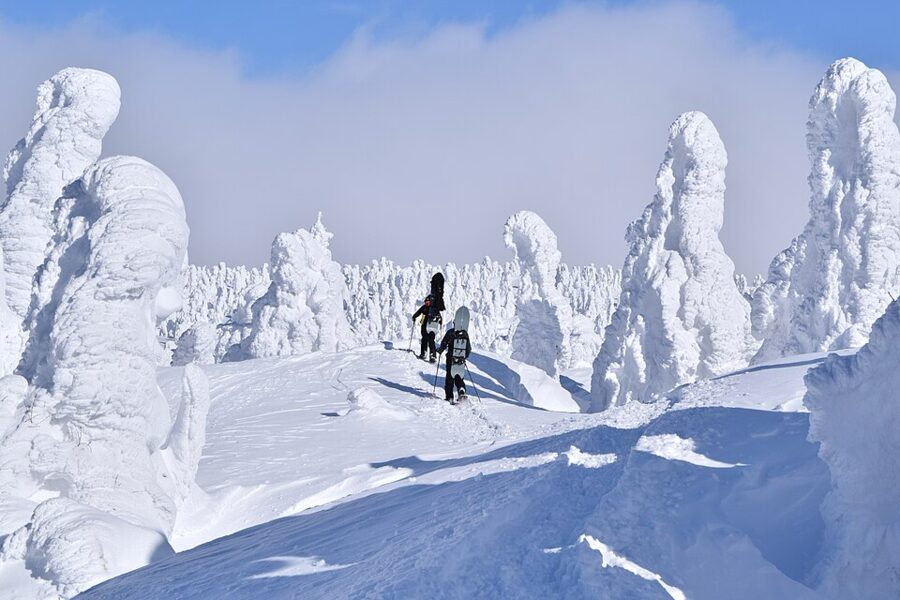
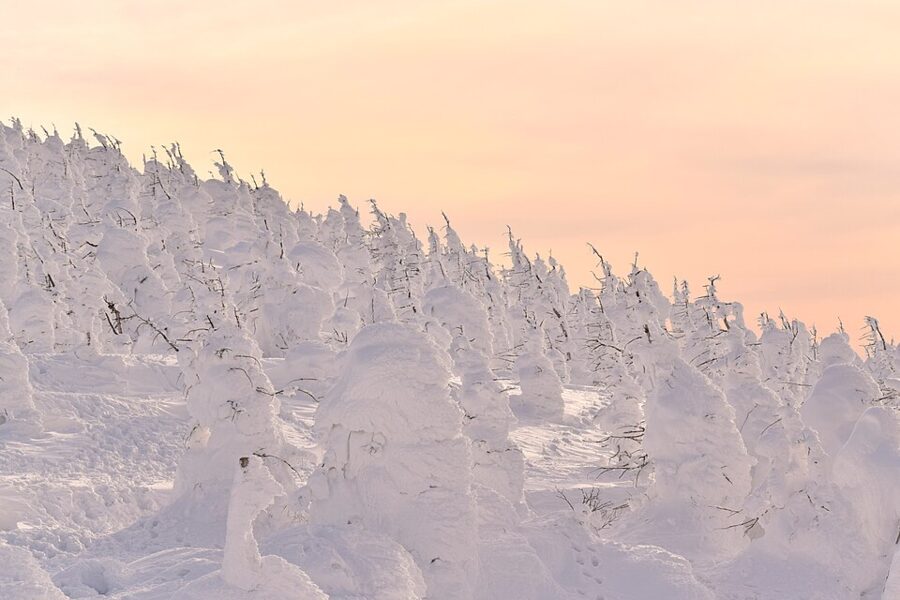
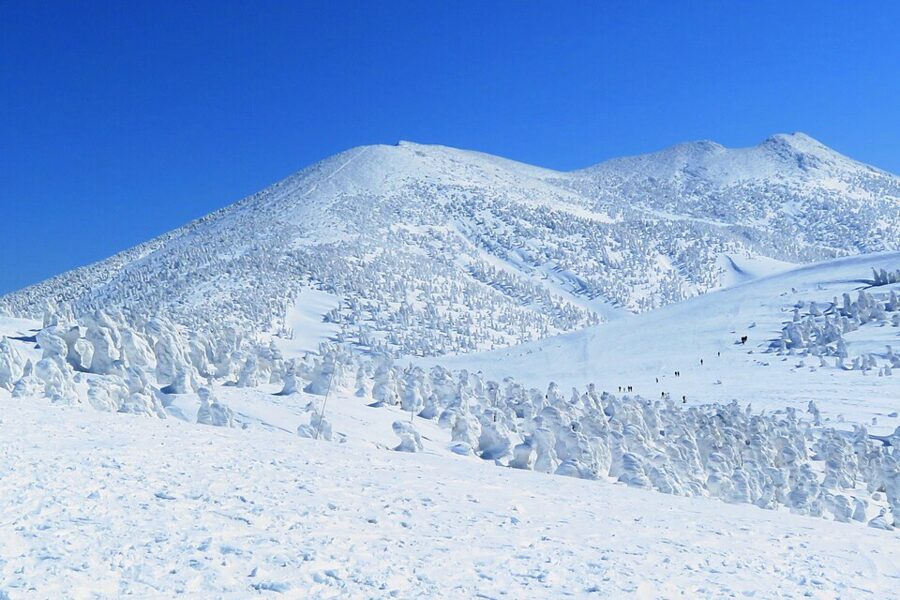
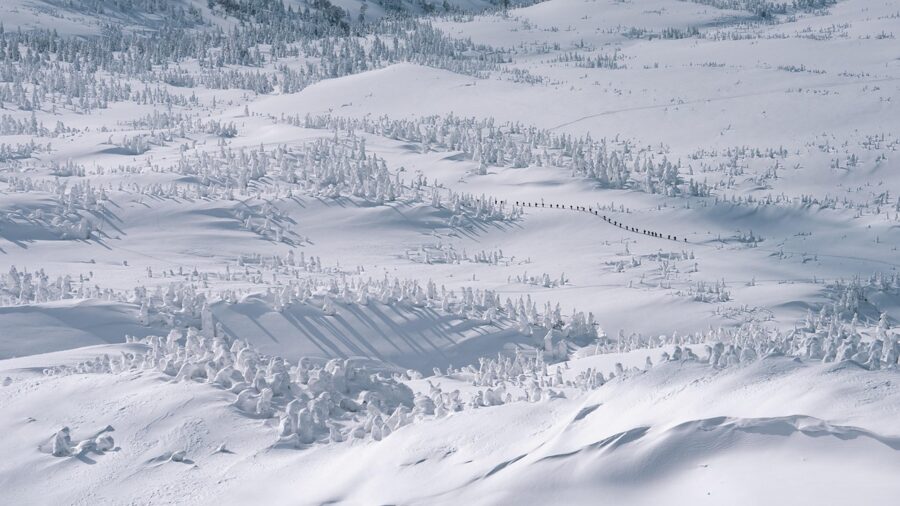
Zao Onsen in Yamagata is a sulphur-smelling hot-spring town at the foot of a ski area that spreads in a fan up the side of the Zao volcano (蔵王山). The Zao Ropeway climbs in two stages from 855 m to Jizo Sancho station at 1,661 m, and from there the Juhyogen run descends through the juhyo (樹氷, rime-covered trees), the snow monsters. They form when supercooled fog freezes onto the firs in hard wind and temperatures below about -5°C, and snow packs into the rime until whole trees disappear.
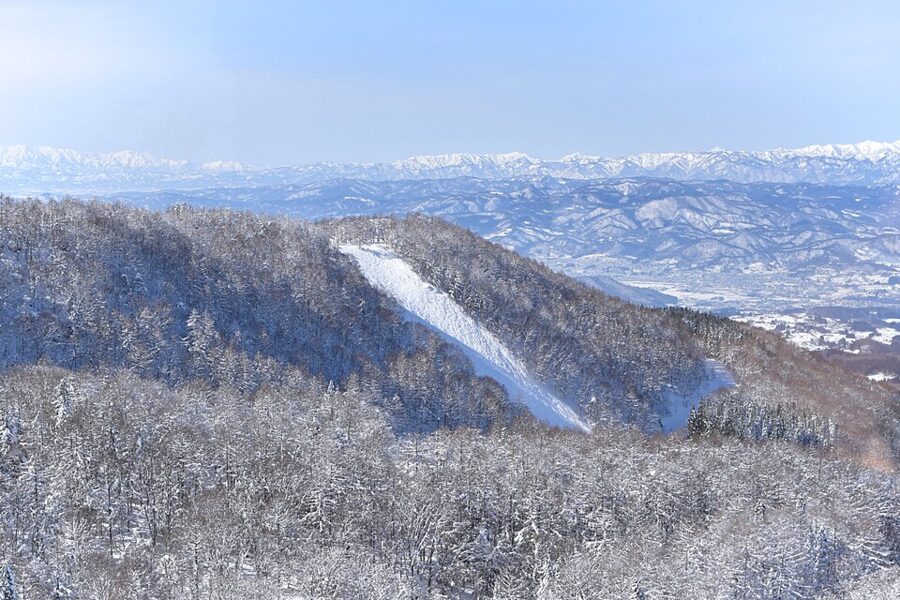

Zao’s all-mountain day ticket is ¥8,000 in the regular season and ¥9,000 in the peak weeks (26 December to 3 January and 30 January to 28 February), and floodlit skiing runs on the Uenodai slope 17:00–21:00 from 25 December to 28 February. The ski area plans to open on 12 December 2026. The monsters are biggest in the coldest weeks of the winter and the summit is often in cloud, so go up on the first clear morning you get, not the day you planned.
Hakkoda
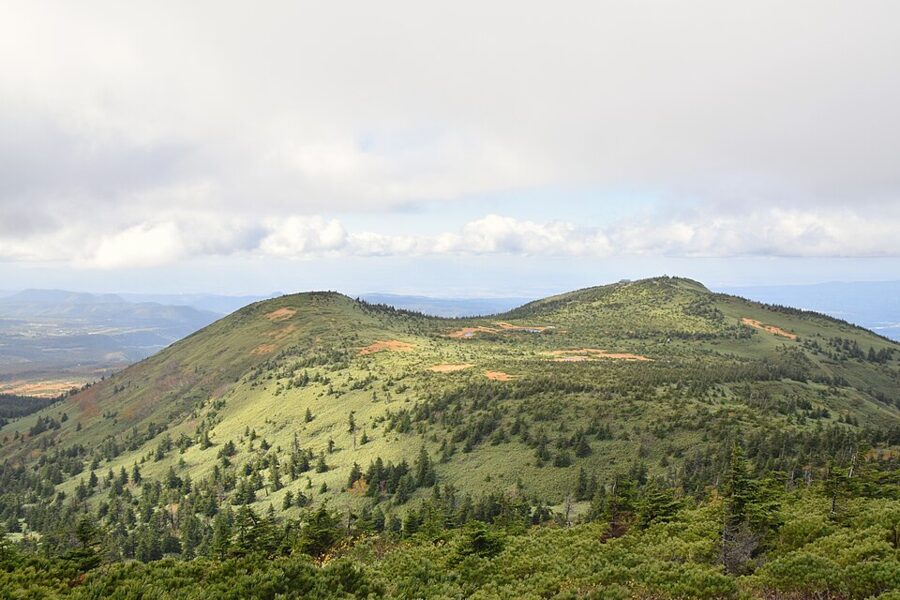
Hakkoda is the hard-core option. There is one 101-seat ropeway, which climbs in about ten minutes to a summit station at 1,324 m on Tamoyachidake (田茂萢岳), and two marked but ungroomed runs back down: the Direct course (3.5 km) and the Forest course (5 km), both for intermediate and better skiers. The rest is backcountry. From early March the tour routes open, including two that run 5 km and 4 km through the trees to Sukayu, and the ropeway company is clear that they are outside the managed area, unpatrolled and not to be skied alone.

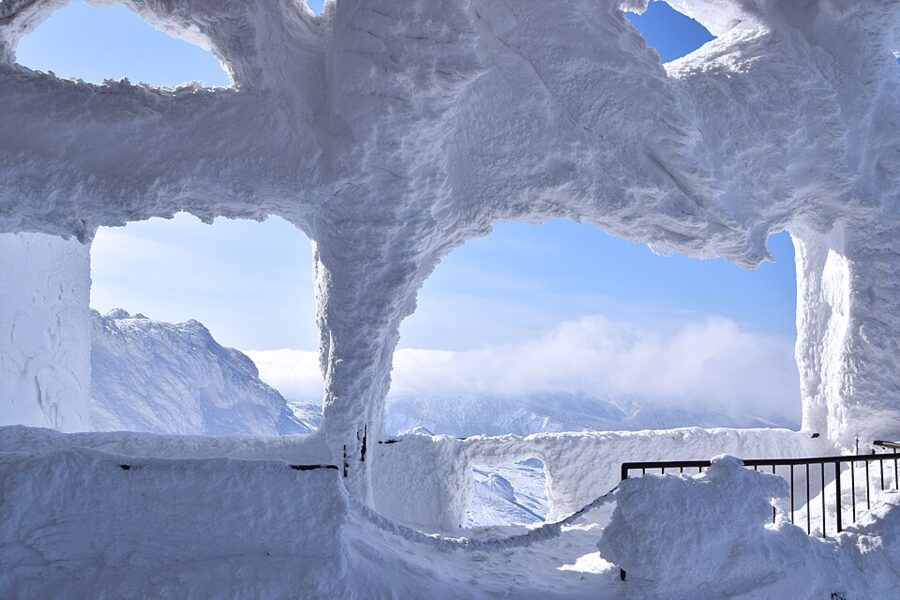

The ropeway fare is ¥1,550 one way or ¥2,500 return for adults from 1 August 2026, and winter hours are 09:00–15:40. There is no rental or ski school at the ropeway; the Hakkoda International ski area by the base station has groomed runs and lessons. The JR bus from Aomori Station takes about 80 minutes in winter for ¥1,290, and the road beyond Sukayu is closed until spring, so this is an out-and-back trip.

Appi
Appi Kogen in Iwate is the opposite of Hakkoda: long, wide, beautifully groomed runs on two mountains, reliable cold snow and almost no queues. The season runs from 5 December 2026 to 5 May 2027, and Appi’s tiered tickets start with the Blue Pass at ¥9,500 a day, valid from 08:30 until the last night lift at 19:30. The Black Pass, limited to 30 a day, adds first tracks and a snowcat for ¥33,500. Children 12 and under who live in Tohoku ski free this season.
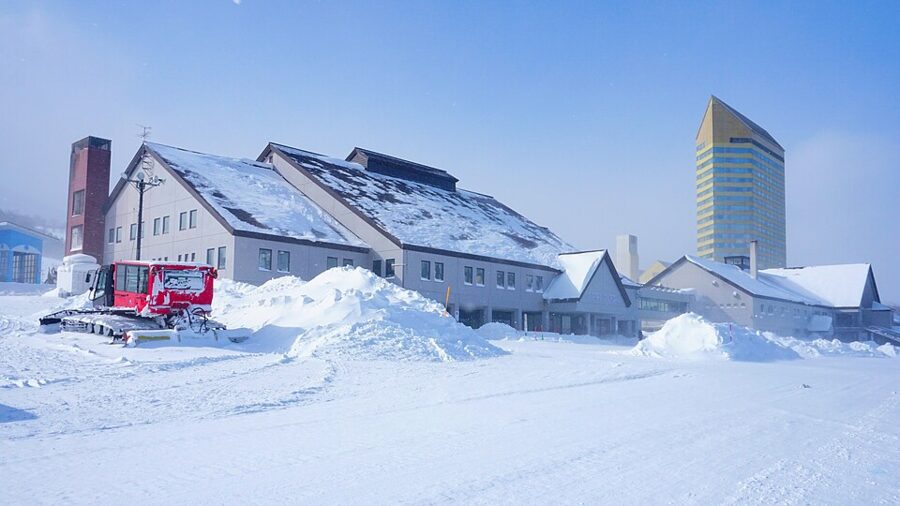

Within reach of Tokyo by shinkansen
From Tokyo Station the fastest shinkansen gets you to Echigo-Yuzawa and Gala on the Joetsu line, to Nagano and Iiyama (for Shiga Kogen, Nozawa and Madarao) on the Hokuriku line, and to Joetsumyoko for Myoko in 1 hour 50 minutes. Hakuba Valley quotes 2 hours 50 minutes from Tokyo by shinkansen and express bus. Zao is a shinkansen to Yamagata and a bus, Appi is a shinkansen to Morioka and a bus, and Hakkoda is the full length of the Tohoku Shinkansen to Shin-Aomori and then a bus. Gala is the only one that works comfortably as a day trip without an early start.
The season, month by month
Japan’s ski season is long, but it is not the same season everywhere. Hokkaido starts earlier and finishes later; Honshu’s lower resorts can struggle in December and are finished by the end of March.
November and early December. The high Hokkaido resorts open first: Niseko, Kiroro, Furano and Rusutsu all plan to start on 28 November 2026, and Sapporo Teine was already turning on 23 November. Early cover is thin and often on part of the mountain only, which is why the early-season tickets are cheap. Most Honshu resorts open in mid-December, Gala and Nozawa on 19 December.
Late December to early January. The base builds fast, but this is the most crowded fortnight of the Japanese year, with schools and companies off from around 28 December to the first days of January. Prices peak and rooms sell out early.
Mid-January to February. Peak powder. Storm cycles come through most often and the snow is coldest, everything is open and the trees are filled in. Niseko’s peak-price window runs from 24 December to 28 February for a reason.
Watch three dates in 2027: the national holidays on 11 January, 11 February and 23 February, and Lunar New Year on 6 February, which brings the biggest wave of visitors from elsewhere in Asia. The Sapporo Snow Festival runs from 4 to 11 February 2027, and Sapporo hotels for that week are gone months ahead.
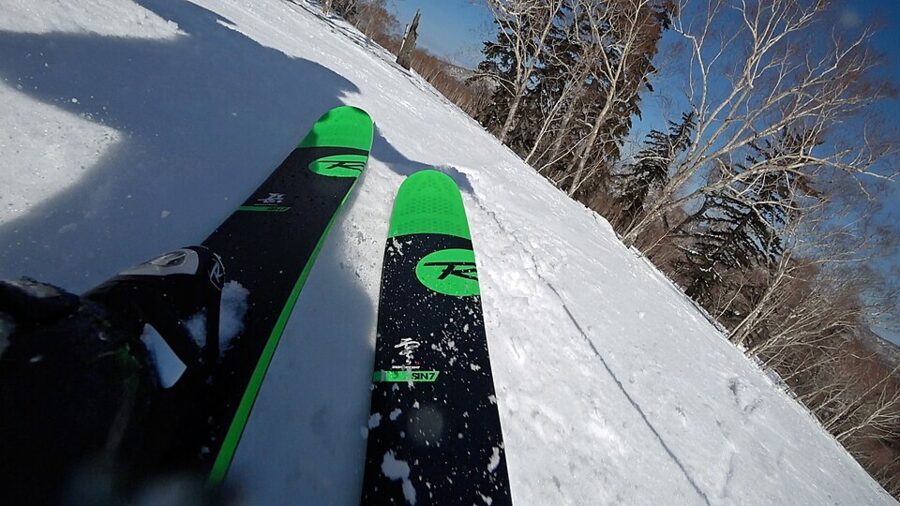

March. The days lengthen, the snow warms, the crowds drop away and the prices fall. Hokkaido still gets real storms in early March; Honshu’s lower slopes turn to slush by afternoon.
The spring equinox holiday falls on 21 March 2027 with the Monday off as well, and the last big domestic weekend follows. Backcountry season starts in earnest as the snowpack settles, and Hakkoda’s tour routes open.
April and May. Spring skiing on the high resorts: Niseko’s Grand Hirafu and Annupuri, Furano, Kiroro, Appi and Gala run into early May, Zao’s upper slopes to 5 May at most. Snow is corn in the morning and slush by mid-afternoon, and the lifts close progressively from the bottom.
North against south, then, comes down to this. For January and February powder, both islands are excellent and Hokkaido is more reliable. For a December trip, Hokkaido. For March and April, Hokkaido and the high Honshu resorts, Shiga Kogen above all.
How a ski trip works
Lift passes
Japanese day tickets were cheap for decades, typically ¥4,000–6,000, and the big resorts have caught up fast. This winter’s adult day prices from the resorts’ own pages run from ¥7,800 at Nozawa Onsen and ¥8,000 at Zao and Gala, through ¥9,000–9,500 at Furano, Kiroro, Tomamu, Shiga Kogen and Appi, to ¥11,100 for the Hakuba Valley pass, ¥13,500 for Niseko in peak season and ¥16,700 at the Rusutsu window. Almost every resort sells cheaper tickets online, and many charge a refundable ¥500 deposit on the IC card the ticket loads onto.
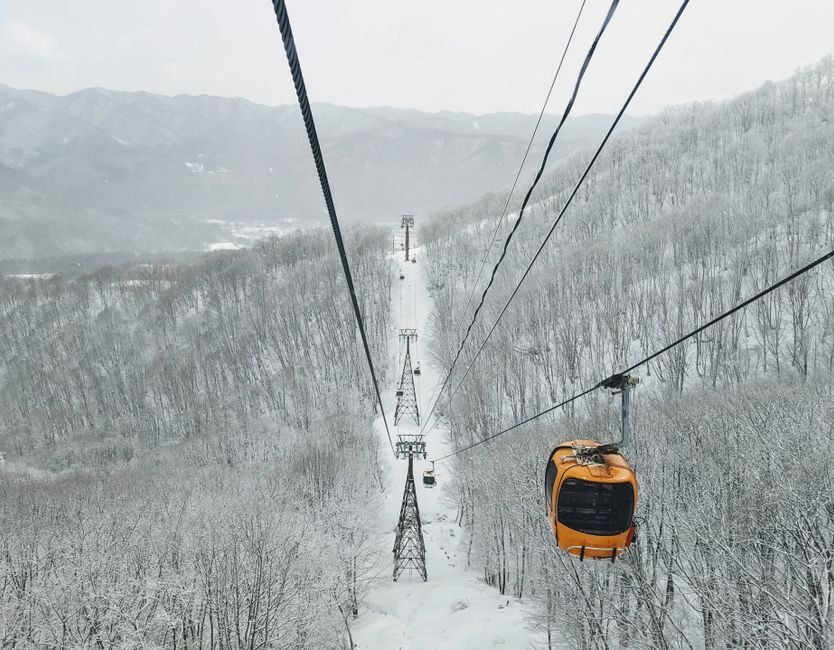
The multi-resort passes are the best value for a week. Niseko’s All Mountain Pass covers all four Niseko resorts; Hakuba’s covers ten; Shiga Kogen’s covers the whole plateau. Read the small print on multi-day tickets: Niseko’s must be used on consecutive days, Hakuba’s 5-day pass is valid over 10 days, and Shiga’s can be used on any days in the season. The global passes have arrived too, with Niseko on the Ikon Pass and Mountain Collective, Furano and Shiga Kogen on Ikon, and Hakuba Valley and Rusutsu on Epic.
Night skiing
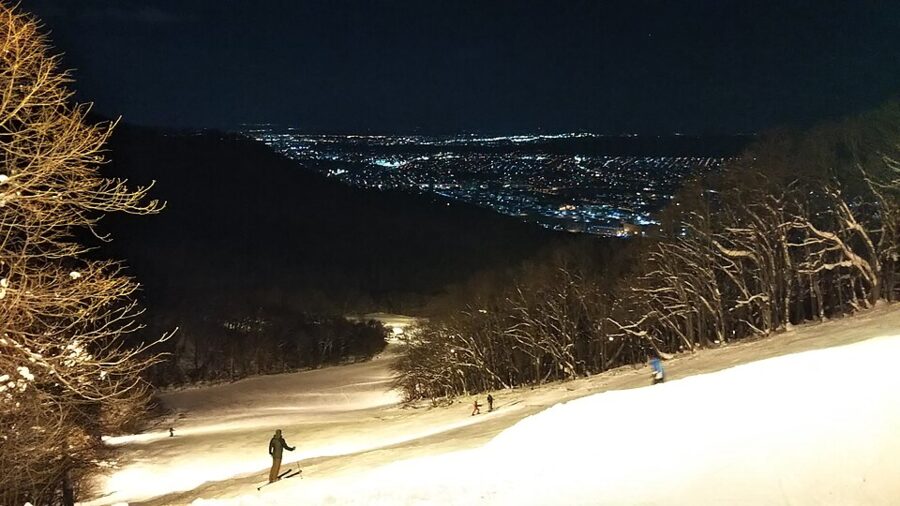
Floodlit skiing (naita, from the English “nighter”) is a Japanese institution, and on a snowy night with no wind it is the best skiing of the day. Niseko runs it from 12 December to 22 March, Rusutsu until 20:00, Appi until the last lift at 19:30, Zao’s Uenodai slope until 21:00, and the Sapporo city hills are built around it. Night tickets are cheap: ¥2,850 at Nozawa, ¥3,000 at Zao, ¥4,000 at Rusutsu.

Rental, schools and guides
Every resort named here rents skis, boards, boots and clothing, and the international resorts carry Western sizes. Large boots still run out in the peak weeks, so book them with the skis or bring your own.
Lessons in English are easiest to find in Niseko and Hakuba. Kiroro runs its own international ski school, and the resort schools at Rusutsu and Nozawa Onsen run guided trips beyond the groomed runs: mountain guiding at Rusutsu, backcountry tours at Nozawa. Book lessons before you fly for the New Year and February weeks, because the English-speaking instructors are the first to go.
Onsen
Most Japanese ski towns are hot-spring towns, and the bath at the end of the day is half the trip. Wash thoroughly at the taps before you get in, leave the towel out of the water, and check the tattoo rules before you go, because they still vary from bath to bath. Nozawa’s free soto-yu, Zao’s sulphur baths and the huge wooden bathhouse at Sukayu are each reason enough to choose their resort.
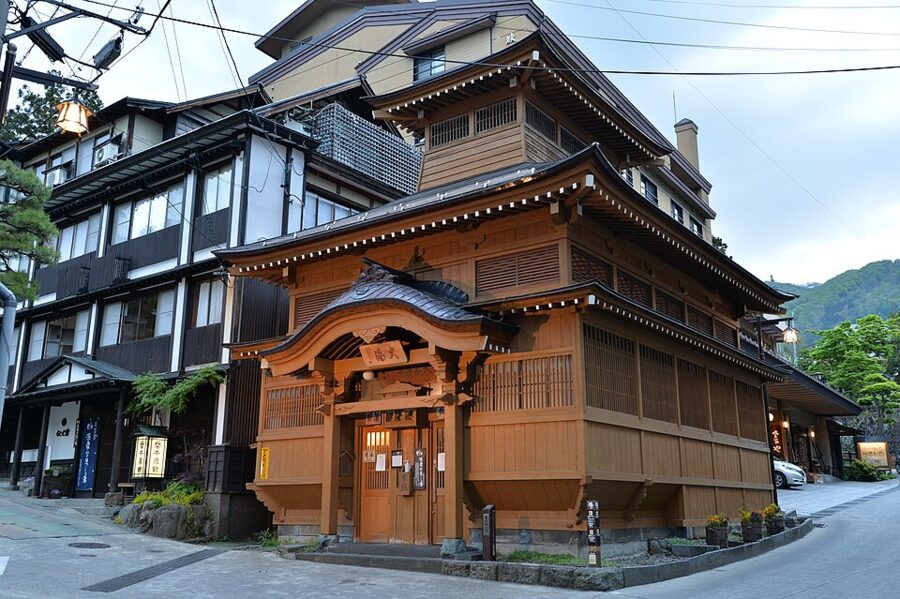

Food and lodging
You can sleep in Western-style condos and hotels at the international resorts, in a ryokan (traditional inn, with dinner and breakfast included) or a minshuku (a family-run version, simpler and cheaper) in the hot-spring towns, or in the pensions and lodges that grew up in the 1980s ski boom. Prices swing hard by week: a slopeside apartment in Hirafu in early February can cost several times the same room in late March. The cheapest food on the mountain is the lodge canteen, all curry rice and ramen, and it is better than it sounds after a cold morning.
Getting there
Hokkaido
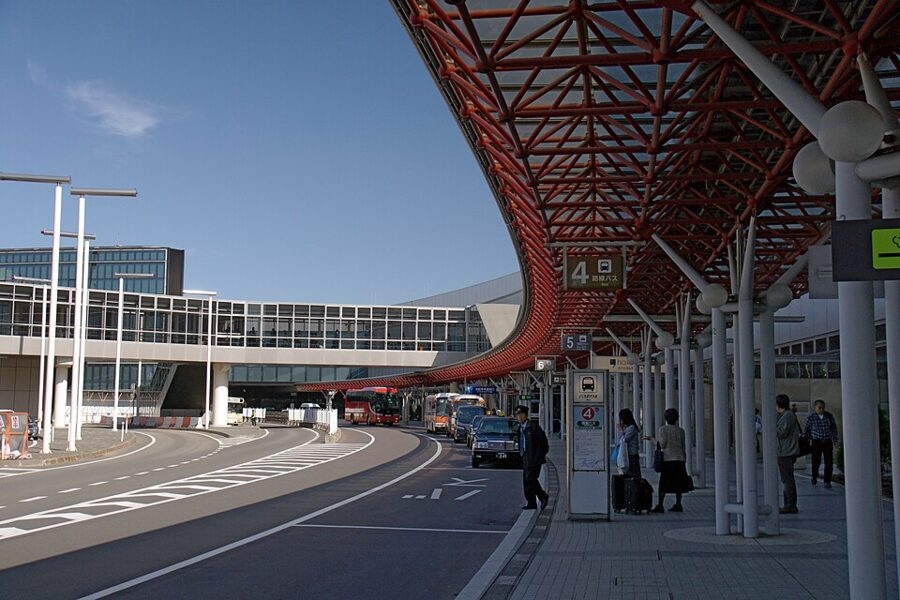
Fly to New Chitose Airport, which has direct flights from much of East Asia and connections from everywhere else through Tokyo. From the airport, the resorts are a road transfer: Rusutsu’s own Big Runs bus takes 120 minutes for ¥5,000 booked online at least seven days ahead (¥5,500 otherwise), and reservations are compulsory. Niseko is further along the same roads, and Kiroro has buses from Sapporo and Otaru. Furano and Tomamu are on the railway, Tomamu with its own station.

Nagano and Niigata
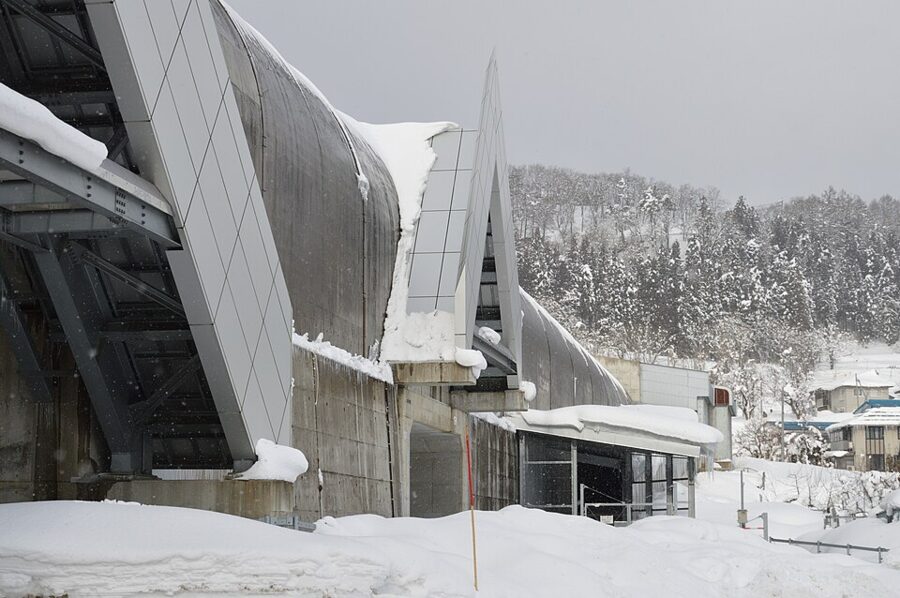
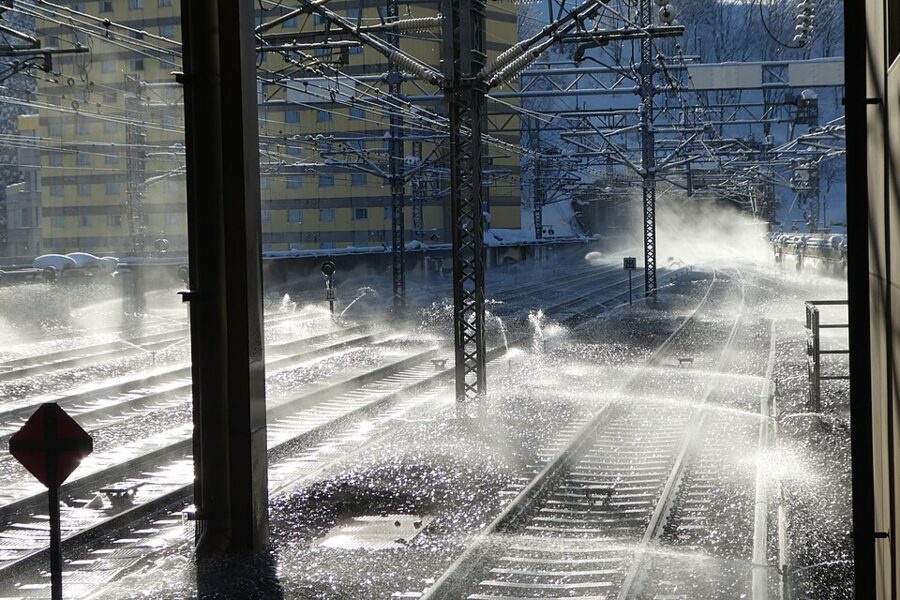
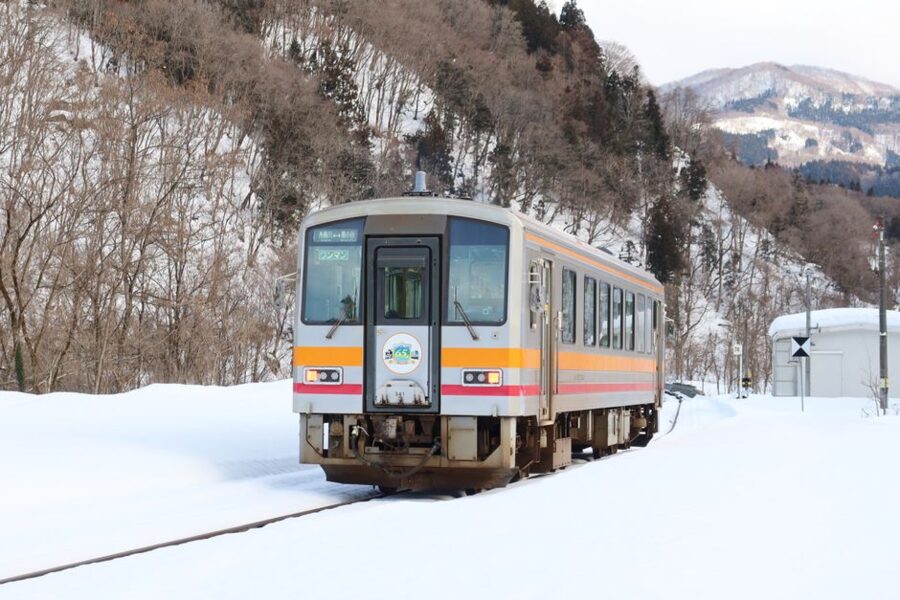
Take the Hokuriku Shinkansen from Tokyo to Nagano for Hakuba and Shiga Kogen, or one stop further to Iiyama for Nozawa Onsen and Madarao. At Iiyama the Nozawa Onsen Liner bus meets the trains: ¥600, about 25 minutes, ten departures a day in winter, the last at 21:20, and no reservation needed. For Myoko, use Joetsumyoko on the same line or the new express bus from Nagano. For Yuzawa and Gala, take the Joetsu Shinkansen.


Luggage
Do not drag a ski bag onto a shinkansen in the February rush. Send it ahead by takkyubin (宅急便, door-to-door parcel delivery). Yamato’s ski delivery service takes a bag up to 30 kg to your lodging; send it two days before you ski (three for some areas), and book the return at the same time for ¥100 off each item. Ski bags cannot go from convenience stores, so use a Yamato office or the airport counter.
Driving in snow
Driving gives you the quiet resorts, but the roads in snow country are a different job. Rental cars in snow country come on winter tyres; ask for a four-wheel drive and expect chain controls on mountain highways in heavy snow. Fill up when you can in the Hokkaido interior, where fuel stations are far apart and some close early. Parking is not always free any more: Myoko Suginohara now charges every day, and space there is down to about 370 cars.
Off-piste and backcountry
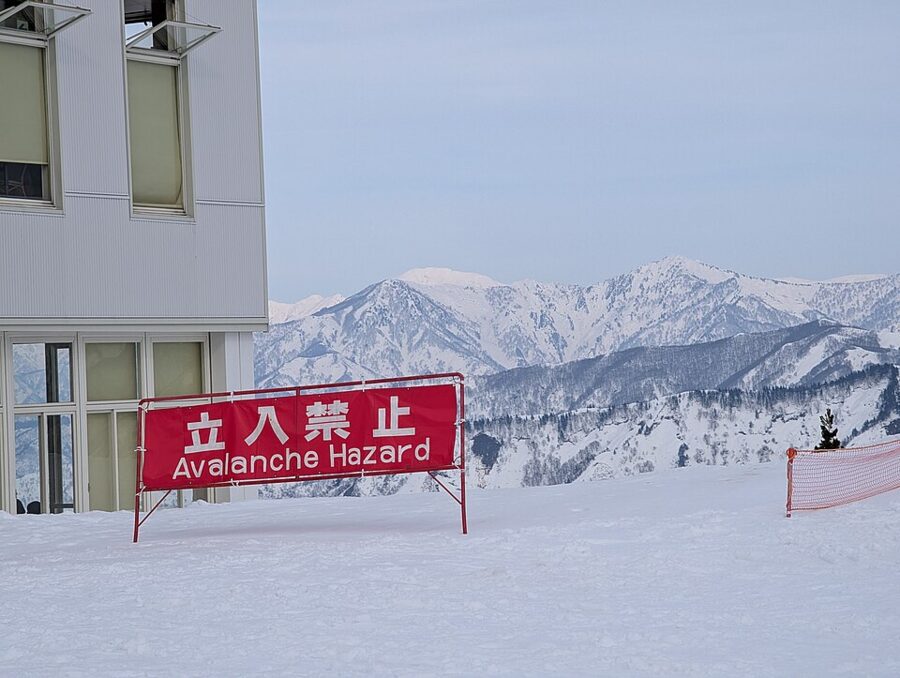
Here is the part where people die. Japan’s powder is deep, light and often lies on steep slopes with no anchor beneath it, and the trees that make it so good also hide tree wells deep enough to drown a skier upside down. Japanese ski areas draw a hard line between three things: the groomed and marked runs, closed areas inside the ski area (often marked 立入禁止, no entry) that you must never enter, and the backcountry outside the boundary, which you may enter at your own risk where the resort allows it.
The model for the rest of Japan is the Niseko Rules, introduced in the early 2000s after years in which Niseko had the most avalanche deaths of any ski area in Japan. Go through the gates; never duck a rope; carry a beacon and wear a helmet; stay out when the gates are closed; keep out of the permanently closed areas; and expect a bill of at least ¥100,000 if you need rescuing outside the boundary, and to lose your lift pass if you break the rules. Every morning of the season the Niseko Avalanche Information is posted in Japanese and English, naming the slopes to avoid that day; the valleys of Haru-no-taki, Yunosawa and Anbetsu are closed for the whole winter.
Other areas have followed with their own versions. Nozawa Onsen village passed a ski area safety ordinance in 2010 that charges search costs to anyone rescued outside the designated runs, and its two backcountry access points are doors in the boundary at the top of the Yamabiko lift, which you close behind you. Hakkoda has had its own local rules since the 2018–19 season, with search and rescue costs charged for accidents outside the managed area. In Hakuba the boundary is marked by poles with yellow-and-black tops, and the valley’s safety guidelines put it plainly: knowing where the boundary is is your job, not the patrol’s.
Check the avalanche bulletin every morning, not just the snow report. Outside Niseko, the Japan Avalanche Network publishes daily bulletins for Hakuba, Myoko, Kagura-Tanigawa-Hotaka, Daisetsu-Tokachi, Niseko-Yotei-Yoichi-Shiribetsu and Tateyama, and runs avalanche courses through the winter. File a climbing notification (登山届) before you leave the boundary, online or on paper at the patrol hut where the resort takes them, as Nozawa’s does; it does not give you permission to go, but it is how the search starts if you do not come back. And go with a guide the first time, because local knowledge of which gully slides in which wind is not something a weekend teaches.
Late in the season, when the backcountry is at its most tempting, the bears are waking up in the same forests.
Choosing where to go
For powder. Niseko, Rusutsu and Kiroro for volume, Furano and Tomamu for the driest snow, Asahidake and Hakkoda if you can handle real backcountry. On Honshu, Myoko, Madarao and Nozawa on a storm week. Go in mid-January to mid-February and stay at least a week so the storms have time to find you.
For families. Rusutsu, Tomamu, Furano and Appi: big groomed runs, ski-in hotels, children’s areas and lessons in English at most of them. Prince Hotels resorts such as Furano let primary-age children ride free.
For beginners. Furano, Appi and Shiga Kogen have long, gentle, uncrowded runs. Gala and the Yuzawa resorts are the easiest to reach and fine for a first day, though busy at weekends.
For nightlife. Niseko’s Hirafu village, then Hakuba’s Echoland and Happo areas. Nozawa Onsen has bars and a lively evening without the late-night noise.
For a quiet week. Shiga Kogen on weekdays, Madarao, Myoko, Appi, or Zao after the school trips have gone home.
Which brings it back to the gate at the top of Hirafu. You now know why the snow beyond it is so light, which week it is deepest, what the bulletin said this morning and what it costs if you get it wrong. If the patrol has opened it and you have a beacon, a partner and a plan for the way out, go through. If not, the groomers are excellent, and tomorrow there will be another metre.