

The path down from Rausudake towards Iwaobetsu Onsen narrows at a bend where you cannot see what is round the corner. At about 11:00 on 14 August 2025 a 26-year-old hiker from Tokyo came round that bend alone and fast, running ahead of his partner, and met a mother brown bear with two cubs. He had a bear bell but no spray.
The Hokkaido government’s accident report lists those facts flatly, and every one of them is a decision you will face on a Japanese trail.
That summer was the start of the worst bear year Japan has recorded. In the fiscal year from April 2025 to March 2026, bears injured 238 people in 216 incidents and killed 13, more than double the previous high in the Ministry of the Environment’s records. Sightings outside Hokkaido passed 50,000. Bears turned up in a bank car park, at an onsen’s outdoor bath and in a park in Sapporo, and from September towns could order them shot in the street.
None of that means you should stay off Japan’s mountains. Most of the people hurt were foraging, working in woodland or at home on the edge of a village. The hikers who get hurt tend to be alone, quiet, fast, out at dawn or dusk, or at a blind spot by a stream. Change those habits and the odds shift a long way in your favour.

Contents8 sections
Two bears, two sets of islands
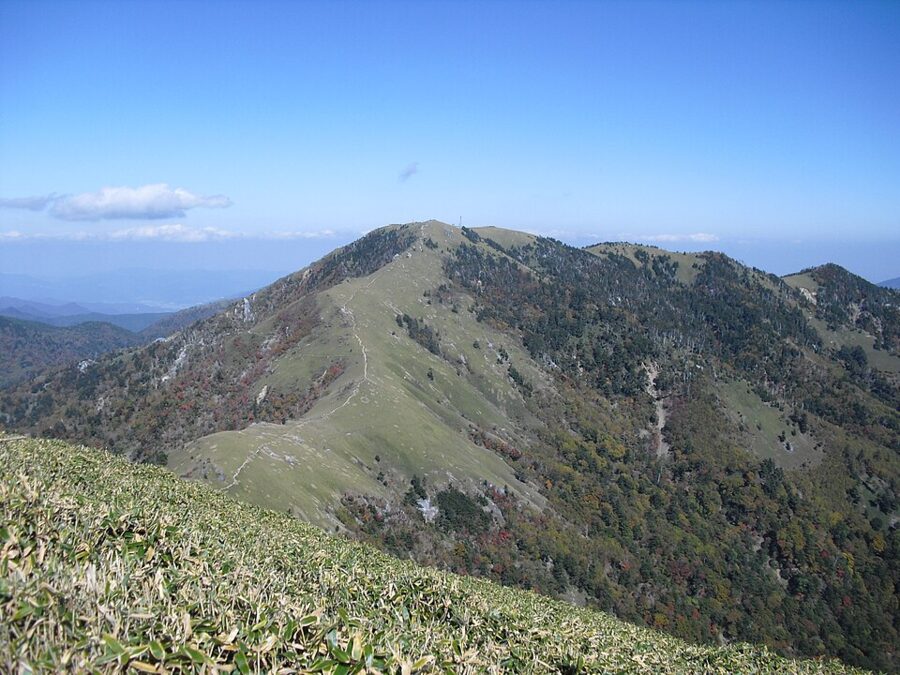
Japan has two species, and the strait between Honshu and Hokkaido divides them cleanly. South of it lives the Asian black bear, tsukinowaguma (ツキノワグマ), the “moon-ring bear”, named for the pale crescent on its chest. North of it, on Hokkaido only, lives the brown bear, higuma (ヒグマ), the same species as the grizzly.
The Asian black bear: Honshu and Shikoku
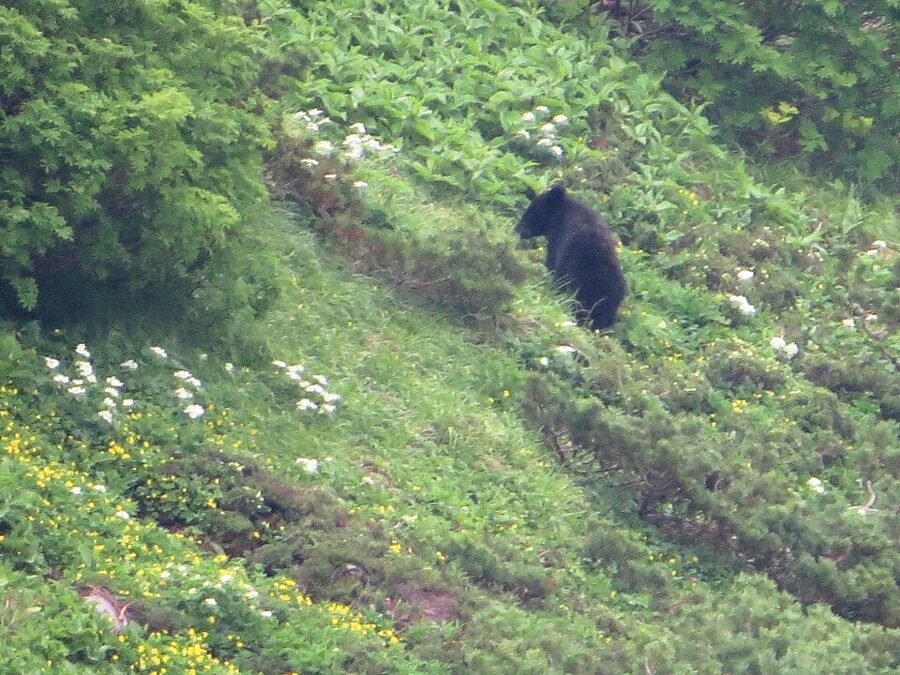
The black bear lives across Honshu except Chiba Prefecture. Adults measure about 120–140 cm from nose to rump; males commonly weigh 60–120 kg and females less, so a big male is heavier than you. It is a forest animal, though bears have been recorded above 3,000 m in the Japan Alps.
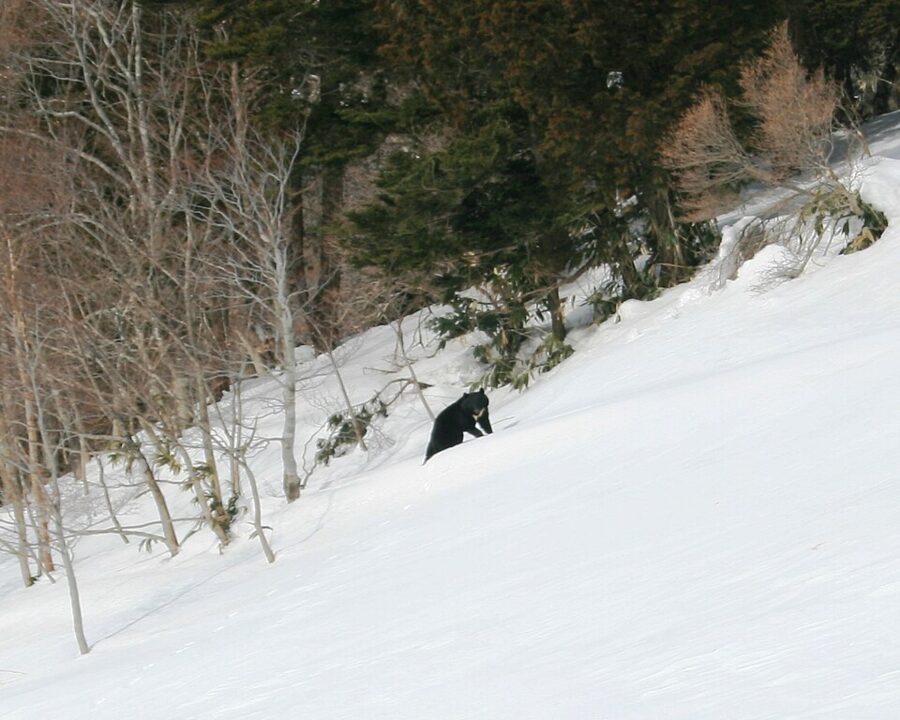

In spring it eats grasses, shoots and buds; in summer berries and insects such as ants; in autumn it gorges on beech nuts and acorns to fatten for winter. Hibernation runs roughly December to February. Nobody knows how many there are: a 2011 tally of prefectural estimates gave 13,000–21,000, officials now quote about 42,000, and a new national survey began in 2026.
Two islands are the exceptions. Kyushu’s bears are gone, and the population there is treated as extinct; the last confirmed sighting dates from 1987. Shikoku keeps a tiny population in the mountains around Tsurugisan in Tokushima and Kochi, put at fewer than 30 animals by researchers’ counts. Walkers in Kyushu can relax.
The brown bear: Hokkaido
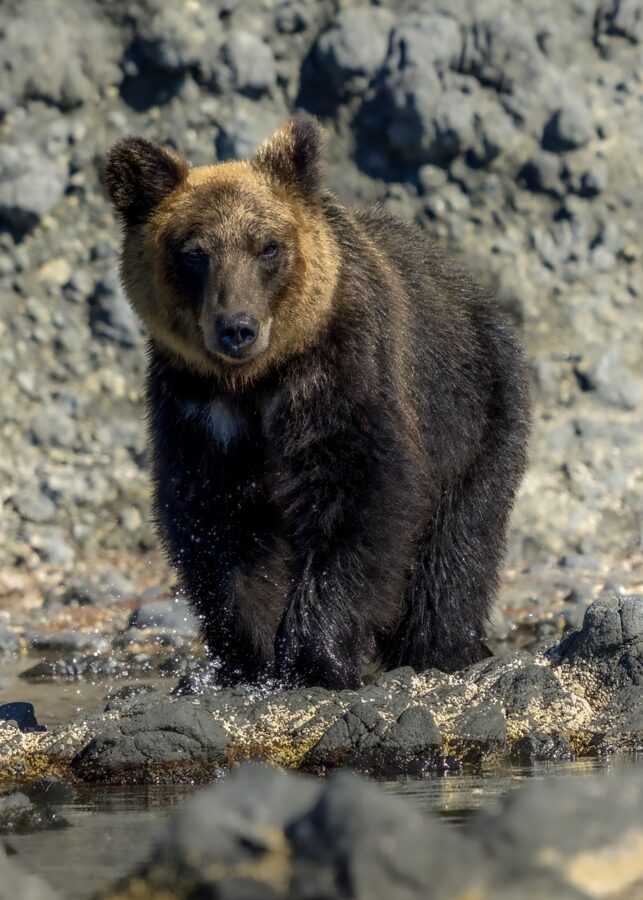
Hokkaido’s brown bear is the bigger and more powerful animal. The Shiretoko Nature Foundation records bears there of more than 400 kg, and one old male it tracked weighed 255 kg at 165 cm long when trapped in 2008. Estimates put Hokkaido’s population at around 12,000. Coats run from black to reddish brown, and some carry a pale chest mark, so colour alone will not tell you the species.
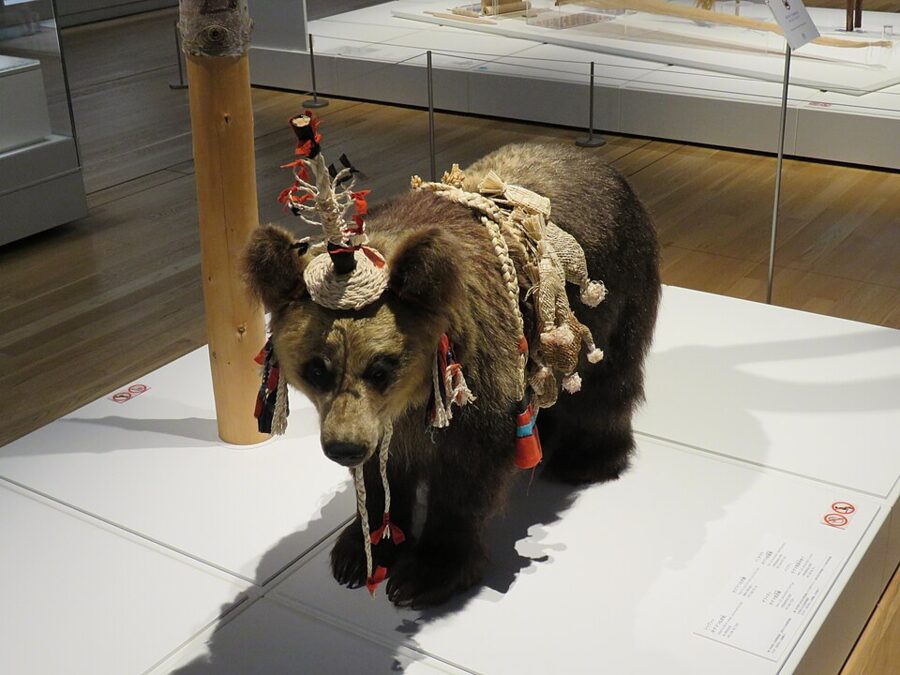

Home ranges are enormous. The Ministry of the Environment gives females a range of a few to a few dozen square kilometres and males from several dozen to more than 1,000. They wake in March or April, eat winter-killed deer and fresh shoots, move to ants and berries in summer, then salmon, acorns and wild grapes in autumn before denning around December.
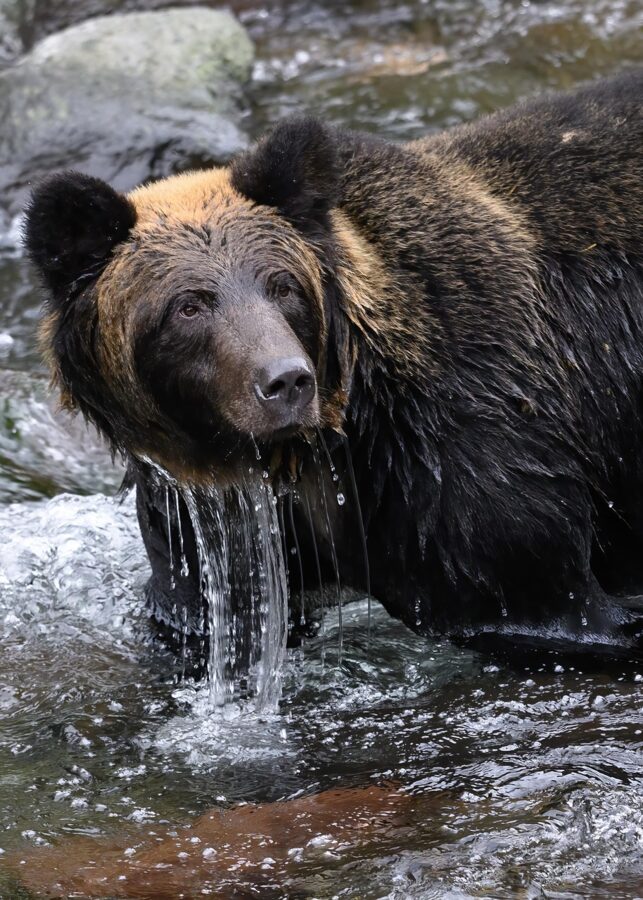
That summer diet matters on the trail: in Shiretoko, bears fix on ant nests along road verges and path edges, exactly where you walk.
The surge, in numbers
The table uses the Ministry of the Environment’s running count of bear injuries, updated on 10 November 2026, by fiscal year (April to March); 2026 runs only to the end of October, and all figures are preliminary.
| Fiscal year | Incidents | People hurt | Deaths |
|---|---|---|---|
| 2019 (April 2019–March 2020) | 140 | 157 | 1 |
| 2020 | 143 | 158 | 2 |
| 2021 | 80 | 88 | 5 |
| 2022 | 71 | 75 | 2 |
| 2023 | 198 | 219 | 6 |
| 2024 | 82 | 85 | 3 |
| 2025 | 216 | 238 | 13 |
| 2026 (to 31 October) | 72 | 76 | 6 |
The pattern is a saw blade, not a ramp: bad years arrive when the autumn nut crop fails across northern Japan. What has changed is the height of the teeth. Black bears caused 232 of the 238 injuries in 2025 and 11 of the deaths; brown bears hurt six and killed two.
Sightings tell the same story. The ministry’s sighting reports reached 50,801 in fiscal 2025 for the prefectures outside Hokkaido, against 24,348 in 2023 and 20,513 in 2024. Akita alone logged 13,592 and Iwate 9,739. October 2025 produced 15,998 reports in a single month.
The response was a cull on a scale Japan had never attempted. Permit captures reached 14,741 bears in fiscal 2025, almost all of them killed, according to the ministry’s capture figures, up from 9,271 in 2023. Conservation groups warn of local extinctions if that rate continues.
Why it happened
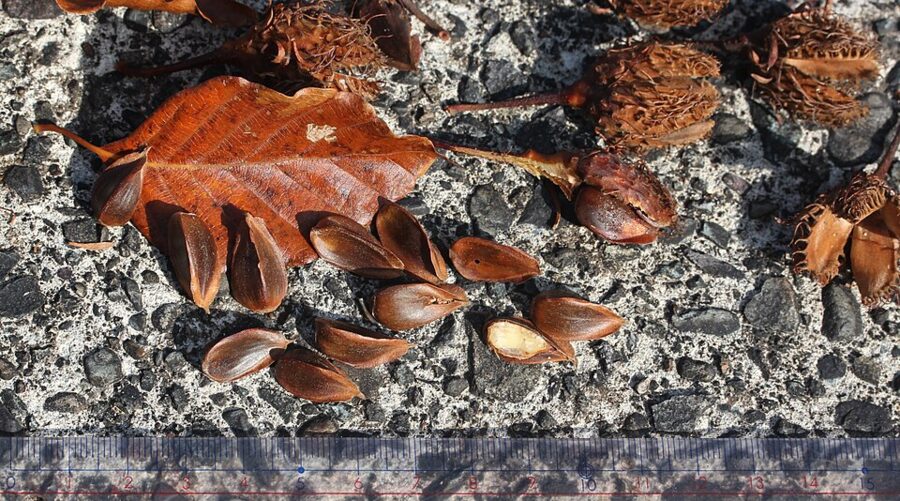
The trigger is food. Japanese beech crops heavily only every few years and acorns swing too; when both fail in the same autumn, hungry bears walk downhill into orchards and villages. In 2025 the failure was widespread in the north.

Underneath the trigger are slower forces. Rural Japan is emptying, and abandoned orchards and overgrown fields give bears cover and food right up to the edges of villages. The number of licensed hunters has fallen by more than half since 1975, and the average hunter has been around 65 for years. Bear numbers grew after hunting limits came in, and one study area in central Japan showed growth of 11–12% a year in 2023.
The result is the urban bear. In July 2025 a brown bear killed a man delivering newspapers at 02:49 in Fukushima, a small town in southern Hokkaido; DNA showed it had attacked someone before. In September a mother bear knocked down a man walking his dog in a park in Sapporo’s Nishi Ward at about 19:50. In October 2025 a worker cleaning an outdoor bath at an onsen in Kitakami, Iwate, was killed.
Fiscal 2026 shifted the timing rather than ending the problem. Six people had died by the end of June, all in Tohoku: three in Iwate and one each in Yamagata, Akita and Aomori. Autumn was far quieter, with eight incidents in October 2026 against 78 a year earlier. The ministry’s 2026 nut crop survey flagged poor crops in Hokkaido, northern Kanto, Kinki and Chugoku instead, so the risk map for autumn 2026 moved south and west.
Where and when
In fiscal 2025 the worst prefectures for injuries were Akita (67 people hurt, four killed), Iwate (40 hurt, five killed), Fukushima (24), Niigata (17), Nagano (16, one killed), Yamagata and Gunma (12 each) and Aomori (10). Hokkaido had six people hurt and two deaths. Further west the numbers drop, though Toyama and Gifu record injuries most years.

The months that matter
Autumn is the dangerous season, and the figures leave no room for argument. Of the 216 incidents in fiscal 2025, 37 came in September, 78 in October and 32 in November: two in every three. October alone accounted for seven of the 13 deaths. Bears are in their pre-hibernation feeding phase then, ranging widely, and in a bad nut year they are hungry as well.
Spring has its own peak, when bears leave their dens just as people head into the woods for wild vegetables and bamboo shoots. Two men gathering bamboo shoots near Omachi in Nagano in June 2025 were attacked, and one died. Summer is quieter, though bears feed on mulberries near Karuizawa from June to August.

The hours that matter
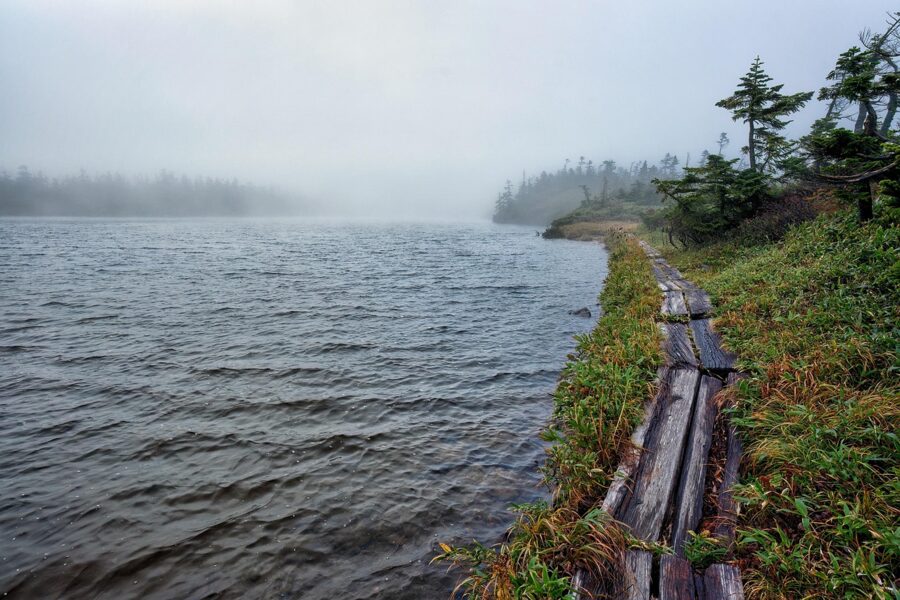
Bears avoid people by moving at dawn, dusk and night, and the Hokkaido government warns that this is when surprise encounters happen. A 05:00 start on a Tohoku ridge in October puts you in the forest in half-light, exactly the wrong time. In bear country in autumn I’d start at first proper light and plan to be off the wooded lower slopes well before dusk.
What changed on the ground
On 1 September 2025 an amended wildlife law brought in kinkyu juryo (緊急銃猟), emergency shooting. When a bear or boar enters an area where people live and work, the mayor of the town can authorise a licensed hunter to shoot it there, under safety conditions, with the town carrying the legal responsibility. Before, shooting in town needed a police order under their own emergency powers. The ministry’s list of emergency shootings counts 60 cases in fiscal 2025 and 45 more up to 18 November 2026, including Hachioji in western Tokyo and Tateyama in Toyama.
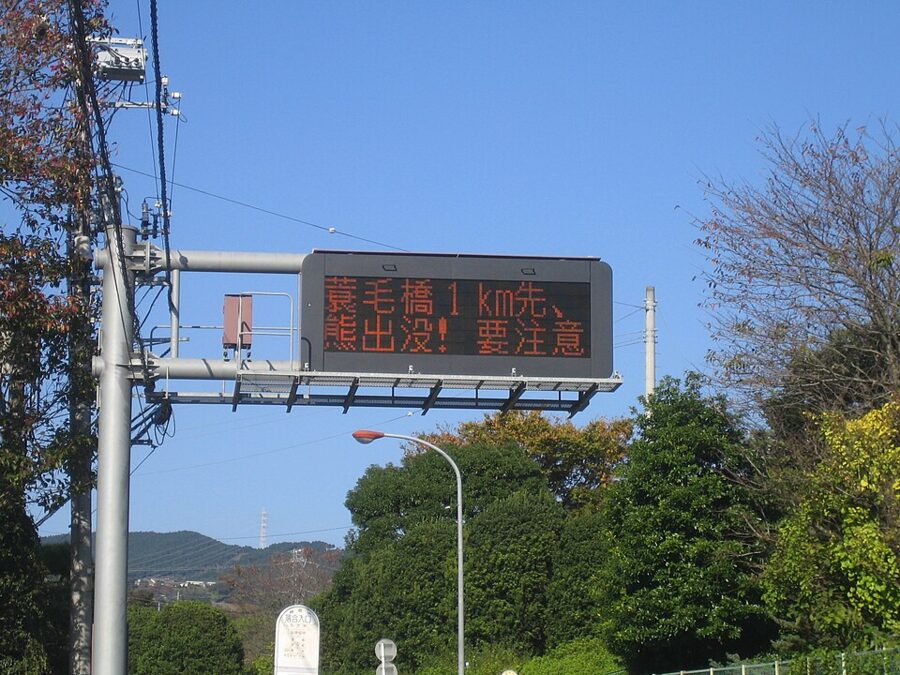

A government roadmap in March 2026 added multilingual warnings for foreign visitors in national parks. For a hiker, three changes matter more: closures, alert levels and the maps.
Closures and alert levels
Akita Prefecture bans entry to part of the mountains outright. Its bear page lists the area from Hachimantai in Kazuno city to Tamagawa in Senboku city, where bears have taken foragers’ wild vegetables and attacked people deliberately. The prefecture says bells and radios do not protect you from bears like that. Do not go in.
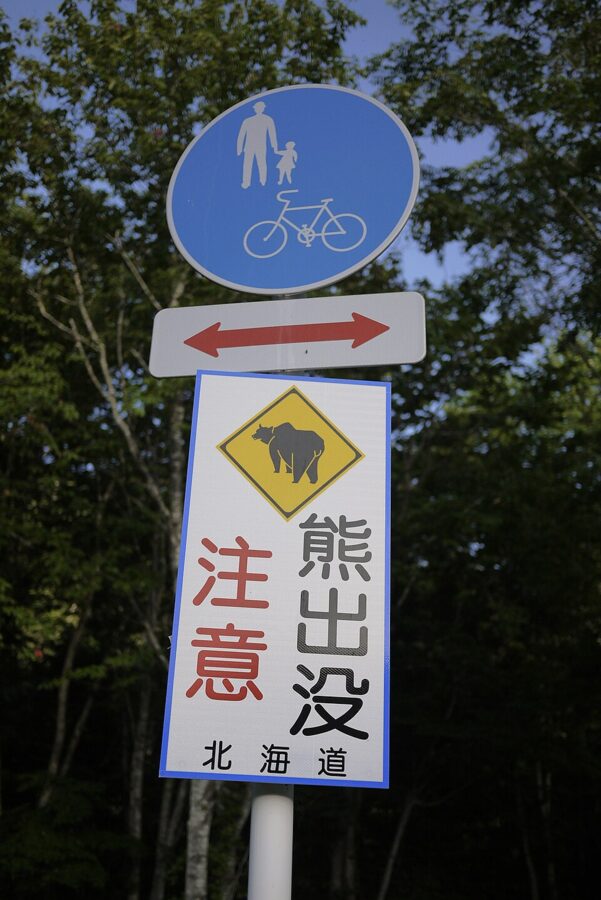
Prefectures also issue advisories (chuiho, 注意報) and warnings (keiho, 警報). Nagano put the Northern Alps under a bear warning from 24 June to 10 July 2026, and Kiso likewise from 26 June. Hokkaido issued its first ever brown bear warning after the Fukushima killing in July 2025, and the Hokkaido brown bear advisory page shows which are in force. A warning does not close trails by itself, but it tells you the bears in that area are active near people right now.

Reading the sighting maps
Most prefectures publish sightings under the heading kuma shutsubotsu joho (クマ出没情報). Akita runs Kumadas, a map of reports; Nagano’s bear information map runs through the Kemonooto 2 app; Iwate lists injuries and sightings as PDFs. Search the prefecture’s name with クマ 出没 マップ and you will usually land on the right page.
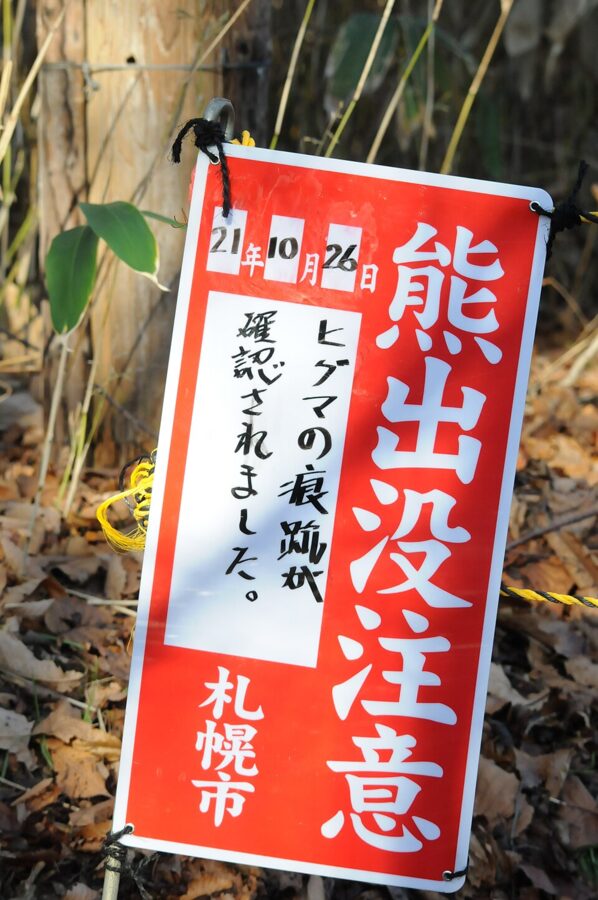
目撃 is a sighting, 痕跡 is signs such as droppings or claw marks, 人身被害 is an injury to a person and 入山禁止 means entry is banned. A cluster of 痕跡 and 目撃 along your route in the past week is a reason to change it. Nagano adds a line worth remembering: every forest in the prefecture is bear habitat, and an empty map does not mean an empty forest.
Before you go
Check the prefecture’s map and any advisory, and call in at the trailhead visitor centre for the latest sightings. Then sort out four things: noise, spray, company and food.
Bells, voices and their limits
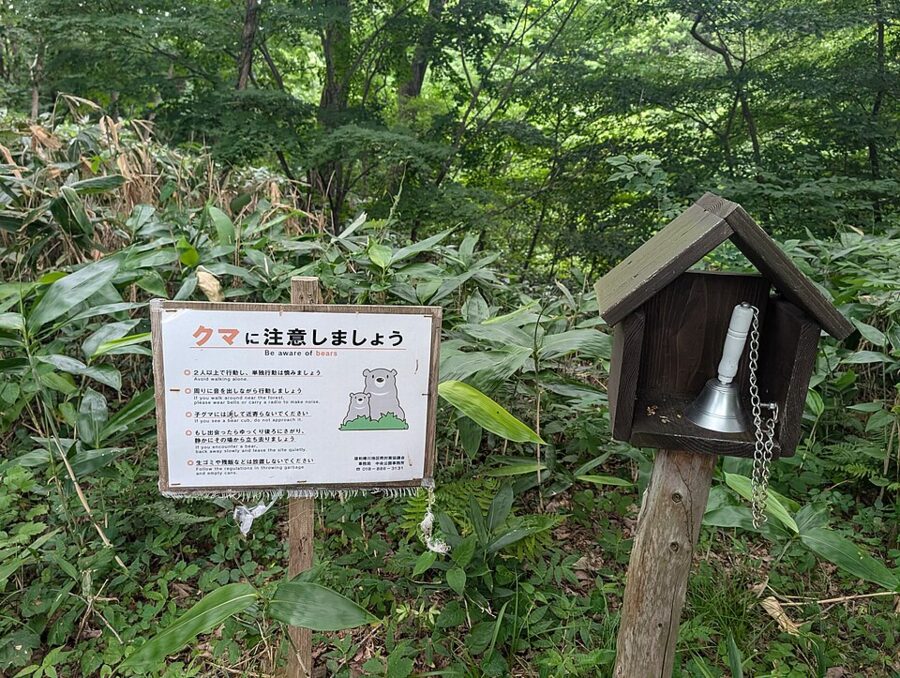
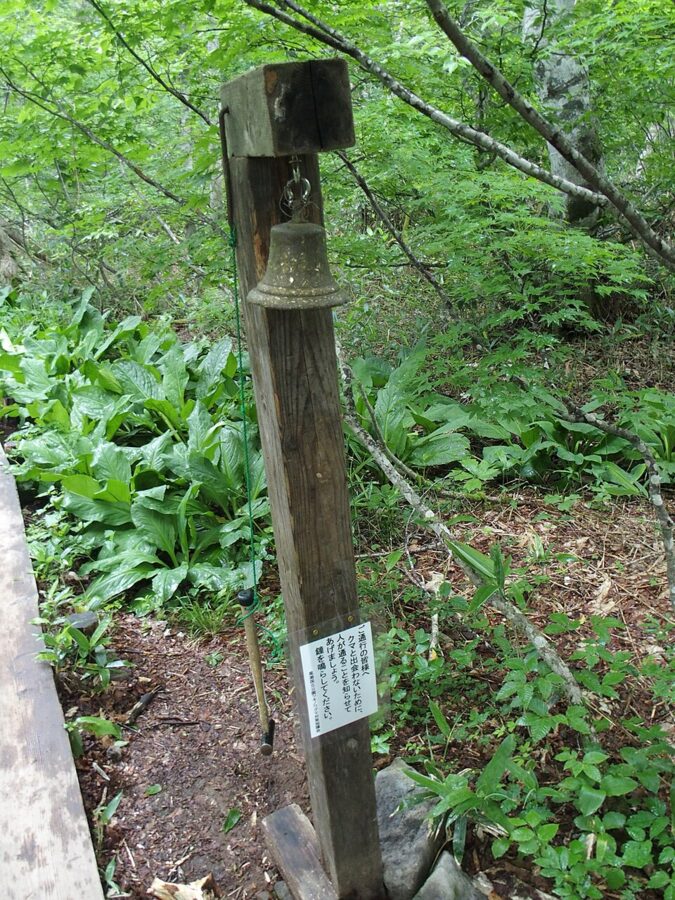
A bell is the cheapest protection you can carry, and most bears that hear people coming leave. Akita says most of the injuries it has investigated happened to people with no bell or radio who walked straight into a bear. Bells sell for about ¥1,000–1,500 in home centres and outdoor shops, and some visitor centres and trailheads lend them free.
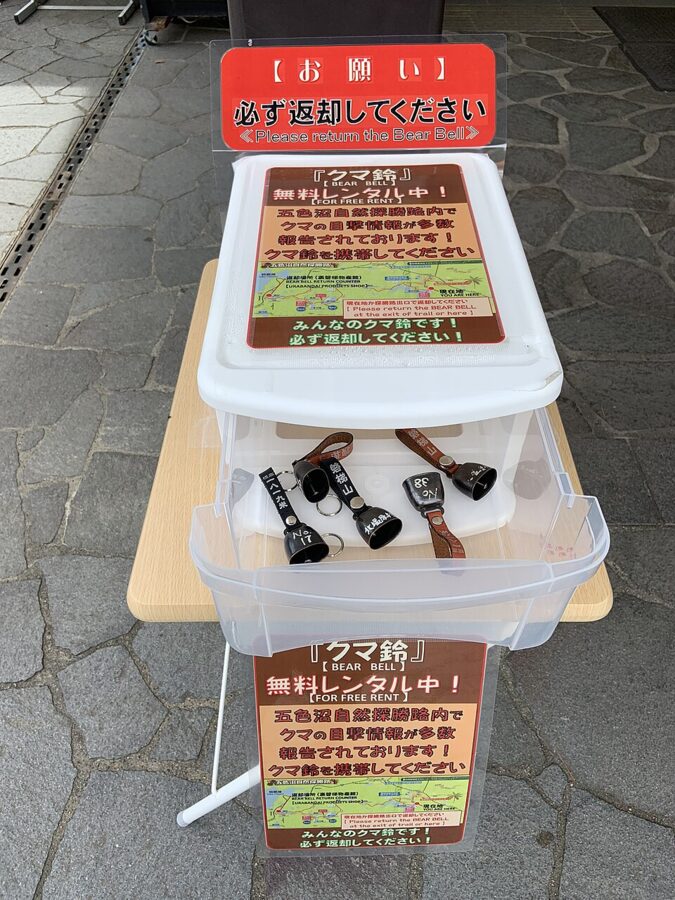
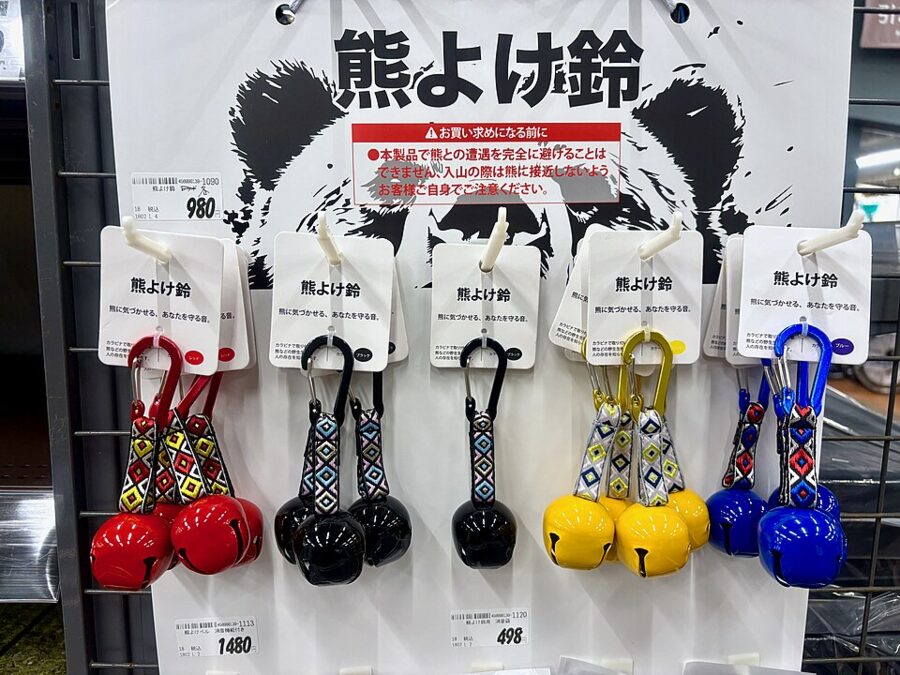

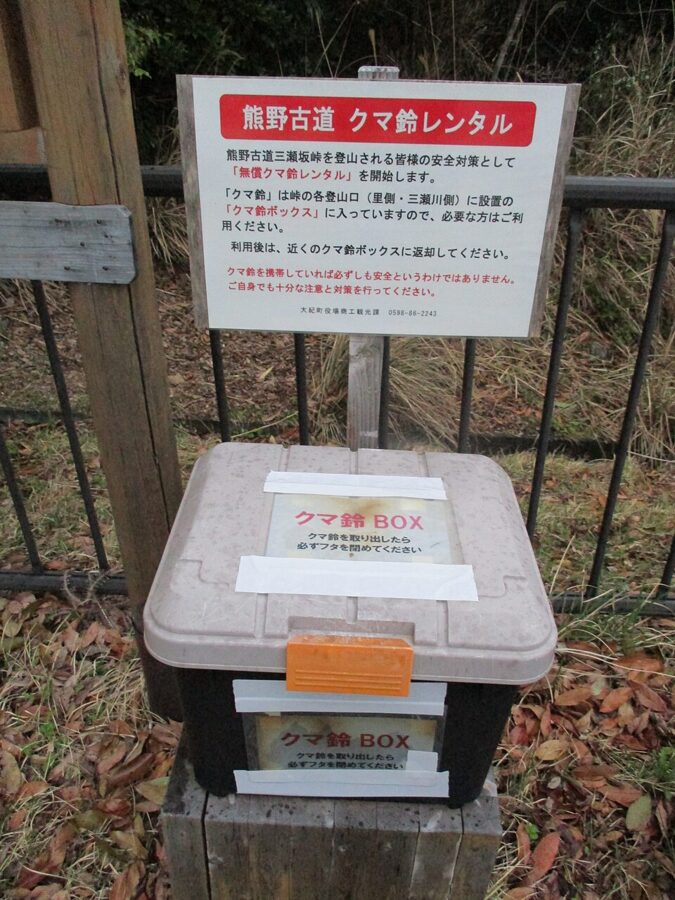
A bell has limits. It is drowned out by a rushing stream or strong wind, and the Rausudake hiker had one. The Ministry of the Environment tells you to take extra care where visibility is poor, along streams, in strong wind and in rain, and at those places I’d add your own voice or a loud clap before every blind corner. On the Kumano Kodo, the Iseji route lends bells at the start of the Misesaka pass for that reason.
Bear spray
Spray is the last line between you and a charging bear, and the ministry cites studies in which correctly used bear spray stopped unwanted behaviour in more than 90% of cases. In August 2026 the ministry published recommended requirements for bear spray, because shops were selling anti-personnel pepper sprays and fake labels as bear spray. Look for a capsaicinoid (CRC) concentration of about 1.0–2.0% shown on the can, a spray distance of at least 7.5 m, at least six seconds of spray, a cone-shaped mist rather than a jet, and a safety clip.
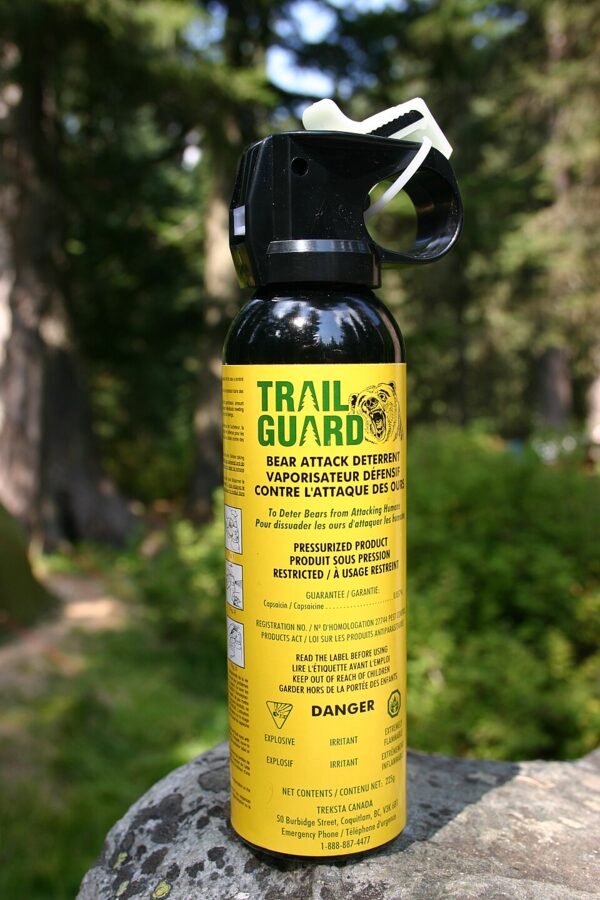

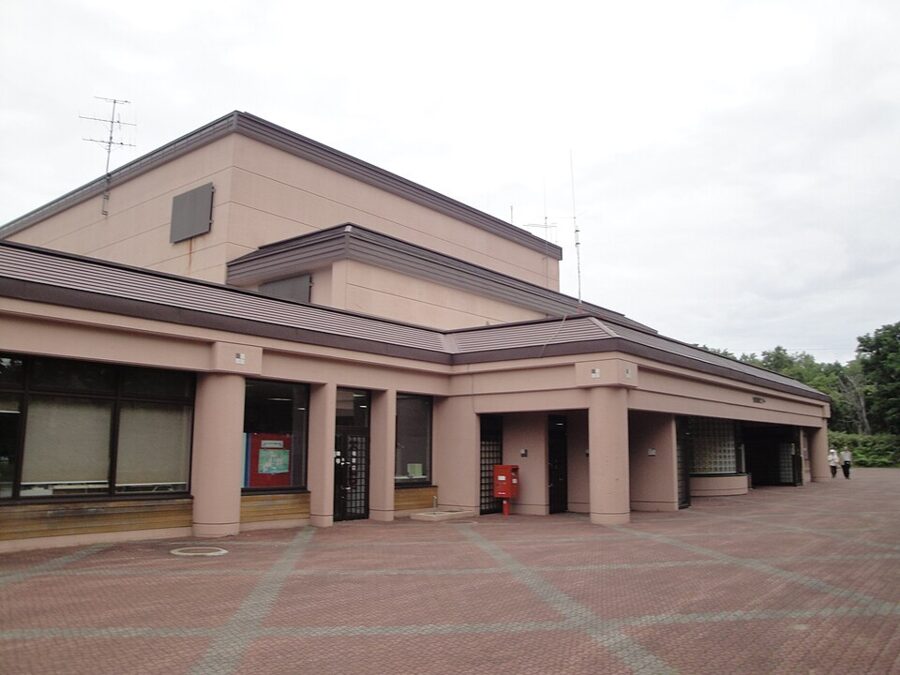
Getting it is the awkward part. Bear spray cannot go in your cabin bag or your checked luggage on a plane, so buy or rent it after you land. Outdoor shops in Japan sell it; a can costs about ¥11,000, the sum the Shiretoko Nature Foundation charges if you use or lose one of its rental cans. In Shiretoko the foundation rents bear spray for ¥1,100 per 24 hours, with photo ID, to people aged 18 and over, at the Shiretoko Nature Center, the Rausu Visitor Center, the Rusa Field House and Kinoshita-goya, first come first served.
Carry it on your hip or chest in a holster, never in a rucksack side pocket. On 5 May 2026 a can went off in a side pocket on the platform at JR Tadotsu station in Kagawa and around eight people needed treatment for pain in their eyes and lips; the ministry also records a discharge on a Shinkansen when someone pulled their bag from the luggage rack. On trains, keep the clip in and the can sealed inside your pack until the trailhead. Never spray it around your tent as a repellent.
Company and pace
Do not walk alone, and do not spread out: a group talks, makes more noise than any bell and looks bigger to a bear. The Ministry of the Environment adds that moving fast through sections with poor visibility leads to sudden close encounters, and asks you not to run there.
That last point catches trail runners and anyone training for adventure racing in Japan, who move fast, quietly and often alone in the half-light. If you run in bear country, run in pairs, call out at blind corners and slow to a walk through dense undergrowth and along streams.
Food, rubbish and the campsite
Never leave food, bags or rubbish unattended, including in front of your tent. Keep food in sealed containers and use the food lockers or bear-proof containers wherever a campsite has them; the Shiretoko Nature Foundation lends food containers for that reason. Carry every scrap of rubbish out: a bear that gets one meal from people comes back for more, and that bear is usually shot.

When you meet a bear
Japan’s official advice, from the Ministry of the Environment’s guidance for national park visitors, is short and applies to both species.
At a distance
If a bear is some way off, do not approach it or move closer for a photograph. Stay calm and back away slowly while keeping your eyes on it. Do not push past it on the path; wait for it to leave, even if that costs you an hour.
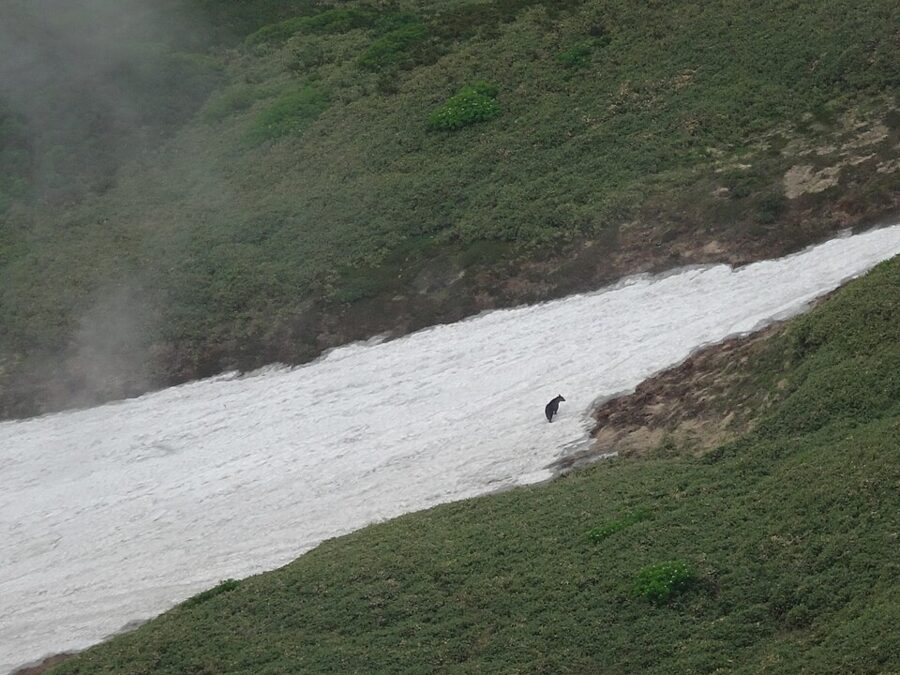

Do not shout, throw anything or turn your back and run, which triggers a chase. In Shiretoko the rule for watching bears is at least 50 m, and if you see one from a car, stay in the car. Watch for cubs: a cub on its own almost always has a mother nearby, and getting between them is the worst place to stand.
Up close, and if it attacks
If a bear comes at you, get the spray out, take the clip off and fire when it is close enough, as the instructions on your can describe. Spray blown back into your own face is useless, so check the wind if you have a second. Akita’s advice in town is to put a pole or wall between you and the bear; on the trail a tree or boulder does the same job.
If it makes contact, the ministry’s instruction is to lie face down and protect your neck, face and abdomen; Iwate tells you to cover your face and head with your arms. Akita stresses why: most bear injuries are to the head and face, and a report that says “not life-threatening” can still mean blindness or facial paralysis.
North American visitors may have learned to fight back against a black bear. Japan’s official guidance does not split it that way: for both species, face down, protect your head and neck, and use spray if you have it.
Afterwards
Report every encounter to the police on 110 (119 for an ambulance), the town office or the visitor centre, so it goes on the map for the next walker. Akita asks in particular for reports of any bear that followed you, took your belongings or came towards you instead of leaving, because those are the bears that hurt people.
Hokkaido: Shiretoko and Daisetsuzan
The Shiretoko Nature Foundation keeps a brown bear information site with a counter of encounters in the national park: 809 in 2026, as the season closed in November.
Rausudake
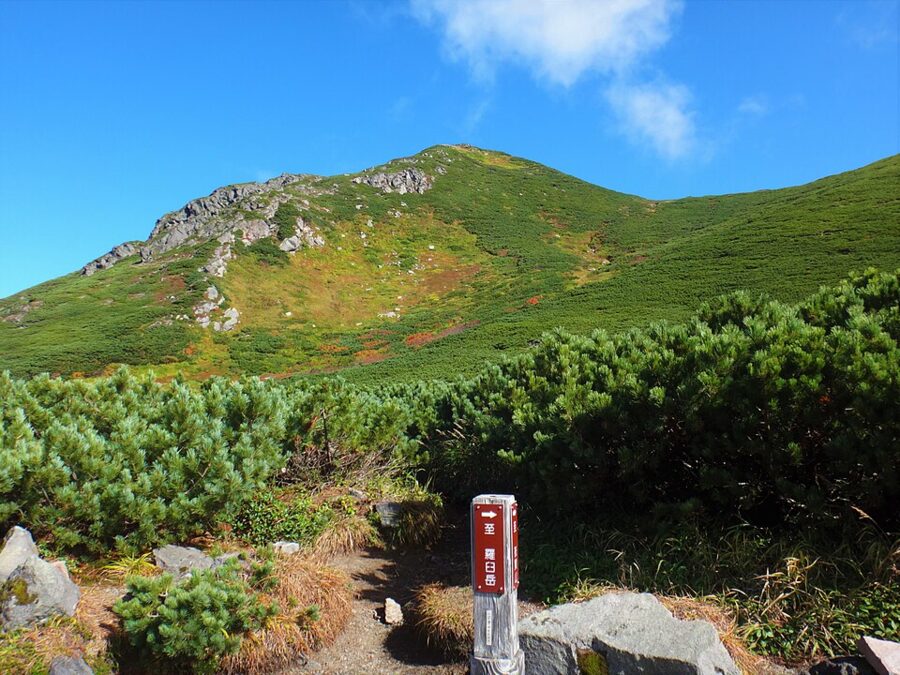
Rausudake (羅臼岳), 1,661 m, is the highest point of the Shiretoko peninsula and the climb most visitors come for. The usual route starts at the Iwaobetsu trailhead beside Kinoshita-goya hut, with a second route up from Rausu Onsen on the other side of the peninsula. After the August 2025 death every trailhead to the mountain was closed and a brown bear advisory ran until 13 September.

For 2026 the Shiretoko Brown Bear Management Council introduced a four-level bear risk rating for the Shiretoko trails: Rausudake by both routes, Iozan, the ridge traverse and Lake Rausu. Level 1 means no problem bears for a week; level 2 means high activity; level 3 means a bear that does not fear people has been seen on that route; level 4 closes every trailhead and orders anyone on the mountain down. By October 2026 every route was outside its rating period; before a 2027 climb, check whether the ratings are running, the night before and again at the trailhead.
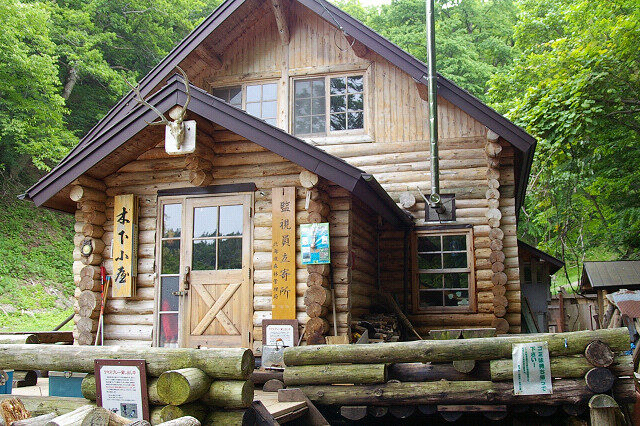

The 2025 report reads as a checklist. Stay with your partner on the descent, when tired legs want to jog, talk at every blind bend, and carry spray on your hip.
Shiretoko Goko
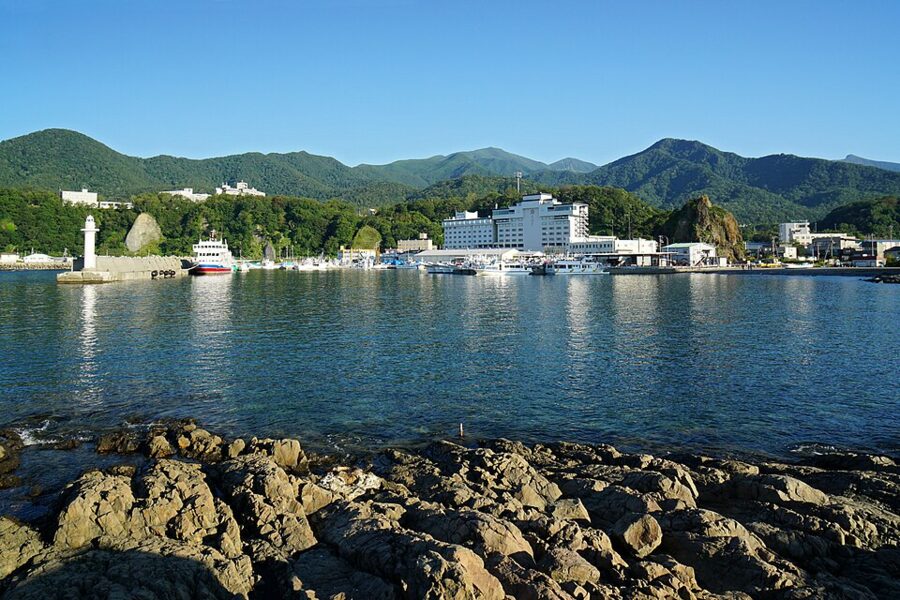
Shiretoko Goko is the easiest place in Japan to walk in serious bear country with the risk managed for you. A raised boardwalk of about 1.6 km return, around 40 minutes, is free and open all season. The ground-level path round the lakes runs under rules that change through the year, set out on the Goko ground path page.
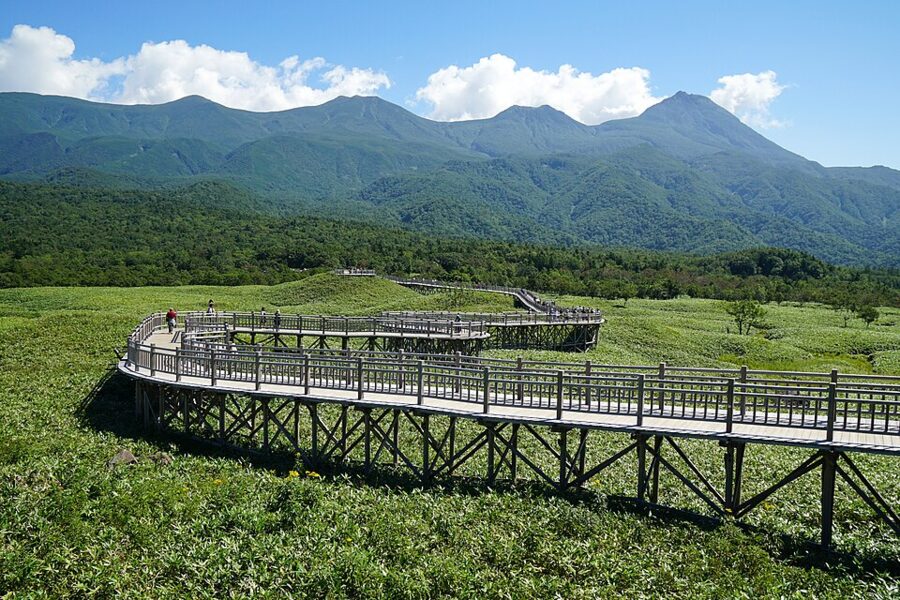

From opening until 9 May, and again from 1 August to closing, you can walk the ground path after a ten-minute lecture at the field house, about ¥450 for adults. In the bear activity period, 10 May to 31 July, you can walk it only with a registered guide: the 1.6 km small loop takes about 1 hour 45 minutes and costs about ¥4,000, the 3 km large loop about three hours and from about ¥6,000 booked ahead. Groups are capped at ten and guides carry radios; outside the guided period the ground path shuts whenever a bear turns up.

The foundation tells one story to every visitor. In 1998 tourists threw sausages to a young female bear near the park entrance; she learned that people meant food and the next spring was eating a deer carcass beside a primary school in town. She was shot before the children arrived.
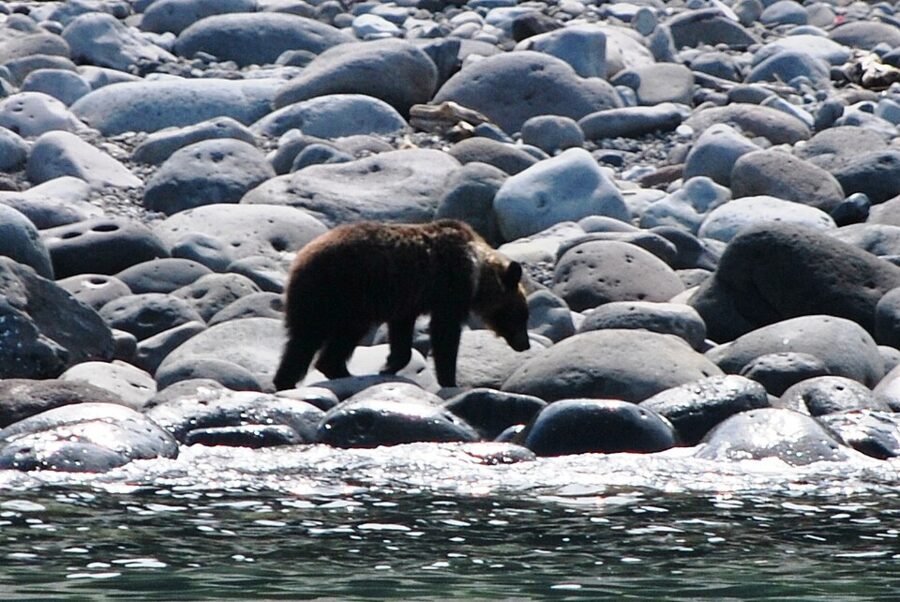

To see a brown bear, the foundation suggests a sightseeing boat along the coast from Utoro or Rausu: safe for you, and least harmful to the bears.

Daisetsuzan
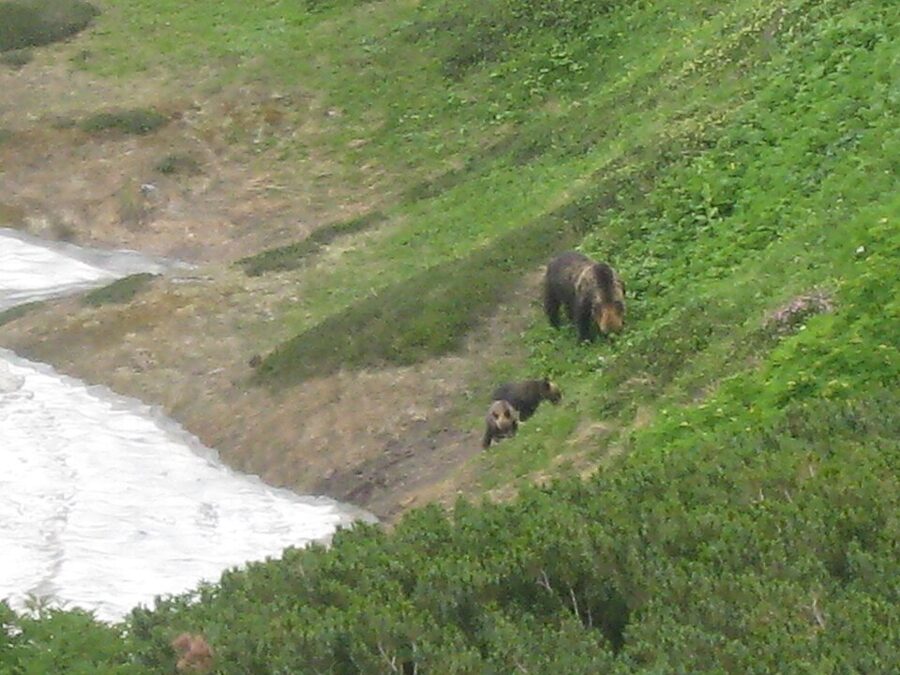
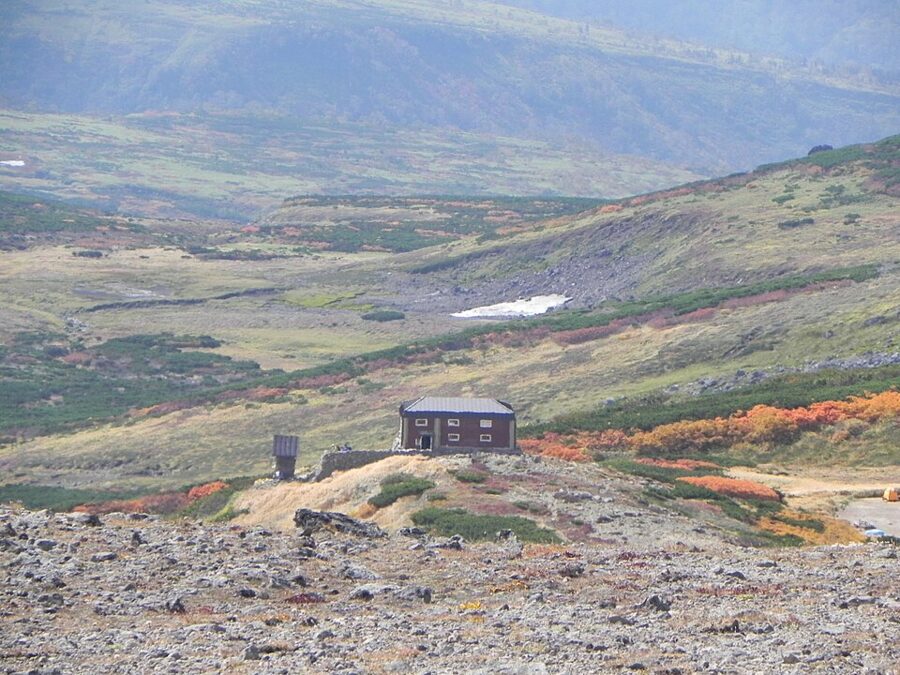
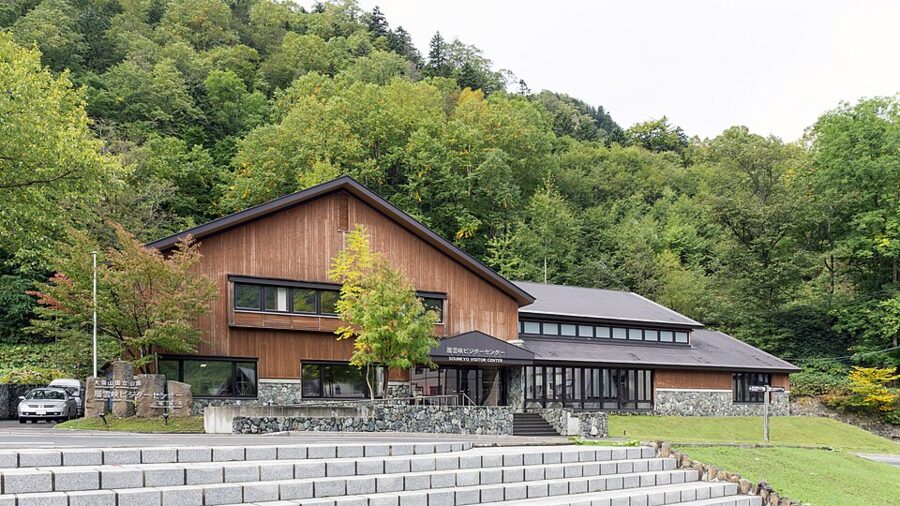
Daisetsuzan, Japan’s largest national park, is a high plateau of volcanic peaks and long traverses between shelter huts such as Hakuundake. Brown bears live up there: in August 2009 a walker photographed a mother and two cubs feeding on the slopes near the Hakuundake shelter hut. The Daisetsuzan National Park Liaison Council posts bear reports for the main trails, and the visitor centres at Sounkyo and Asahidake are the places to ask.


On a multi-day traverse the food rules matter most: keep everything sealed, carry your rubbish over the whole route and keep spray within reach at the hut as well as on the trail.
Keeping it in proportion
In July and August 2025 alone, the National Police Agency counted 808 mountain accidents across Japan, with 54 people dead or missing. Bears killed 13 people in the whole fiscal year, and most of them were not hiking.
In Nagano, home to most of the Japan Alps, one of the 16 people hurt by bears in fiscal 2025 was climbing; the rest were foragers, forestry workers, farmers, people walking near home and people attacked in their own houses. In fiscal 2026 up to November, one of four was a hiker. Hokkaido’s list of brown bear attacks since fiscal 1962 counts 165 incidents and 61 deaths in 64 years, under one a year, with hunters and foragers far ahead of hikers.
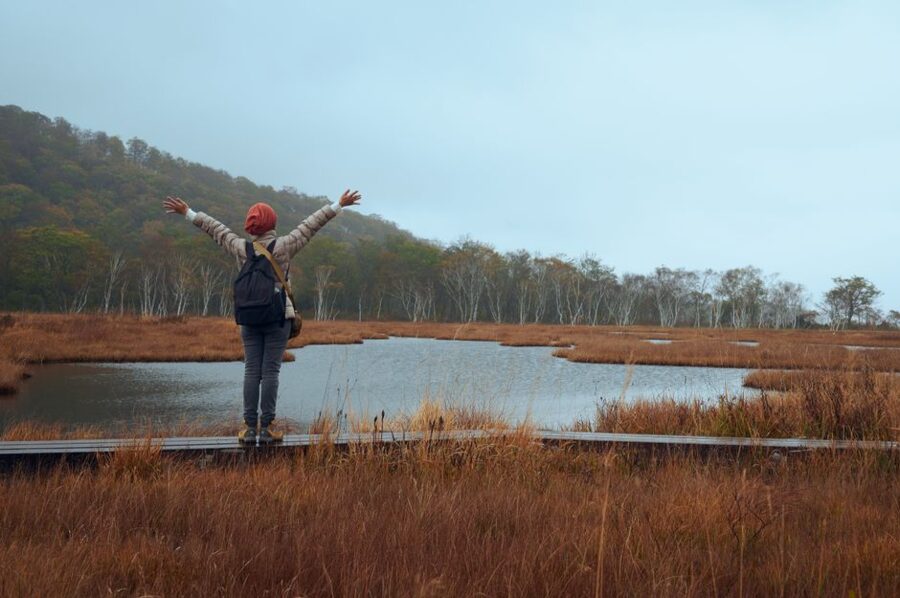
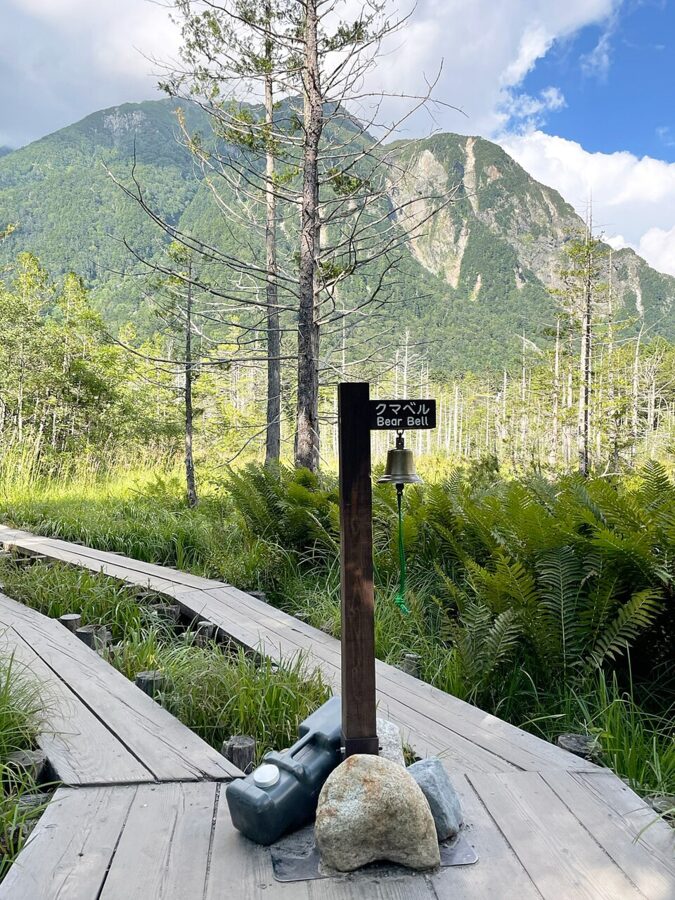
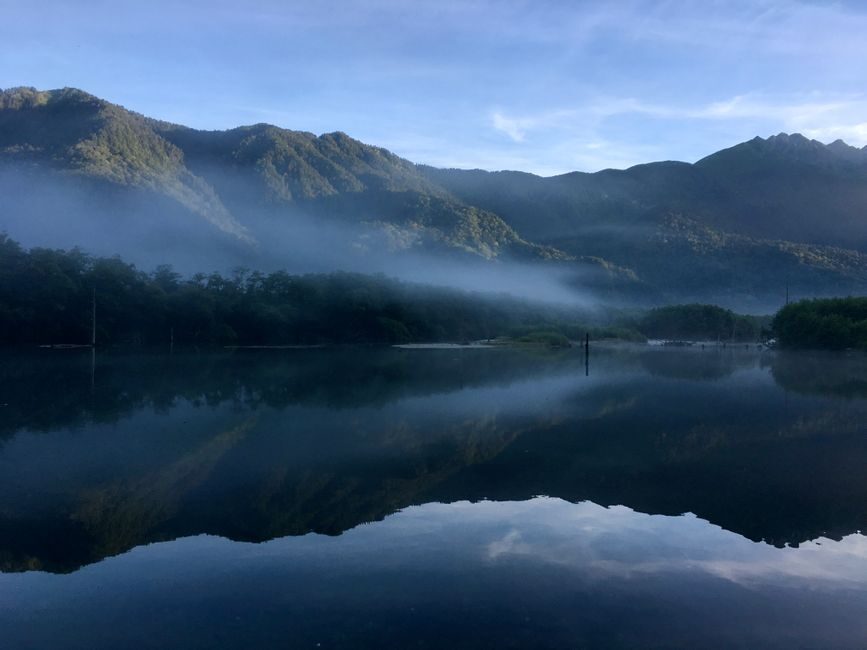
In Kamikochi, at Oze and on the Kumano Kodo, bears are seen most years and bells hang along the paths, but the crowds and the noise keep encounters rare. On the upper slopes of Mount Fuji, above the trees, altitude and crowds are your problem, not bears.
The risk sits in quieter places: back-country forest in Tohoku in an autumn when the beech has failed, foraging grounds near villages, streams and dense undergrowth at dawn, and the Shiretoko and Daisetsuzan trails in Hokkaido. Pick your range and month with that in mind, and bears become one more piece of planning, like the last bus.
Back to the bend above Iwaobetsu. Walk it with your partner in sight, call out before you round it, keep the spray on your hip with your hand free to reach it, and check the risk rating before you leave the hut. The bend is still blind. You just no longer arrive at it alone, silent and running.