
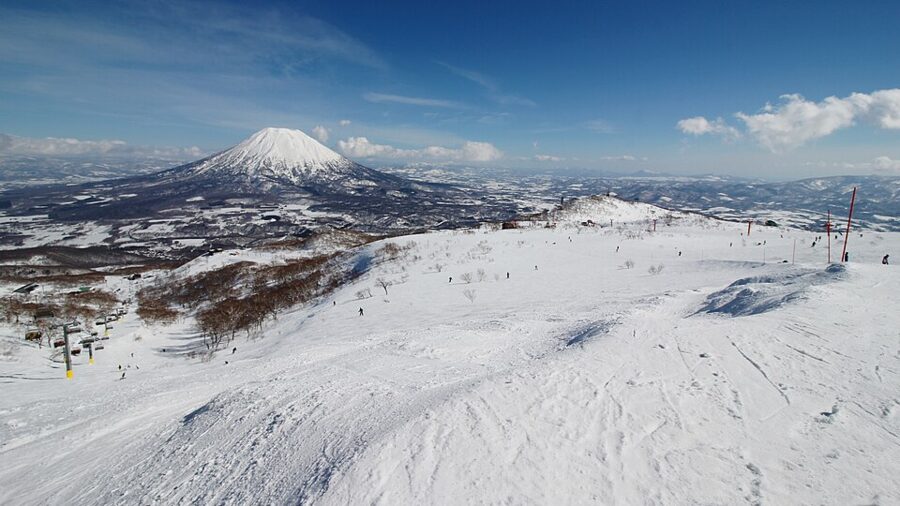

The gate on the summit ridge of Niseko Annupuri is a gap in a rope with a sign on it, and on a bad morning it is the only thing between you and the slopes of a mountain that, until the rules came in, killed more skiers in avalanches than any other in Japan. On good days it stands open. On the mornings when the overnight wind has swung round and loaded the lee slopes, it is shut before the first lift turns, and nobody up there is going to argue you through it.
That rope is the reason Niseko (ニセコ) works. The snow brought the crowds; the rules about where you may leave the pistes, written by locals after two decades of funerals, are what let them ski off the edge of the resort and mostly come home. Everything else (the four resorts, the passes, Hirafu’s restaurants, the bus from the airport) hangs off one mountain of 1,308 m and a town that gets nine metres of snow a winter.

Contents7 sections
Annupuri, the cold and the snow
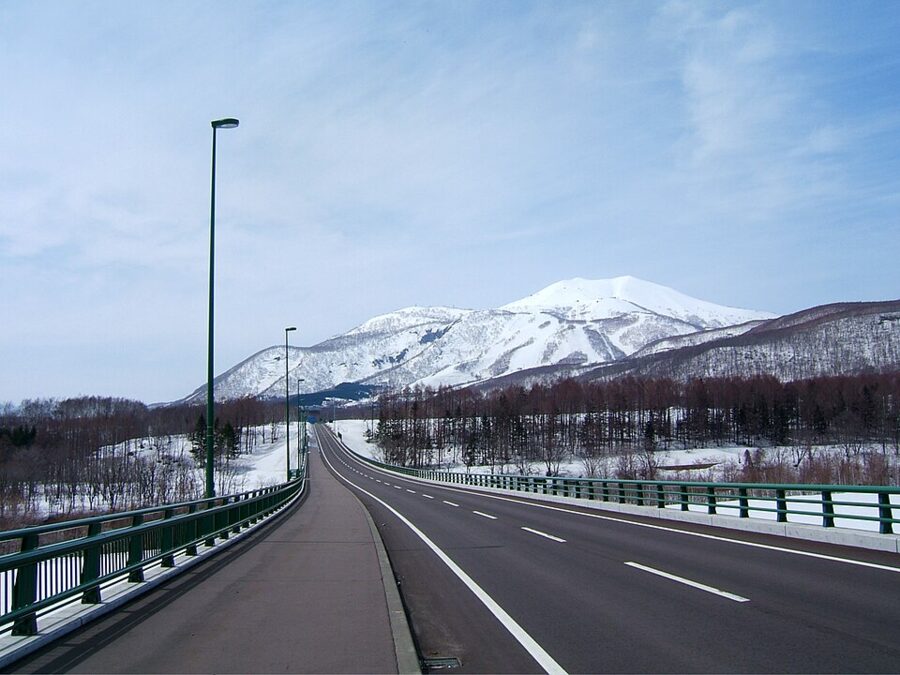
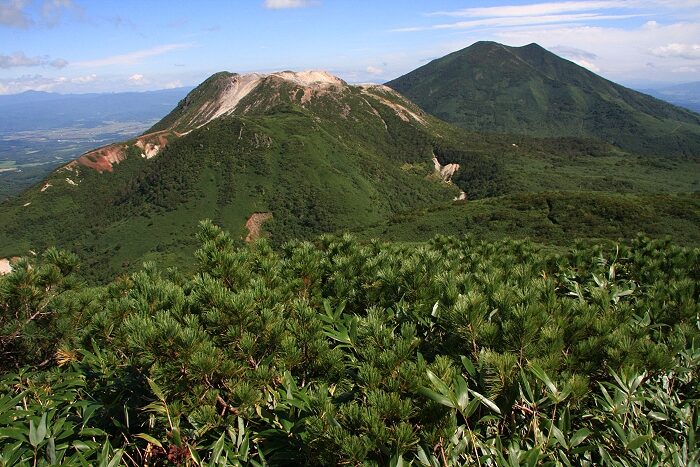
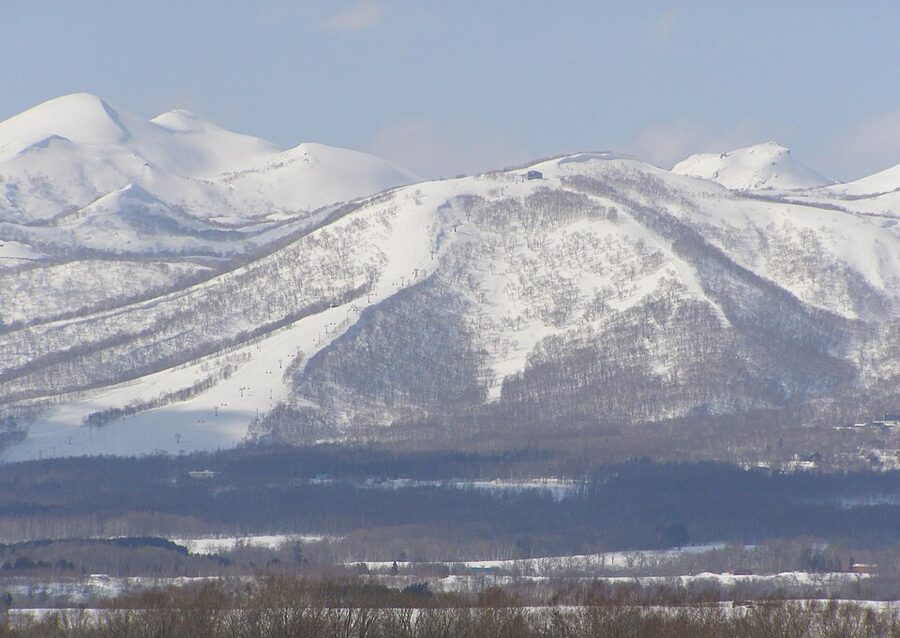
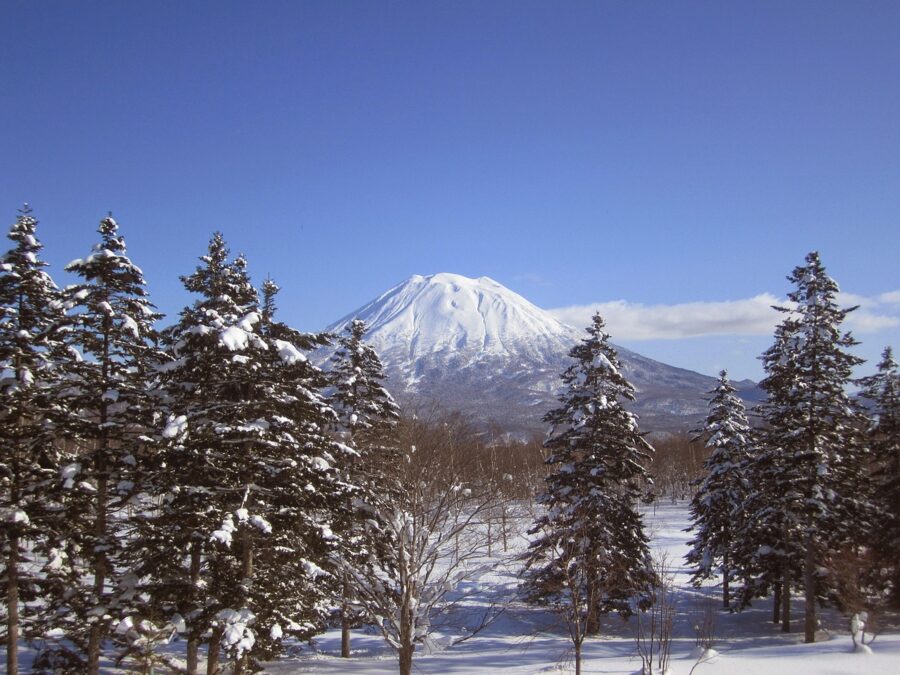
Niseko Annupuri (ニセコアンヌプリ) is the main peak of the Niseko volcanic range, a line of old domes running west towards the Sea of Japan. The Geospatial Information Authority of Japan gives it 1,308 m, which is low by any alpine standard: the top lifts stop a little short of that, and the base villages sit a few hundred metres above sea level. The volcano was active between about 700,000 and 250,000 years ago and has been quiet since; the activity moved west to Iwaonupuri and its neighbours, which still steam. Those live neighbours are the ones to check against the alert levels for volcanoes in Japan.
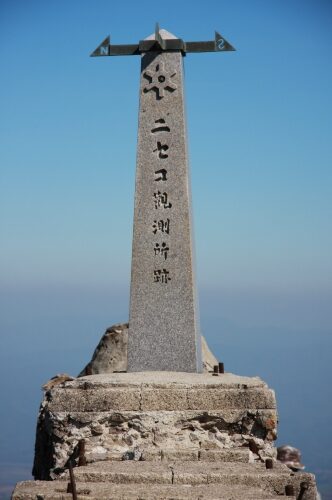
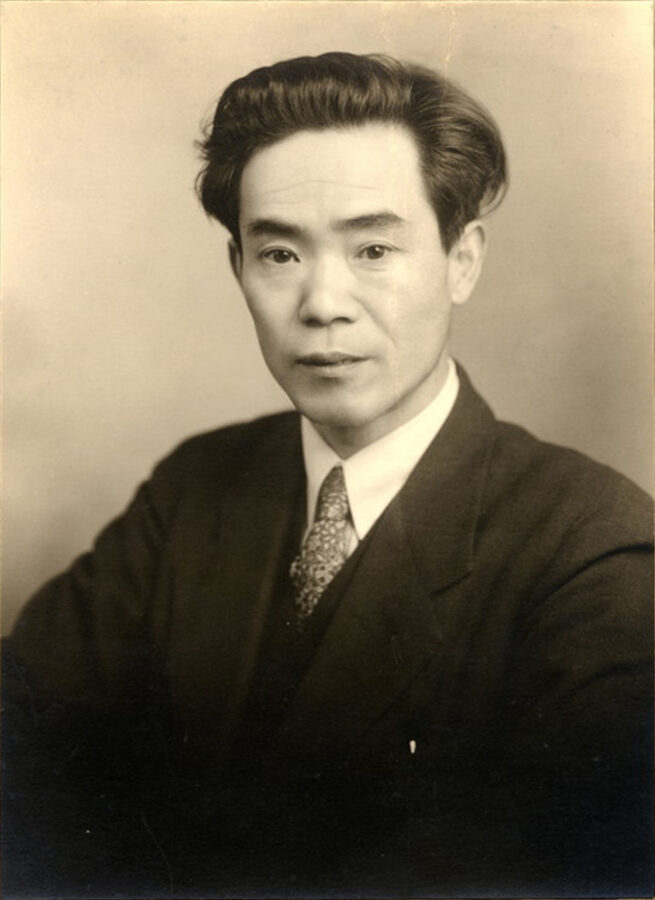
The name is Ainu. It is usually read as “the mountain of the Niseko-an river”, the stream that drains its southwest side, and the river name itself as something like “the river by the cliffs”. On the summit there is a concrete plinth marking the site of a wartime observatory, where a Hokkaido University team under the physicist Nakaya Ukichirō ran icing experiments on an aircraft through the winters of 1943 to 1945. Locals in the valley could hear the propeller from below.

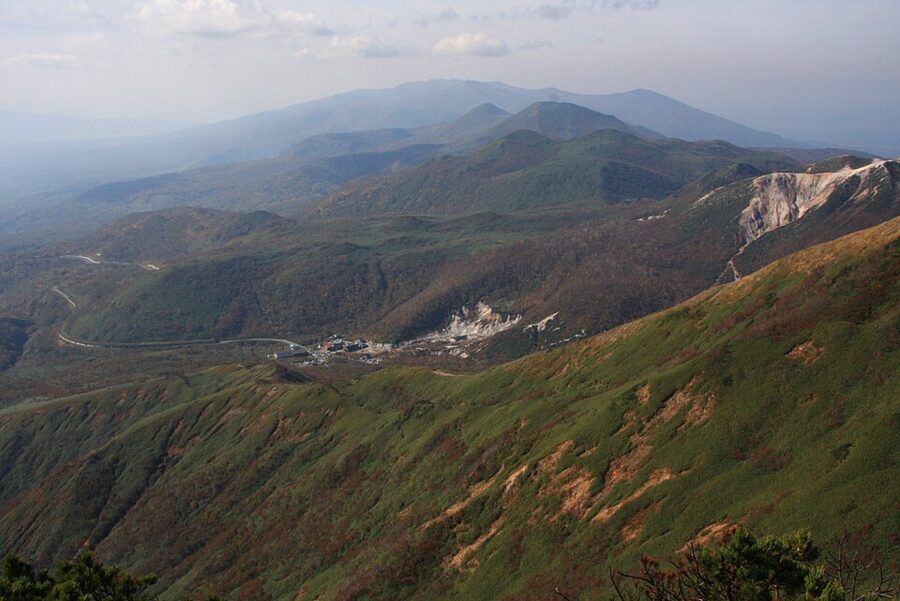

The snow comes from the northwest. Winter monsoon winds off the continent pick up moisture over the comparatively warm Sea of Japan and dump it on the first high ground they hit, which here is the Niseko range. Because the air is so cold, it falls light and stays light.
The Japan Meteorological Agency’s 1991–2020 normals for Kutchan, the town on the valley floor at 176 m, give 921 cm of snowfall a year, 253 cm of it in December and another 253 cm in January, and an average deepest snow cover of 183 cm. January’s mean temperature in town is −5.4°C, with an average daily low of −9.6°C.
Those are valley figures. On the mountain the totals are bigger. Niseko United’s weather station at 850 m on Grand Hirafu recorded 13.5 m of snowfall in the 2025–26 season, with fresh snow on 80 days and 6.2 m of it in January alone; the base peaked at 4 m on 20 February. That was called an ordinary year. The 2020–21 season reached 15.9 m.
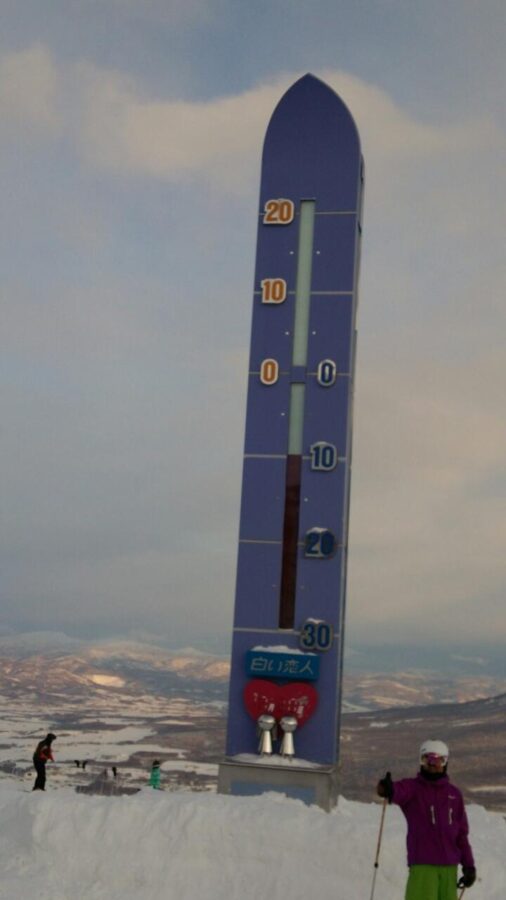

Why this mountain and not another of Hokkaido’s snowy hills comes down to three things: the snow, a quirk of geography that puts lifts on all sides of one peak, and timing.
Lifts went in from 1961. Australians who came to work as instructors in the late 1980s and 1990s told people at home, and from the early 2000s a wave of skiers from the southern hemisphere arrived in their own summer, followed by investment from Hong Kong, Malaysia and elsewhere. The cheap yen did the rest, and Niseko became the first name most overseas skiers think of for skiing in Japan.

Four resorts on one mountain
Niseko United is four separately owned ski areas that share Annupuri’s flanks, a lift-pass system and a shuttle bus. Going clockwise from the northeast: Hanazono, Grand Hirafu, Niseko Village and Annupuri. The first three link at the top on piste. Annupuri connects to Niseko Village over the upper mountain, but on a stormy day, when the top lifts close, the link is the bus.
Plan around that. When the wind is up, the summit lifts are the first to stop, and you can end up on the wrong side of the mountain from your hotel at 15:30 with nothing running back. The Niseko United shuttle loops the four bases through the winter, and riding it is free with a valid day pass. Scanning a day ticket on the bus activates a day, so if you have a multi-day pass you are saving, pay the fare instead.
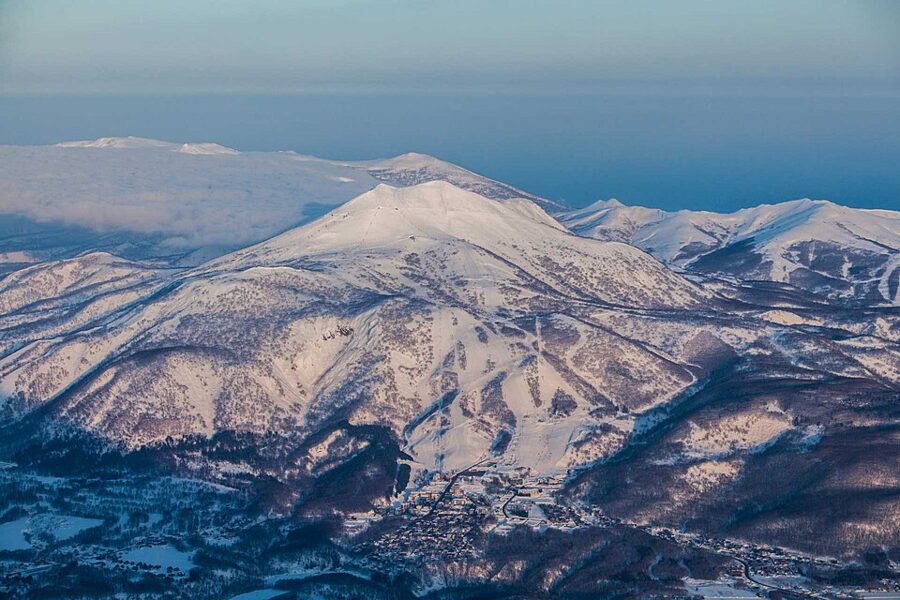

Grand Hirafu
The biggest and the busiest, on the east face above the village of Hirafu. Tokyu runs it as Niseko Tokyu Grand Hirafu. The resort’s own trail guide gives 135 ha, 940 m of vertical, 22 marked trails (nine beginner, six intermediate, seven advanced), a longest run of 5.3 km and a maximum pitch of 40 degrees. The 10-person Ace Gondola climbs out of the village, and the King lifts run up towards the summit ridge.
This season the old Ace No. 3 double has been replaced by a quad that more than doubles its capacity, from 1,029 to 2,400 people an hour, built partly from the chairs and towers of the King No. 3 lift that became a six-seater last winter. That is the mid-mountain choke point fixed. The upper mountain still queues on powder mornings, and the only fix is to be on the first gondola or to ski somewhere else.
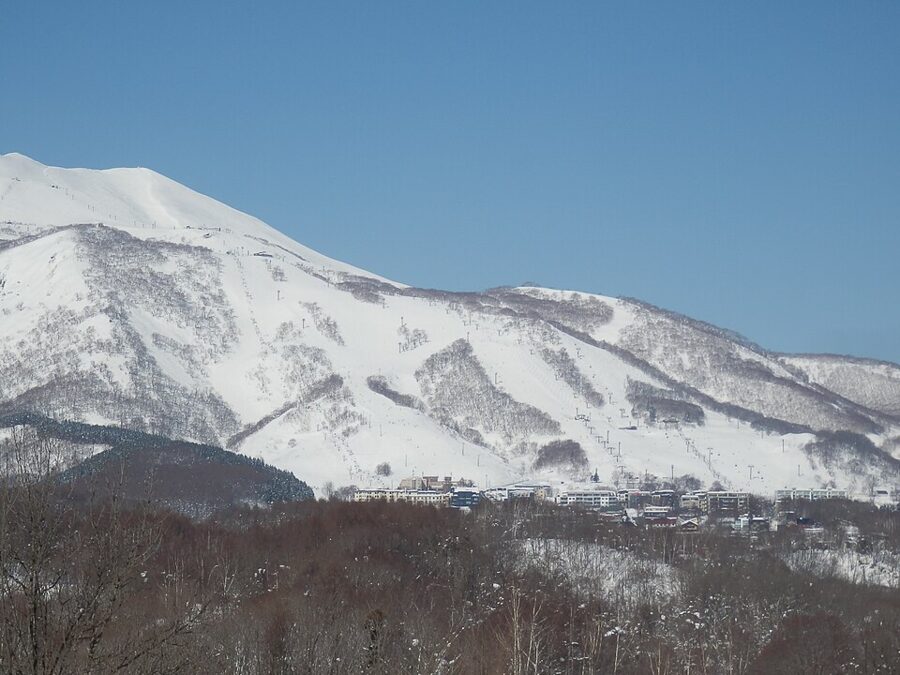

Grand Hirafu also has the night skiing. From 12 December to 22 March it runs 16:00–19:00 on 12 trails served by the Ace Gondola, the Ace Family quad, the King Gondola (until 7 March) and the King Holiday pair. On a snowing evening the lit runs refill as you ski them, which is the best argument for a long lunch.
Hanazono
Hanazono is the northeast corner, opened in 1992 and now owned from Hong Kong, with the Park Hyatt at its base. Since the 2021–22 season a six-seat chair and a 10-person gondola have replaced the old quad on the main line, and Hanazono has had its own night skiing since then. I rate it the best of the four for trees and for a family that wants a proper beginner area away from the Hirafu crowds.
One of its runs, the Legend of Shinya, is named after Shinya Akio, the founder of the Niseko Avalanche Institute and the man most responsible for the rules in the next section. Hanazono links to Grand Hirafu through a connecting trail off its upper lifts that needs a short climb, and its course list marks one run kept ungroomed all season for the morning after a storm. The resort also runs a snowcat operation on the neighbouring Niseko Weiss and plans a lift link to it.

Niseko Village
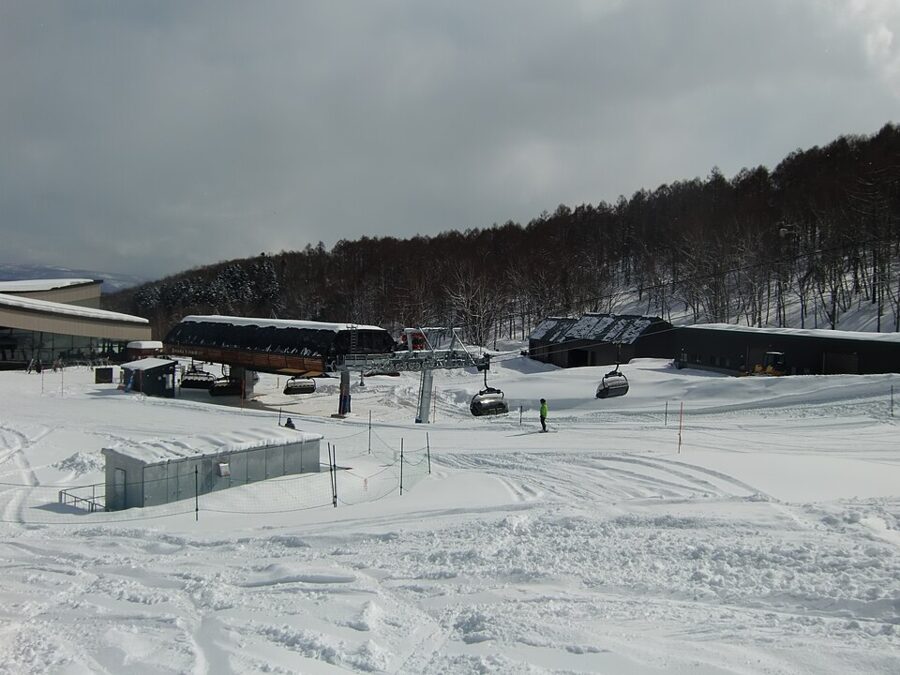
Round on the south face, Niseko Village began in 1982 as the Seibu group’s Niseko Higashiyama and has belonged to Malaysia’s YTL since 2010. It is a hotel resort: the Hilton, the Green Leaf and the Ritz-Carlton Reserve at Higashiyama sit at the bottom of the lifts, and the long runs come down through forest rather than open bowls. Its steep terrain is Mizuno-no-Sawa, a specially controlled area with its own entry conditions.
The big change this winter is the new eight-person Mori-no Gondola replacing the Mori-no double chair. Its first section, to 670 m, is due to open for the 2026–27 season, with the second, to about 930 m, following in 2027. The Niseko Gondola remains the way up to the link with Grand Hirafu.

Annupuri
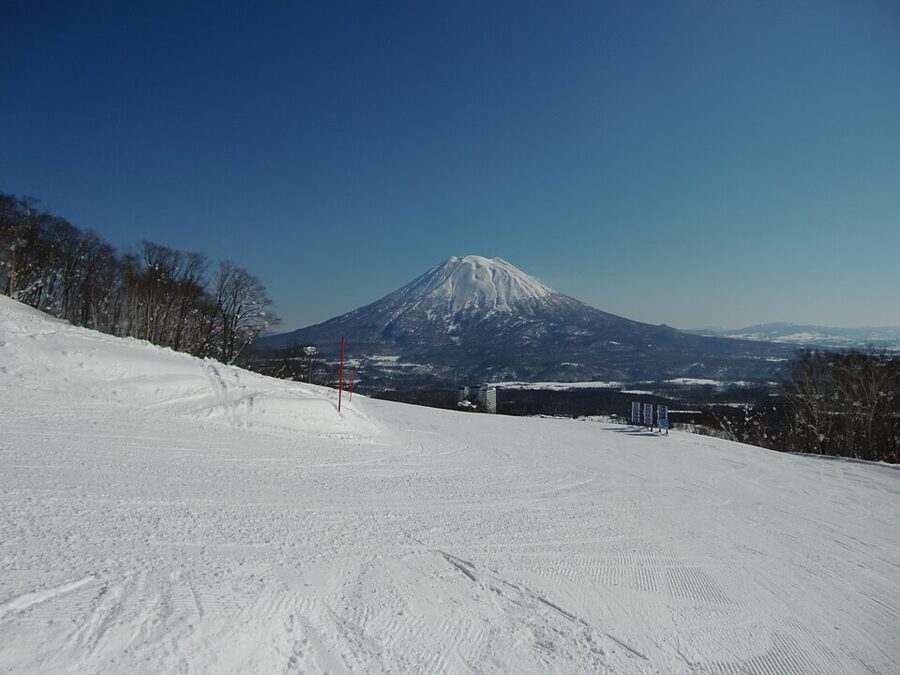
Niseko Annupuri International Ski Area is the western end, opened in 1972 and run by a company in the Hokkaido Chuo Bus group. It is the quietest of the four, with wide groomers, natural hot springs at the base and a long gondola that has run since 1985. That gondola carries about 1,440 people an hour and is due to be replaced ahead of the 2028–29 season by one with nearly double the capacity.
Annupuri’s appeal is its southwest-facing terrain and the short queues; its drawback is that it sits furthest from Hirafu, where most people sleep. If you are staying in Hirafu, an Annupuri day means the shuttle out in the morning and getting back over the top before the upper lifts close, or the bus home. It also stays open to 5 May, as long as Grand Hirafu.
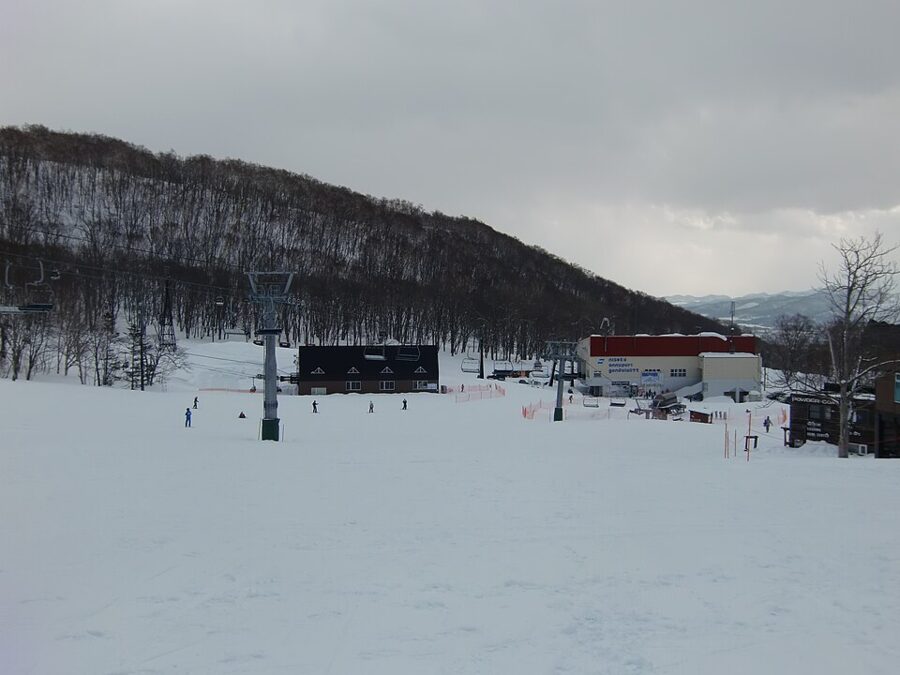

A fifth, smaller area, Niseko Moiwa, sits further west on its own hill and is not part of Niseko United’s pass. It matters mainly because the avalanche report takes a weather reading there.
The All Mountain Pass and what it costs
The Niseko United All Mountain Pass covers all four resorts and the shuttle. Prices for the 2026–27 season are set by period, and Niseko United publishes the full 2026–27 price table. The adult rates are these:
| Period | Dates | 1 day | 3 days | 5 days |
|---|---|---|---|---|
| Early season | 28 November–11 December 2026 | ¥8,800 | ¥25,800 | ¥42,700 |
| Regular | 12–23 December 2026; 1–22 March 2027 | ¥12,600 | ¥36,800 | ¥61,000 |
| Peak | 24 December 2026–28 February 2027 | ¥13,500 | ¥39,500 | ¥65,500 |
| Spring | 23 March–4 April 2027 | ¥8,800 | ¥25,800 | ¥42,700 |
| Final | 5 April–5 May 2027 | ¥6,300 | – | – |
A peak-season week (seven days) is ¥91,500. Children aged 4–12 pay about 60% of the adult price, teenagers 13–15 and over-65s about 85%. Multi-day tickets run on consecutive days only, a 12-point ticket is ¥7,500, and there is a 50-hour pass, online only, at ¥121,200. Buying online saves around 5% and skips the ticket window, but early-season passes are sold only at the counter.
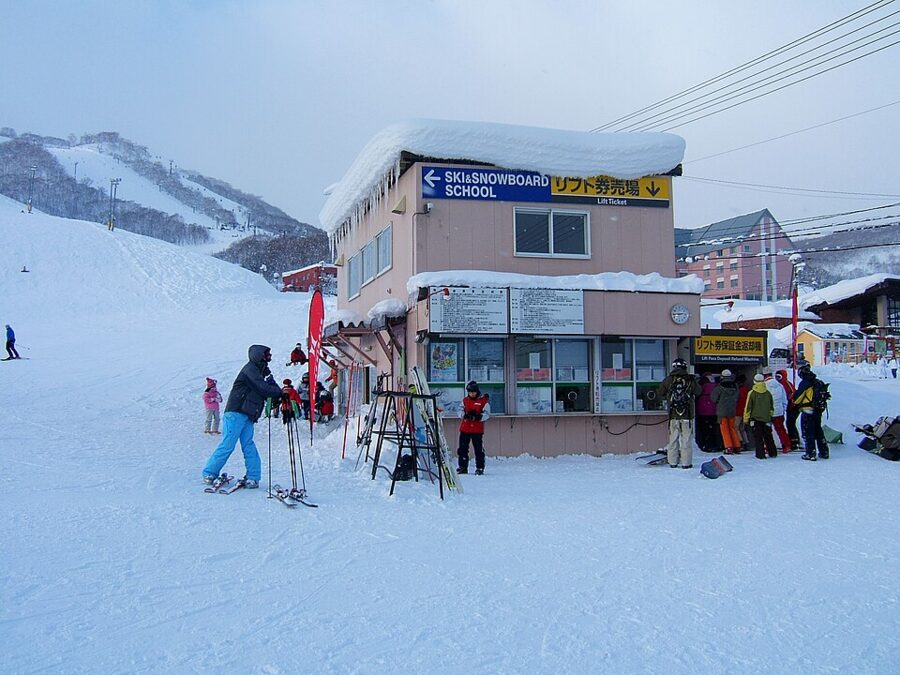
Each resort also sells its own cheaper single-area ticket, which is worth it only if you know you will not leave that side of the mountain. Ikon Pass holders get days at Niseko United depending on their pass, and Mountain Collective holders get two All Mountain days plus half price on more. On a powder week I would buy the full pass every time: the snow is never best in the same place two days running.
The Niseko Rules and the gates
For decades Niseko had a reputation it would rather not have had. Of 40 ski-related avalanche accidents recorded in Hokkaido between 1950 and 1996, 20 happened in the Niseko range, and between 1985 and 2000 nine visitors died in avalanches on Annupuri alone, the highest toll for any one mountain in Japan. Those figures come from a Hokkaido University study of how the town responded. The resorts’ answer through the 1980s was to ban everything outside the ropes, which people ignored.
In 1996 the mayor of Niseko town proposed putting avalanche information up at the resorts, and Shinya Akio, a mountaineer who had been studying the slopes on his own, agreed to produce it. Open public meetings on avalanches followed from 1997, and in 2000 the resorts, the towns and local businesses formed a joint avalanche prevention council. What came out of it were the local rules, now known as the Niseko Rules. The idea was a trade: some terrain is closed absolutely, and the rest outside the ropes may be skied through marked gates on days when conditions allow.
The rules as Niseko town publishes them for the 2026–27 season are short:
- Leave the ski area only through a gate.
- Never duck a rope to ski out of bounds.
- Outside the ski area, a helmet and an avalanche beacon are the minimum.
- When the gates are closed, nobody goes out.
- Never enter a closed area, at any time.
- Elementary school children may not ski outside the ski area on their own.
Underneath come the penalties and the advice. Search and rescue outside the ski area is charged at a minimum of ¥100,000; anyone breaking the rules can have their lift pass confiscated and be refused another; a probe and shovel are strongly recommended on top of the beacon. Niseko United prints the same list on its rules page, signed by the Niseko Annupuri Avalanche Prevention Committee.
The morning avalanche report
The Niseko Avalanche Information is the area’s official report, written by the Niseko Avalanche Institute, posted at the resorts and online in Japanese and English most mornings of the season. Read it with your breakfast. It gives the overnight temperature and wind at weather points on Moiwa, Annupuri, Niseko Village, Hirafu and Hanazono and on the coast, then a judgement in plain words.
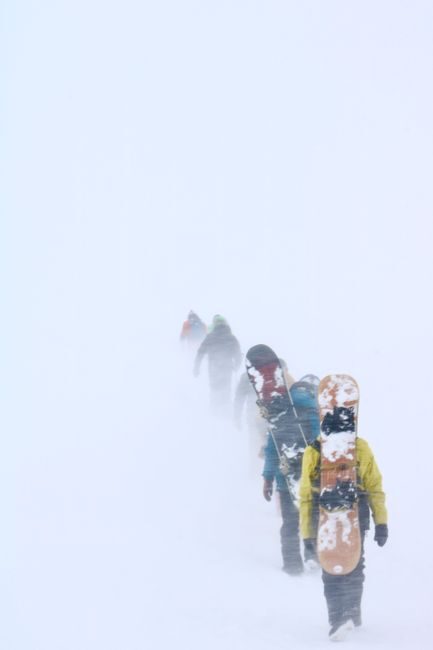
A typical bad one, issue 105 on 21 March 2026, reads like a route card. The wind had changed direction at midnight, blizzards were still running above 800 m with cornices and drifts building, and the risk was judged very high: all gates closed, keep out of leeward valleys, wait until the wind drops below 10 m/s, and carry a beacon. Every issue ends by reminding you that the information guarantees nothing, that in-bounds rescues take priority, and that out of bounds you are on your own.
Niseko town also pushes each day’s report as a free notification through the SKIDAY app, which is the simplest way not to forget it. The point is not to treat an open gate as permission. An open gate means the institute and the patrol judge the risk acceptable for someone who knows what they are doing; it does not make the slope behind it safe.
Why the ropes are closed
The fully closed zones are the valleys where the old accidents happened, steep gullies that funnel slides and where a small slope above can bury you in a terrain trap below. On Annupuri that includes the slopes known as Haru-no-Taki, the scene of past avalanche accidents. A rope there is not a resort covering itself legally. It is a line drawn by people who have pulled skiers out of that ground.
The system has worked, but it is under strain. On 29 January 2026 Niseko town put out an urgent safety notice saying that rescues of people who had ducked ropes or entered closed areas were increasing, that rescuers were being sent into extremely dangerous conditions, and that if it went on the free skiing Niseko had protected might be restricted. Read that as the locals telling you the deal can be withdrawn.
The same caution applies off the resort altogether. Kutchan town’s checklist for backcountry skiing asks the questions a guide would: is there a wind or snow warning, does the route match your skill and fitness, do you have beacon, probe and shovel, have you filed a climbing notification (tozan todoke, 登山届), and are you ready to turn back in bad visibility? Mount Yotei (羊蹄山) across the valley has drawn backcountry skiers in growing numbers this decade, and skiers were killed in avalanches there in 2023 and 2024.
Going with a guide
If you want to go through the gates and have not skied avalanche terrain before, go with a guide. The resorts’ own ski schools sell it: Hanazono’s school runs backcountry and first-tracks guiding, and Niseko Village offers guided days through Niseko United and out into the backcountry. Touring on the Niseko range and Yotei beyond the resorts, with skins and a full kit, is a different undertaking.
Hirafu, Kutchan and the quieter villages
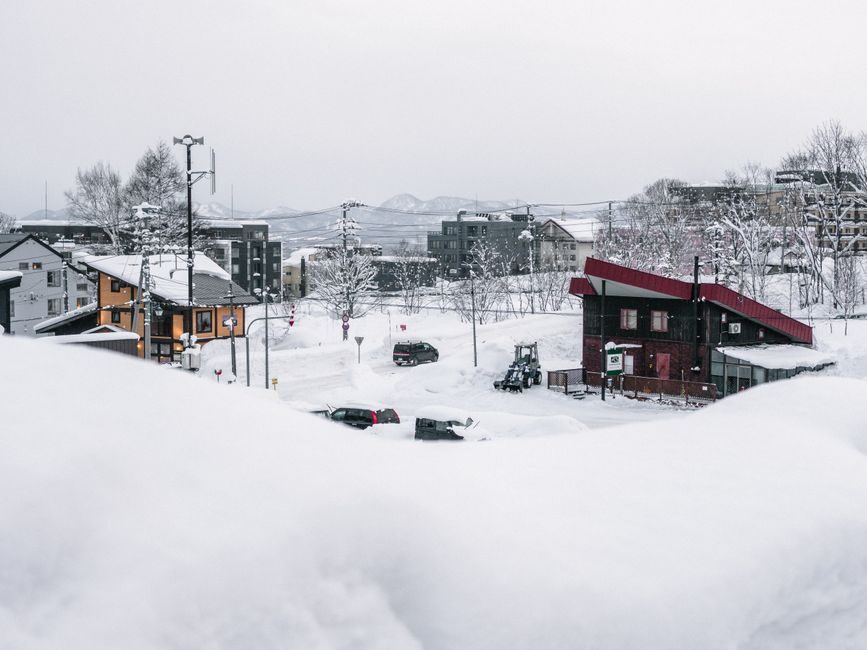
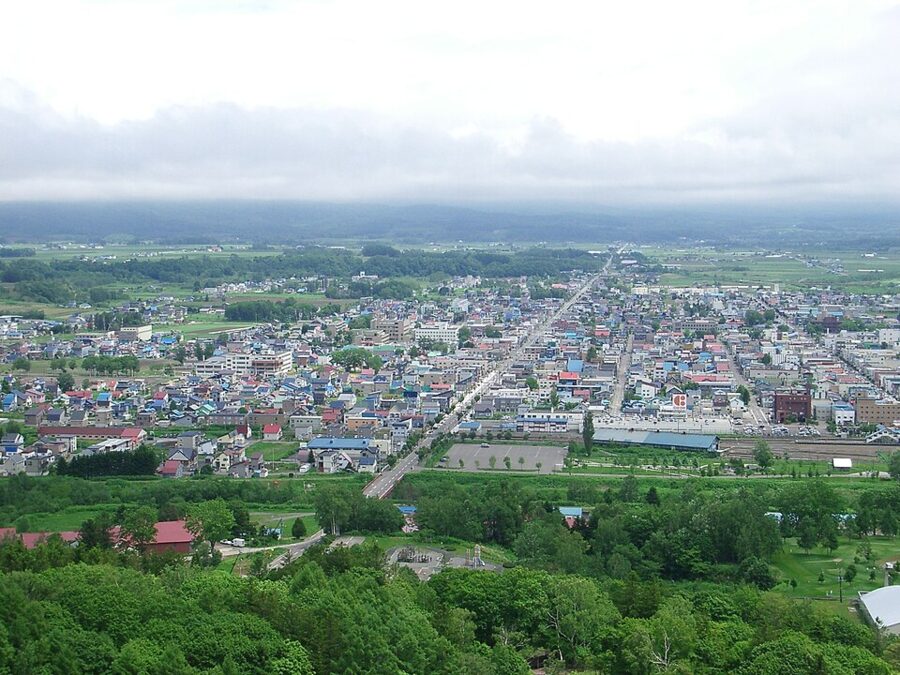
Most visitors sleep in Hirafu (ひらふ), the village on the lower slopes of Grand Hirafu, which since October 2022 has carried the official address of Niseko Hirafu in Kutchan town. It is a grid of chalets, apartment blocks and hotels that climbs the hill to the gondola, and in January it is about as international as anywhere in Japan: English menus, Australian accents in the queue, prices to match. Land in this part of Kutchan led the national table for residential price rises three years running from 2006.
Kutchan (倶知安) itself is a working town of potato farms and the regional government offices for Shiribetsu, a few kilometres down the road, on the railway. By one count from national figures in July 2026, nearly a quarter of its registered residents were foreign nationals, the highest share of any town in Japan. It is where the supermarkets, the cheaper ramen and the station are, and where the prices fall back to something like the rest of Hokkaido.

Where to sleep
At the top end are the ski-in hotels at the resort bases: the Park Hyatt at Hanazono, the Hilton, Green Leaf and Ritz-Carlton Reserve at Niseko Village. In Hirafu most beds are in self-catering apartments and chalets, the more walking distance to the gondola the higher the rate. Older pensions and Japanese-run lodges survive in Hirafu’s lower streets, around Annupuri and in the farmland, and they are where the price drops furthest.
Book early. Properties open their bookings for the following winter around March, and Christmas, New Year and the Chinese New Year weeks fill first. Since April 2026 Hokkaido has charged a prefectural accommodation tax per person per night, banded by room rate, and Kutchan and Niseko towns charge their own on top, so check whether a quoted price includes them.
For a quieter week, stay at Annupuri or Niseko Village, or in Niseko town itself, around the station and the farms south of the mountain. You give up Hirafu’s restaurants and its night skiing and gain empty mornings and a lift queue measured in people rather than minutes. I would base a powder-focused trip at Annupuri or Village and go to Hirafu for dinner twice.
Eating and onsen
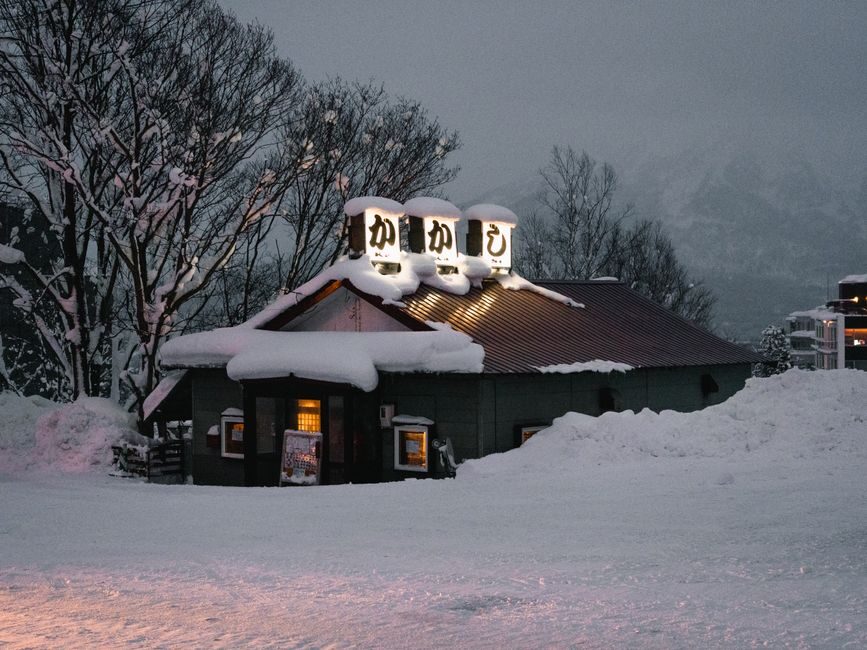
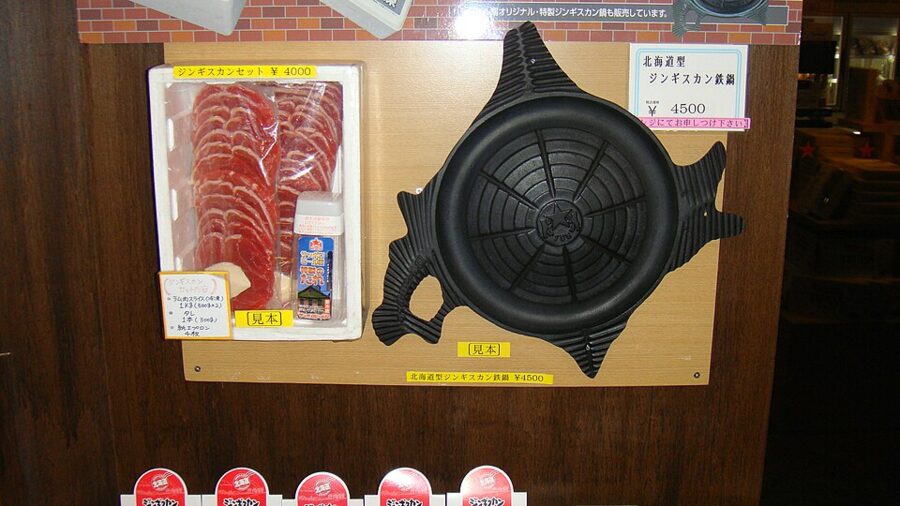
Hirafu eats like a resort town anywhere: sushi counters, burgers, food trucks, wine bars, at resort prices and with bookings needed in January. The local food is worth seeking out on its own terms: Hokkaido potatoes and dairy from the farms you drive past, ramen in Kutchan, jingisukan (grilled lamb) and the seafood that comes in from the coast. Taxis are scarce at night in peak weeks, so plan how you are getting home before the second drink.

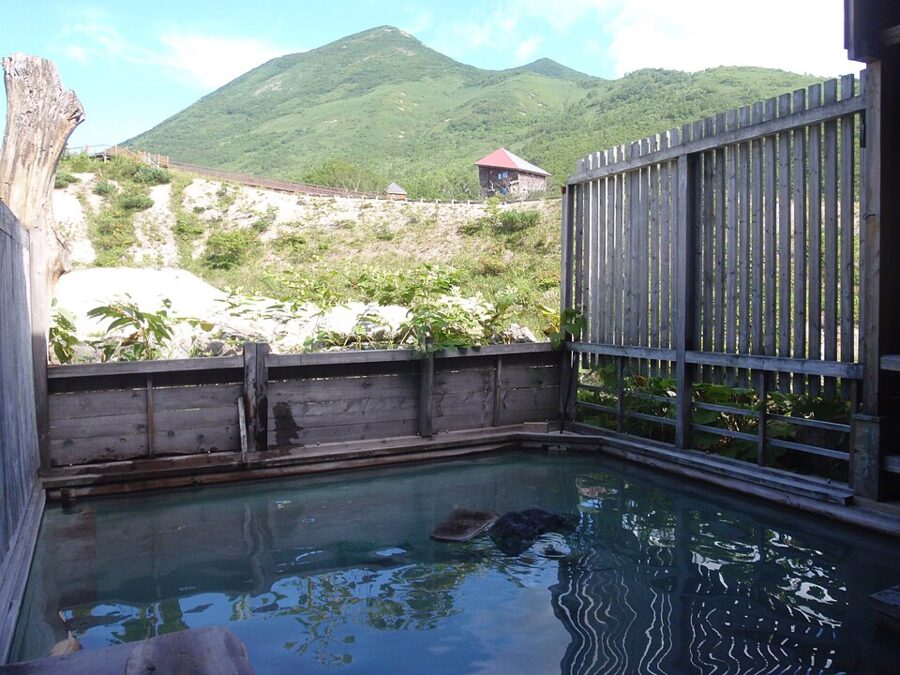
The Niseko area has hot springs all round the mountain, many with their own source and a wide spread of water types, and an old newspaper headline called the area the St Moritz of the East for its skiing and onsen. Most resort hotels have a bath open to day visitors. The classic is Goshiki Onsen, high on the western side below Iwaonupuri, a sulphur spring with an outdoor pool and the start of the summer trail up Annupuri.
The season, month by month
All four resorts are scheduled to open on 28 November 2026. Niseko Village closes on 4 April, Hanazono on 11 April, and Annupuri and Grand Hirafu run to 5 May 2027. First snow fell on Annupuri on 22 October this year. Last season was a warning against booking the first week: the lifts opened on 4 December and the base stayed thin until after Christmas.
December is a gamble that usually pays from the middle of the month. January is the reason people come: cold, storm after storm, and last winter more than half the season’s snow. February is still deep winter, with the base at its deepest. March turns towards spring, with fewer storms, sunnier days and the first crusts on south faces.
April and early May are spring skiing on the upper mountain at the cheapest prices of the year, with Grand Hirafu and Annupuri the ones still running.
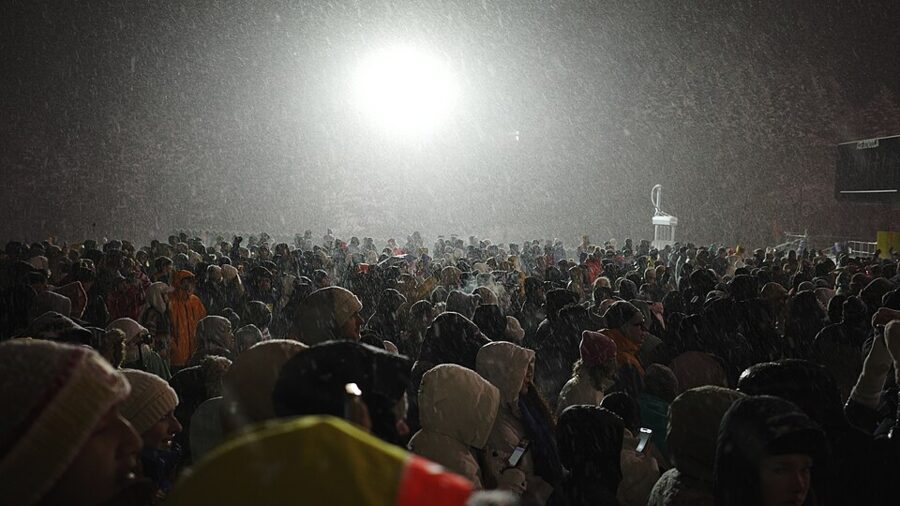

The crowds follow the calendar, not the snow. Christmas to New Year is the busiest stretch, and Chinese New Year, which falls on 6 February in 2027, brings a second surge across the following week. The second half of January, after the New Year crowd leaves and before Chinese New Year, is the best snow-to-crowd ratio of the winter. If you can only take one week, take that one.
Night skiing runs from 12 December to 22 March, and new direct flights into New Chitose from San Francisco (United, from 11 December) and Vancouver (Air Canada, from 17 December) start this winter. Expect more North Americans than before; the snow does not care.

Getting there
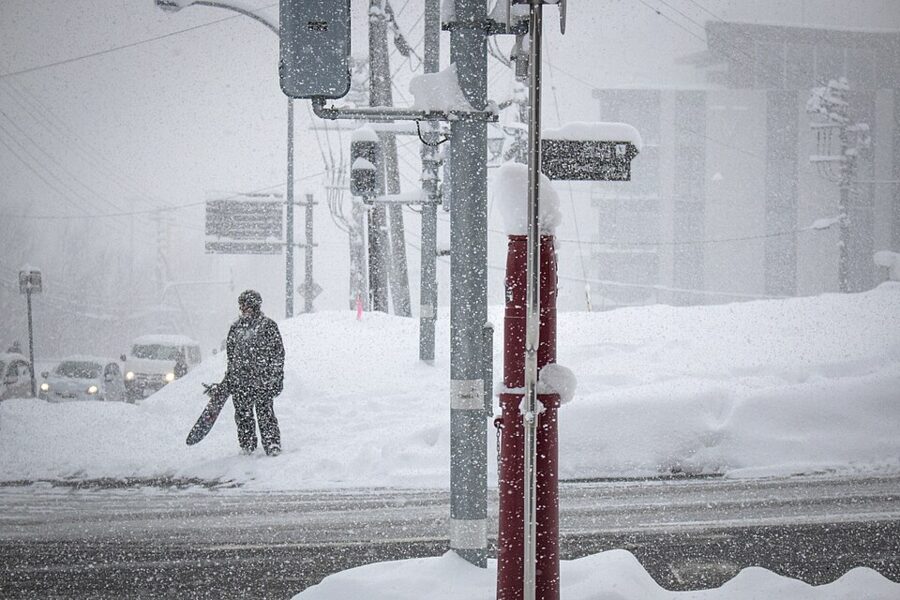
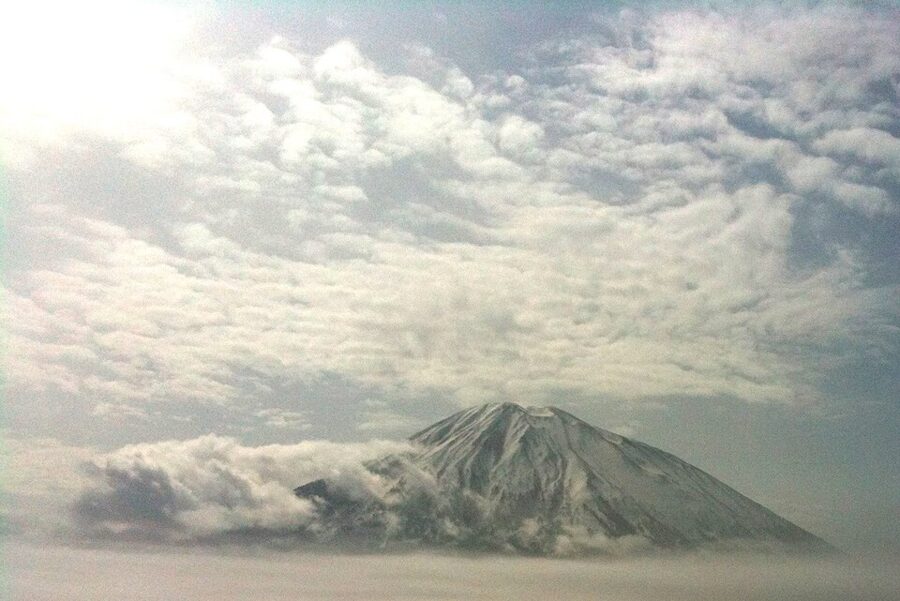
Almost everyone arrives through New Chitose Airport, south of Sapporo, and Niseko United reckons the transfer at about two and a half to three hours, depending on the weather and the road. In a blizzard it can be a good deal more. If your flight lands after dark in January, consider a night near the airport or in Sapporo and travel the next morning.
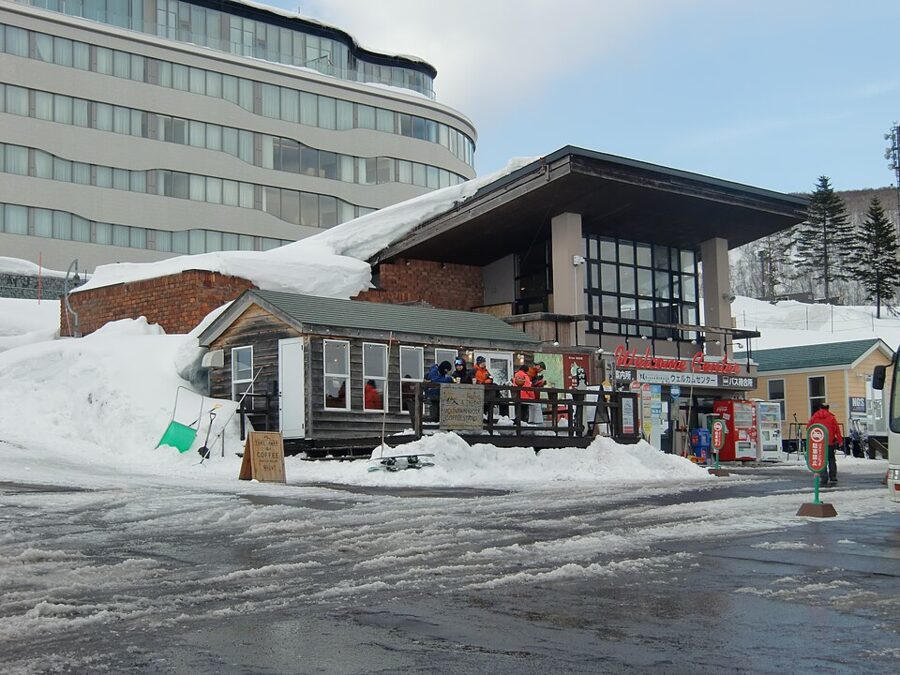
The simplest way in is a reservation-only ski bus straight to the resort bases. Last winter Hokkaido Chuo Bus ran its airport and Sapporo service to Niseko from 13 December to 22 March, at ¥6,000 one way from the airport, taking about 2 hours 56 minutes to Annupuri and 3 hours 33 minutes to the Hirafu Welcome Centre. Several other companies run similar winter buses, and many lodgings book transfers. Check the 2026–27 timetables when they are published, because dates and fares change.

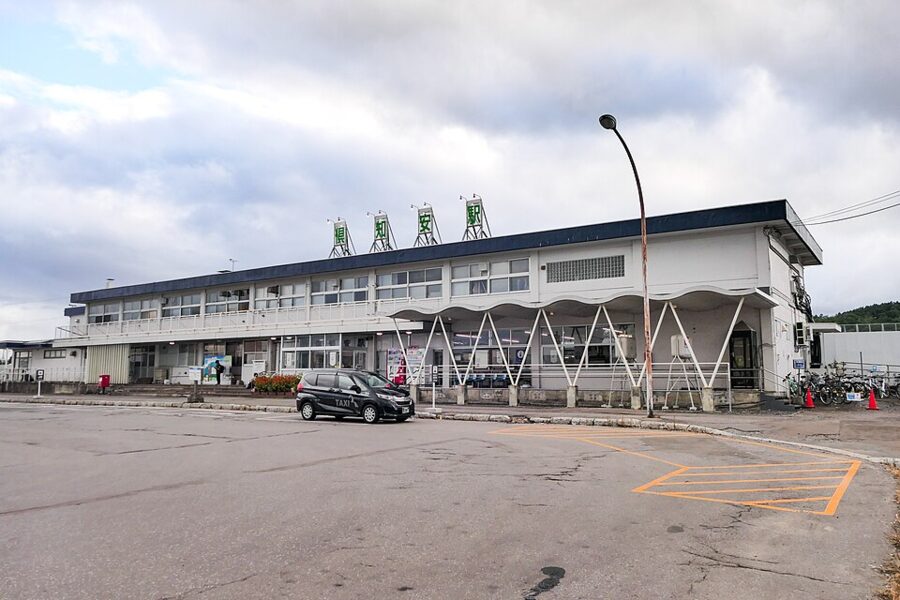
From Sapporo, Chuo Bus also runs the Highway Niseko service from Sapporo Station, about three hours to Niseko town; its summer 2026 timetable had three departures a day. The train is slower but steady. JR Hokkaido’s Hakodate Line runs from Sapporo to Otaru, where you change to a local train for the climb inland to Kutchan, about 1 hour 15 minutes from Otaru with a train every hour or two. Niseko Station is one stop beyond Hirafu Station on the same line.
Neither station is at the lifts. From Kutchan it is a taxi or bus to Hirafu; from Niseko Station it is about ten minutes by car to Annupuri. Drive yourself and Sapporo to the resorts is about two hours in good conditions over the hills, longer in snow. Rent a four-wheel-drive car on winter tyres, allow for whiteouts on the passes, and do not count on parking in Hirafu village.
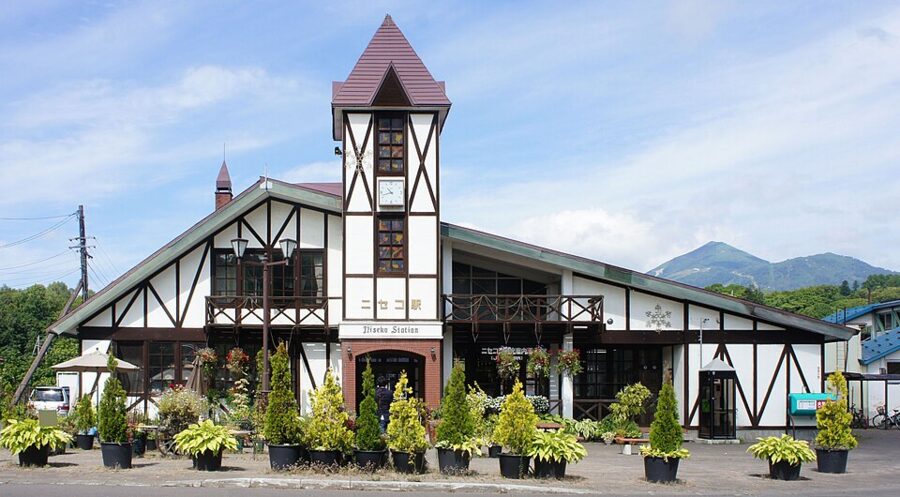

The Hokkaido Shinkansen will one day stop at a new station in Kutchan on its way from Shin-Hakodate-Hokuto to Sapporo. Do not plan around it yet. The original target of 2030 has gone, and in March 2025 the transport ministry’s expert panel concluded that the extension would open at the end of fiscal 2038 at the earliest, because of tunnelling problems. When it does open, the local Hakodate Line from Oshamambe to Otaru, the line through Niseko and Kutchan, is to give way to buses.
When the snow goes
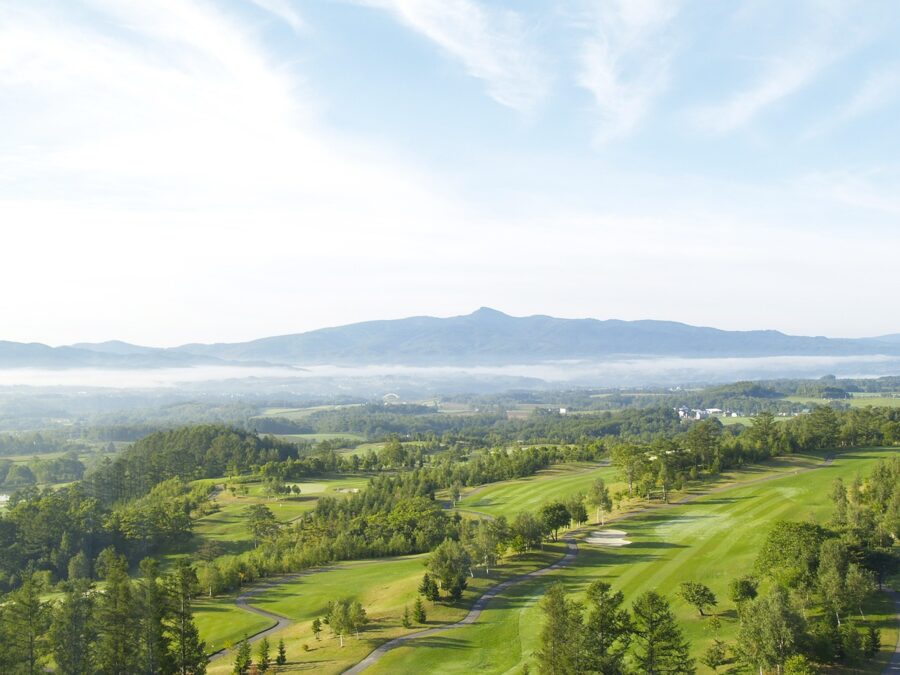
Niseko was an outdoor town before it was a ski town, and in summer it changes sport rather than closing. Since the late 1990s, summer visitor numbers in Niseko town have overtaken winter ones. The farms come back, Yotei loses its snow by midsummer, and the hills turn from white to the green of beech and birch.
Mount Yotei
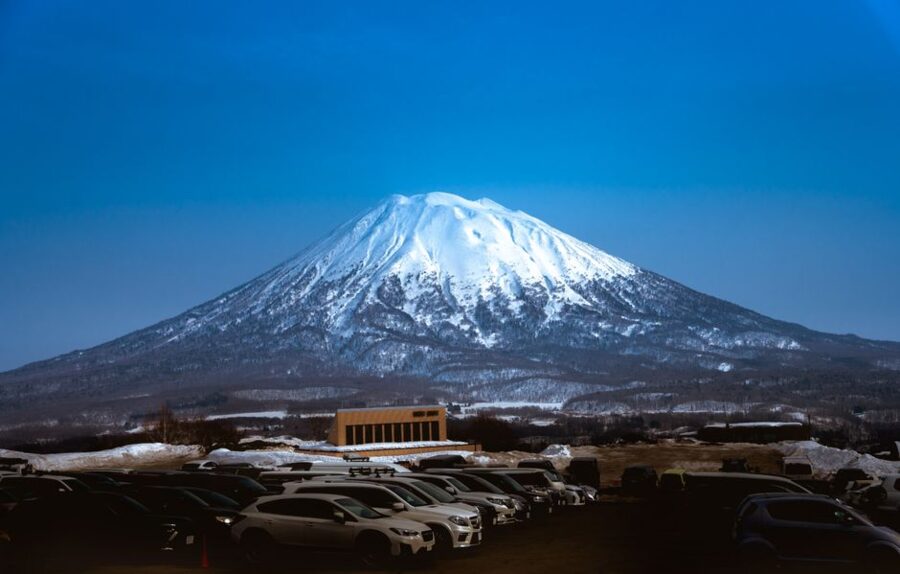
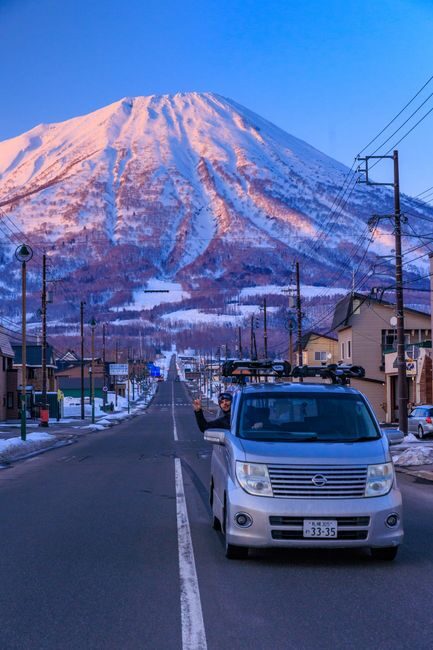
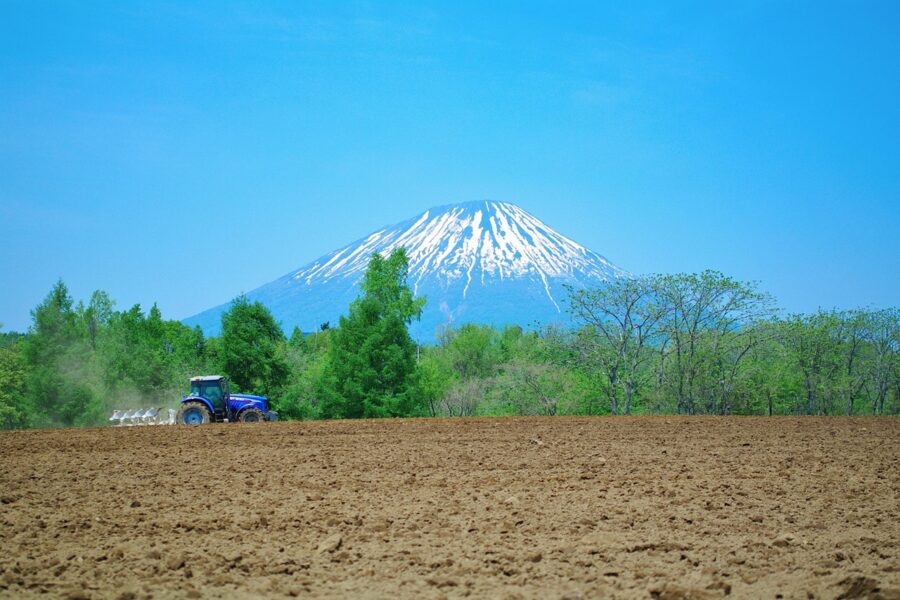
Mount Yotei, the near-perfect cone across the valley, is the climb most people come for. It is 1,898 m on the Geospatial Information Authority’s figures, it sits in Shikotsu-Toya National Park, and the Japan Meteorological Agency lists it as an active volcano, with its last eruption about a thousand years ago. Four trails climb it, from Kutchan-Hirafu, Makkari, Kimobetsu and Kyogoku, and each is four to six hours up, a long, steady day with the descent still to come.
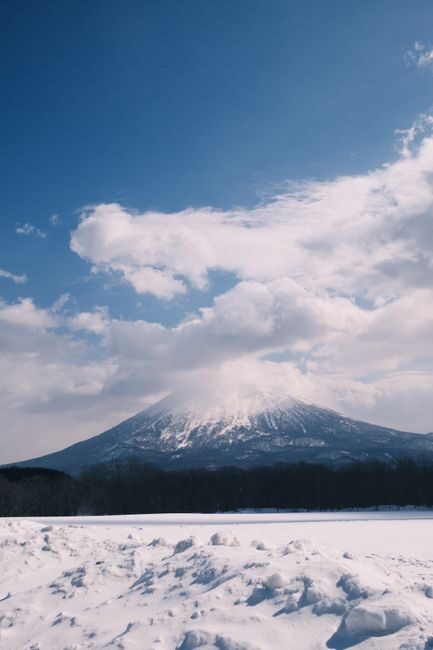
There is one refuge hut, between the ninth stations of the Hirafu and Makkari routes. Kutchan town says the Yotei refuge hut is staffed from mid-June to mid-October, sells no food or water, takes no more than ten overnight users a day, and should be booked before you fix your flights. In winter Yotei is serious ski-mountaineering terrain with the accident record above.


Annupuri on foot
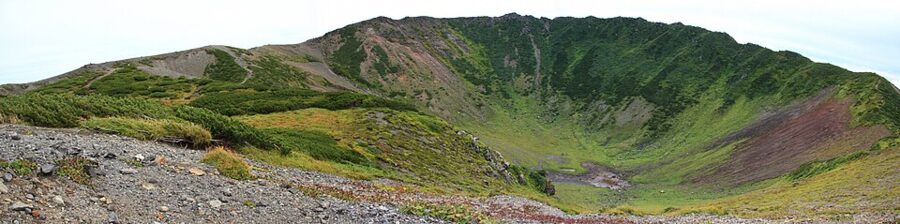
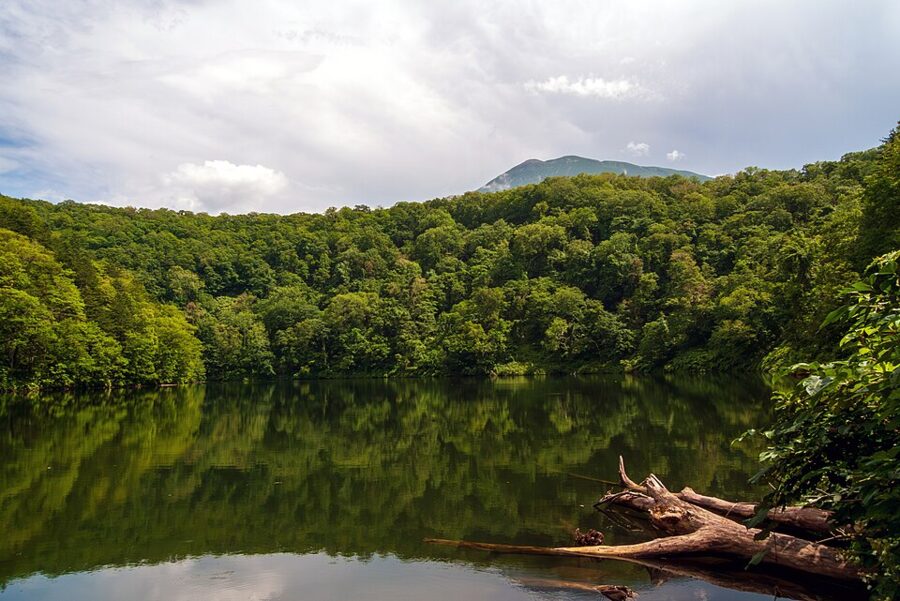
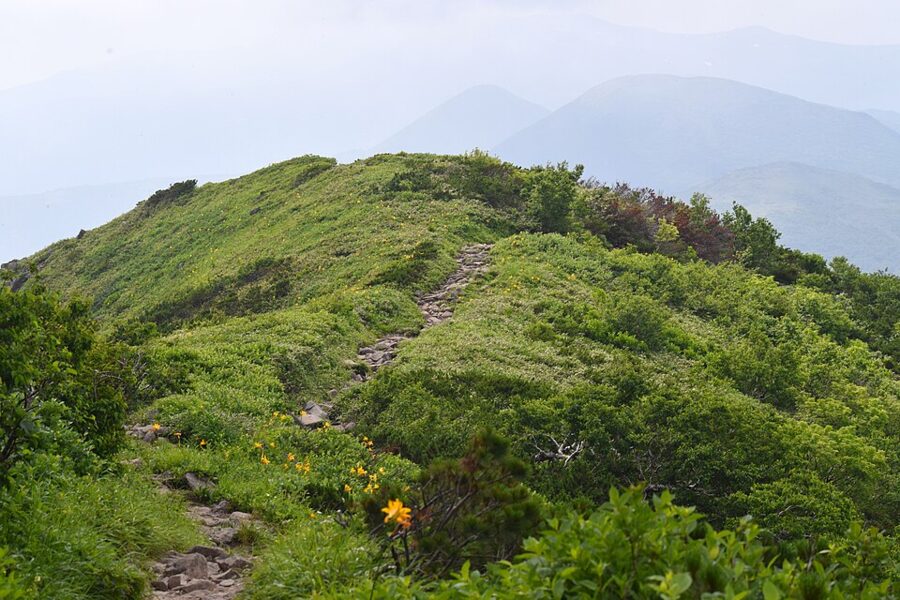
The ski hill makes an easy summer summit. Trails climb Niseko Annupuri from Goshiki Onsen on the northwest side and up the Mikaerizaka route from the south, and in summer the Grand Hirafu and Annupuri lifts give you a head start to routes from the top stations. The views over the Niseko range to the sea and across to Yotei are the reward. It is the right half-day for a rest day or a warm-up before Yotei, and the wider guide to hiking in Japan covers huts, maps and seasons.

The Shiribetsu River
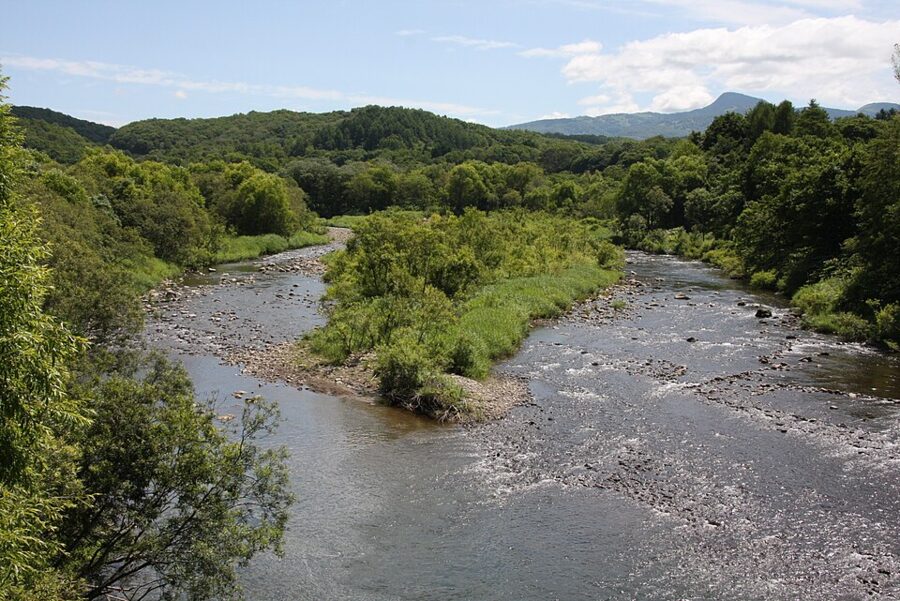
The Shiribetsu River loops round the north side of Yotei and out to the Sea of Japan, and the national river authorities have repeatedly ranked it among the cleanest rivers in Japan. Commercial rafting here started in the mid-1990s. NAC, the Niseko Adventure Centre, has been running it since 1995 and still does: snowmelt rafting in April and May, when the river is at its biggest, gentler family trips through the summer, and a new winter float through the snow.

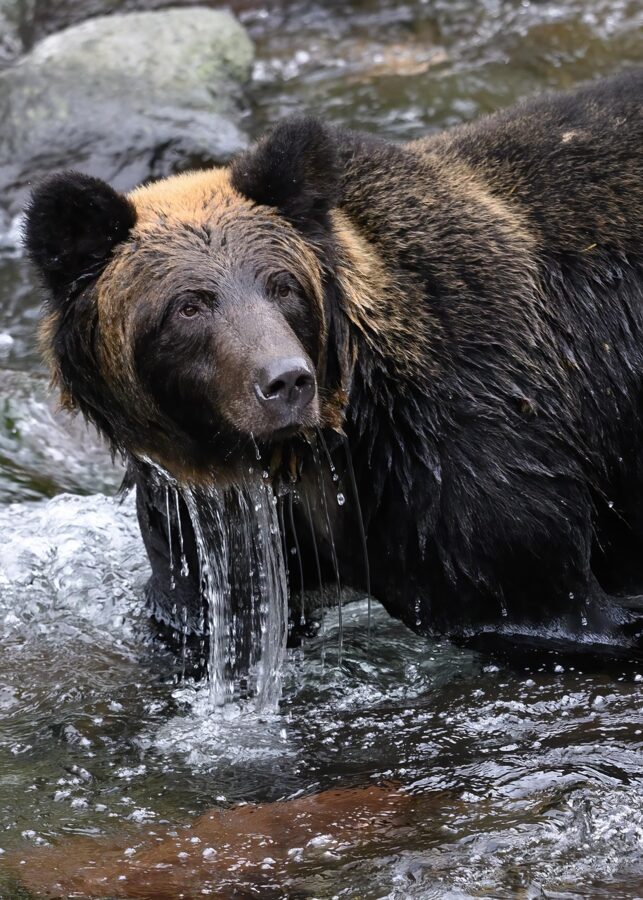
The resorts keep their gondolas and some lifts turning for summer and add their own attractions: Hanazono’s zipline, golf courses at Hanazono and Niseko Village, mountain biking, canyoning and horse riding. Through all of it, remember where you are. This is brown bear country, and the forest trails on Annupuri and Yotei are their range as much as yours; read up on bears in Japan and carry a bell and spray.
Come back to the gate on the summit ridge in January. Before you are standing in front of it you will have read that morning’s report over breakfast, checked the wind at the 1,000 m stations, and know whether the institute closed it at dawn. If the wind is under 10 m/s, the report is good and you have a beacon, probe, shovel and a partner, go through. If any one of those is missing, ski the trees inside the rope; the gate will be there tomorrow.