
At 08:30 the Kitanomine Swift Lift No. 1 starts turning. The Furano Ropeway on the other side of the hill waits until 09:00, and on a -20°C morning after a night of snow that half hour is the first decision of the day: take the early chair and work across the mountain, or stand in the queue at the ropeway and be among the first 101 people to the top of the Furano Zone.
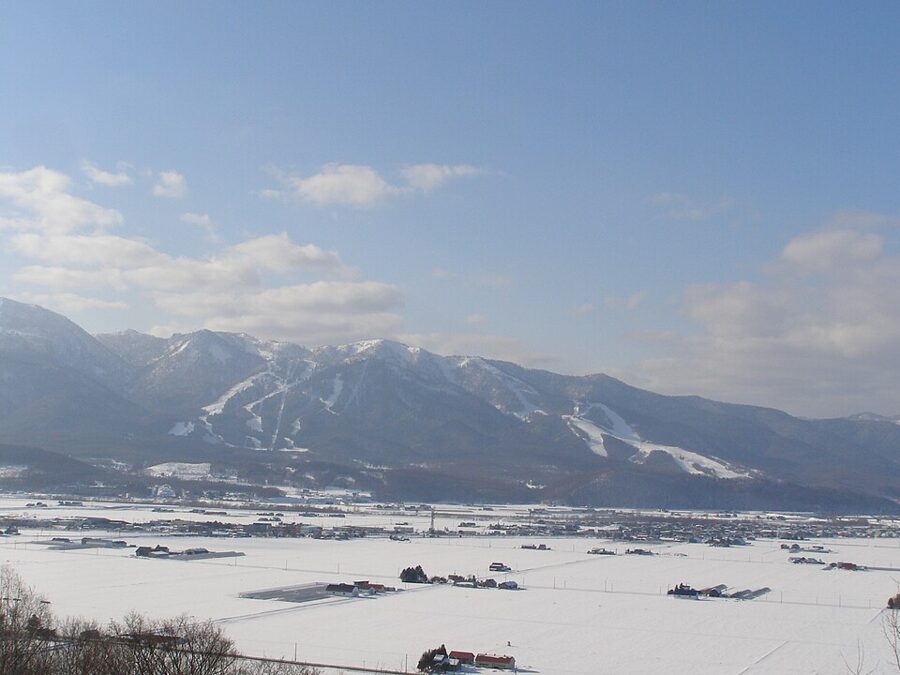
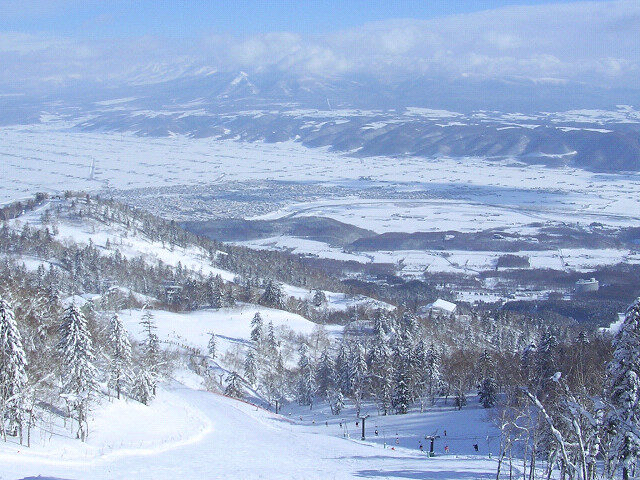
Furano (富良野) Ski Resort is one hill with two faces on the eastern flank of Furano Nishidake (富良野西岳, 1,331 m), in the middle of Hokkaido. It has 28 runs over 194 ha, a 101-person ropeway, a six-person gondola, seven chairlifts and a longest run of about 4,000 m. One ticket covers both zones, and the bottom of the Kitanomine side is a short taxi ride from the station of a working farm town that does not close when the lifts do.
The snow is the other reason to come. Furano sits in a basin ringed by mountains, the cold air pools in it overnight, and what falls is lighter and drier than on the coast. It falls in smaller amounts than at Niseko, but it lands cold and stays cold. That trade, volume on the west coast against cold in the interior, is the main fork in Hokkaido skiing, and Furano is the easiest place to try the interior side of it.

Contents9 sections
The hill: two zones, one ticket
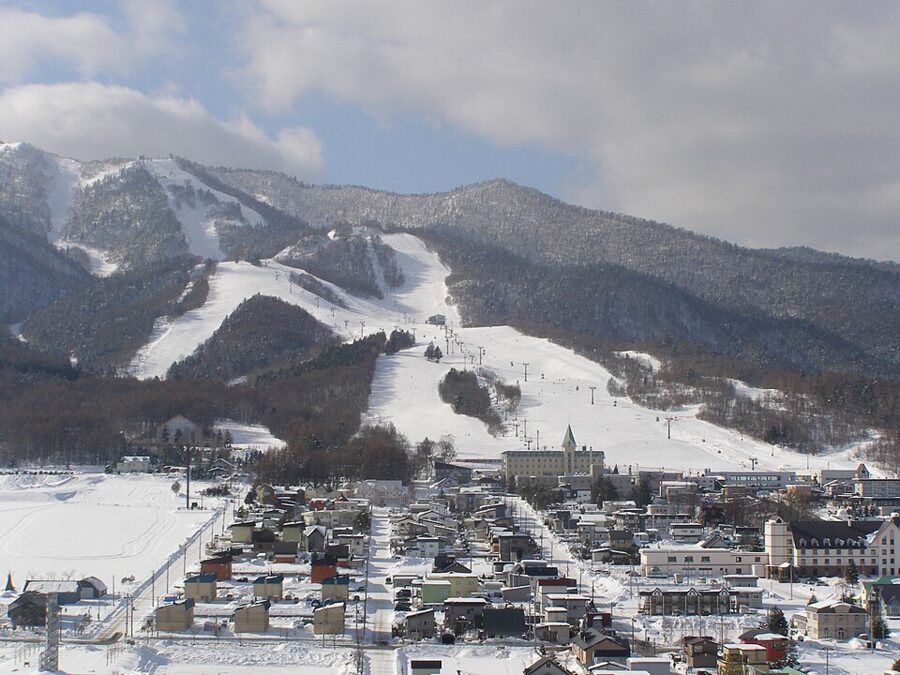
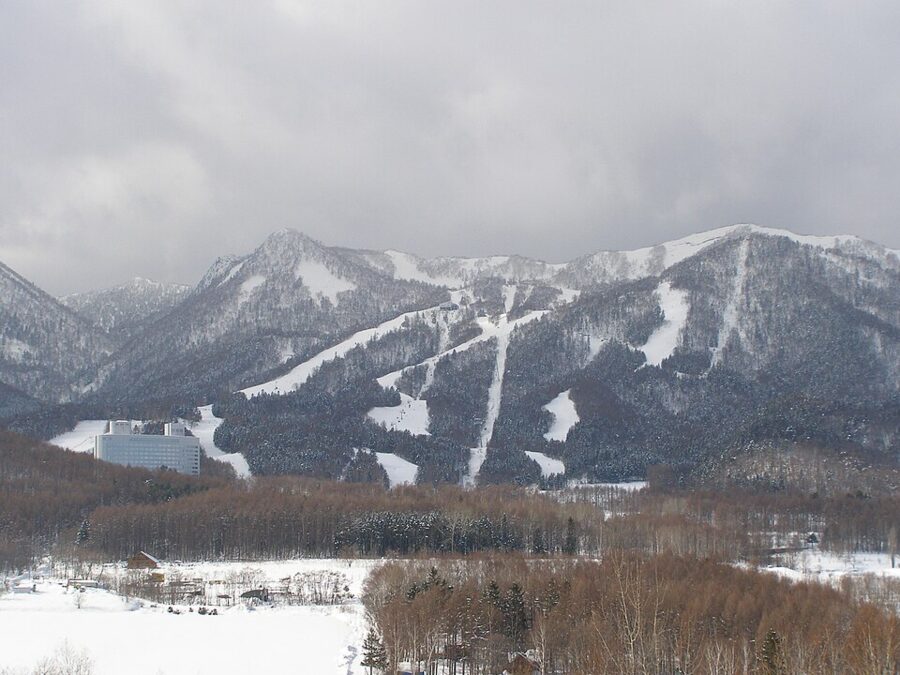
The resort splits down the middle. The Kitanomine Zone (北の峰) is the old ski area above the town, the north end of the hill, served by the Kitanomine Gondola, two chairs and a link lift, with its top station at 943 m. The Furano Zone, to the south, opened in 1982 beside what is now the Shin Furano Prince Hotel and climbs higher: the ropeway lifts you to about 900 m in one 2,330 m span, and a two-seat chair above it carries you on to the top of the resort, close to its high point of 1,074 m.
The two connect at the top. From the ropeway summit the H1 run, 1,500 m long, drops you into the Kitanomine side, with a nearly flat section in the middle where you have to push. The way back is the Link Lift, a 931 m double chair from the Kitanomine base area towards the Furano Zone. Plan the crossing for the middle of the day, not the last hour, because missing the last Link Lift means a taxi or a bus round the bottom of the hill.
The resort describes its terrain as 40 percent beginner, 40 percent intermediate and 20 percent advanced. That is a fair description. This is a hill of long, wide, consistent pitches with a small amount of genuinely steep ground at the top of each zone, and it is better at cruising than at extremes. A strong skier will have the groomed runs worked out in two days and will spend the rest of the week hunting the ungroomed corners and the powder after a storm.
Seibu Prince and the World Cup years
Skiing here began with a hut. In 1931 a local man, Hayashi Jiro, built a mountain hut on Furano Nishidake and named it the Kitanomine hut, and the name stuck to the slope below it. Townspeople put up the money for a company, a lodge and lifts, and the Kitanomine ski area opened in 1962. Prince Hotels, part of the Seibu group, took it over in 1972 and has run it ever since; the operator today is Seibu Prince Hotels Worldwide, which also owns the hotel at the bottom of the Furano Zone.
The FIS Alpine World Cup came in 1977, and the hill was renamed Furano Ski Area for the occasion. By 1995 it had hosted ten World Cup meetings, the downhill of the 1991 Winter Universiade was raced here, and the snowboard World Cup came two years running to 2007.
The Furano Tourism Association counts twelve World Cup events in all, more than anywhere else in Japan. You still feel it in the runs: the race pistes are long, fall-line and fast, and the racing has not stopped. The G3 run on the Kitanomine side closes on 13 February 2027 for the 39th Serge Lang Cup and on 5–7 March for a youth race, and F2 closes on 31 January for a primary-school giant slalom.
One small piece of history explains the numbers on old trail maps. For decades the resort gave its top elevation as 1,209 m. In 2016 an outside surveyor pointed out it was nearer 1,065 m, the resort had it checked, and from the 2016–17 season the top became 1,074 m and the bottom 235 m instead of 245 m. Guidebooks that still say 1,209 m are older than that correction.

Basin cold: what the snow is made of
The Japan Meteorological Agency’s station in Furano town, at 174 m on the basin floor, gives the plainest picture. The 1991–2020 normals for Furano give a January mean of -8.3°C, an average January low of -14.4°C and 628 cm of snowfall in a year. The record low is -34.5°C, on 29 January 1977, the winter of the first World Cup. The lifts sit higher and get more snow than the town, but the cold comes from the same place.
| Month | Mean temperature | Average daily low | Snowfall | Deepest snow on the ground |
|---|---|---|---|---|
| November | 2.1°C | -2.1°C | 72 cm | 23 cm |
| December | -5.1°C | -10.2°C | 159 cm | 46 cm |
| January | -8.3°C | -14.4°C | 145 cm | 64 cm |
| February | -7.4°C | -14.0°C | 121 cm | 73 cm |
| March | -2.2°C | -7.8°C | 110 cm | 71 cm |
| April | 5.3°C | -0.2°C | 22 cm | 23 cm |
It is the rule of thumb for all skiing in Japan: the further north and inland, the colder and lighter the snow, and the less of it. Furano is close to the far end of that scale.
The low numbers matter more than the totals. Since 2022 the town has studied its snow with researchers from the Kitami Institute of Technology and Hokkaido University, and the figure it now publishes is the snow-to-water ratio: 2.65 cm of snow per millimetre of precipitation in the December–March normals, the highest of the major Hokkaido ski areas. Above 2.0 counts as dry snow. The same work found that in this cold, fresh snow changes slowly after it lands, so a powder day at Furano stays a powder day into the afternoon.
The project behind it, Furano bonchi powder (bonchi, basin), turns this into a score from 0 to 100 calculated from the 05:00 observations, and calls 50 or more a bonchi powder day. Over the last ten winters that has meant about 34 such days a season between December and March. The winter lows in each of the last three winters reached -22 to -27°C at the town station, which is the other half of the story: dress for the chairlift, not for the base lodge.
Cold has a cost. A 2,330 m ropeway ride is warm; a long double chair in a north wind at -18°C is not, and the fingers go first. Carry a spare pair of mitts, a face covering that does not fog your goggles and a hand warmer for the phone, which will die in a pocket on the outside of a jacket before lunch.

Furano or Niseko
The comparison everyone makes is with Niseko, four linked resorts on one volcano near the west coast. Kutchan, the town below Niseko, records 921 cm of snow a year and a January mean of -5.4°C; Furano records 628 cm and -8.3°C. Niseko has more snow, more lift-served steep ground, the most English in Japan and the longest storm-day queues. Furano has colder, lighter snow, shorter queues outside the New Year holiday, and a town where dinner costs what it costs anywhere else in Hokkaido.
The prices make the point: a regular-season adult day at Furano is ¥9,000 at the window, a peak-season Niseko All Mountain day ¥13,500. Both are on the Ikon Pass, but they are a full day’s travel apart, and I would not try to do both in a week. Pick one end of the island.
Kitanomine Zone
Kitanomine is the side for skiers who want to start early and stay close to town. The Kitanomine Swift Lift No. 1, a 1,058 m high-speed quad, opens at 08:30 and the Kitanomine Romance Lift No. 2 at 08:45.
The Kitanomine Gondola, six-person cabins on a 2,958 m line, opens at 09:00 and takes about ten minutes to the top. The zone runs a shorter season than the Furano side: it is planned to open in late December and to close on 22 March 2027.
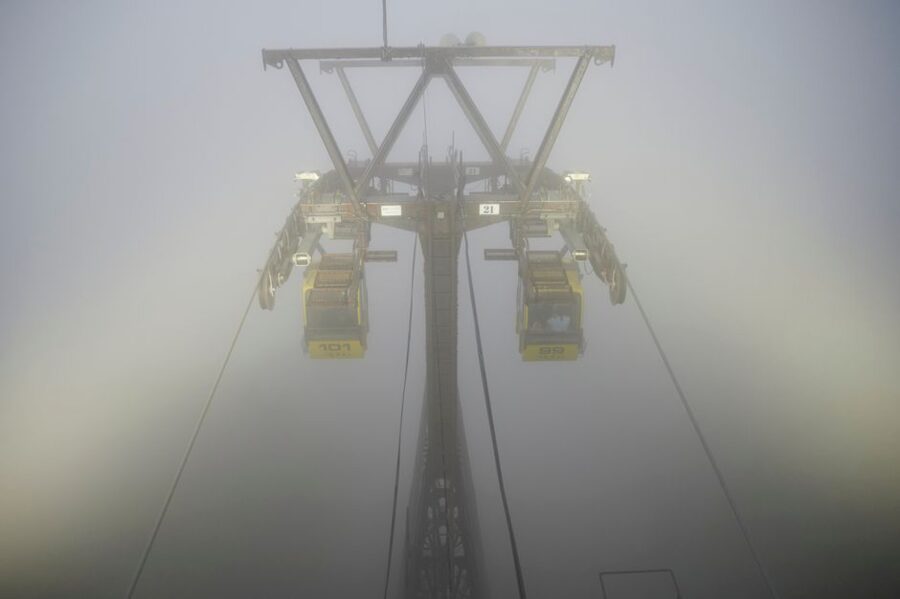
Beginners should not take the gondola. Every run from its top station is intermediate or harder, and the easy terrain on this side is all on the lower lifts. F4, F5, F6 and F7 are wide, gentle runs between 690 m and 1,170 m long with average gradients of 7–10°, and F6 is a single broad slope that the resort recommends for the step from beginner to confident. F1, at 1,900 m, is the long green run through the forest down towards the old Furano Prince Hotel, which has been closed since 2020.
The good runs on this side start at the gondola. K1 runs 1,320 m from 942 m with a short pitch of 29°, and its top is where to stop and look: the whole Tokachidake and Daisetsuzan range is laid out across the basin. G3 is a 660 m intermediate run averaging 18°, the kind of fast, even fall line that the resort calls a cruising run, and F2, 880 m lower down, is the one the resort sets aside as suited to race training. G2, 410 m at 18° average, faces the town.
The steep ground is short. K2 is a 280 m ungroomed bowl of moguls with a maximum of 34° and an average of 27°, the steepest sustained pitch on the hill. K3, 340 m, is a mogul run at 23° average; K4, 360 m, a short advanced run. None of them is long, so lap them on the gondola or the upper chair rather than skiing to the bottom each time.
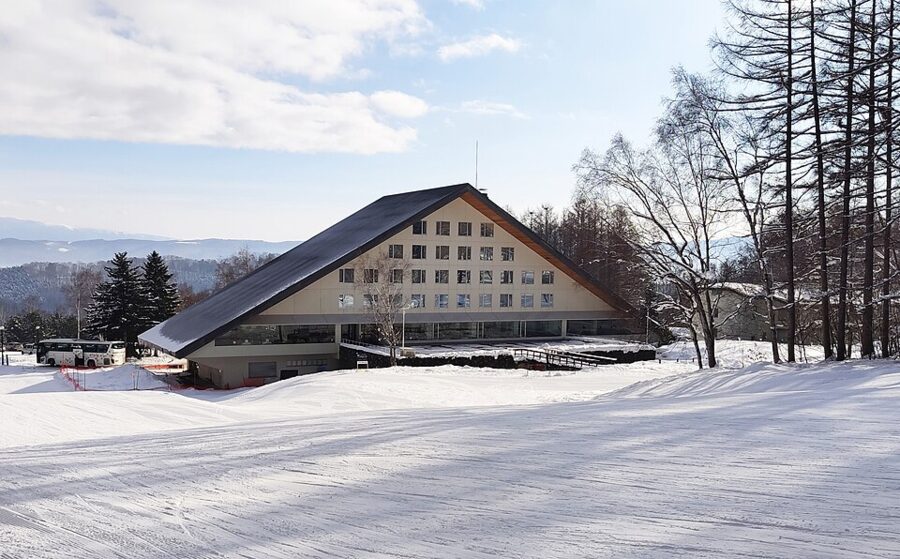

The base is practical rather than pretty. The Kitanomine Terminal beside the gondola station has the main rental shop, the counter of the Furano Ski School beside the Kitanomine Swift Lift No. 1, Furano Curry Jam on the ground floor and Ezo no Ajidokoro Cise, a restaurant with a view over the town, upstairs. Day visitors should start here: the resort itself recommends the Kitanomine rental counter for anyone not staying at the hotel.
Furano Zone
The Furano Zone is the bigger, higher half of the hill, and the one most people mean when they say Furano. The ropeway leaves from beside the Shin Furano Prince Hotel and runs from 09:00 to 16:00, with 101 people in each cabin and a single 2,330 m span to about 900 m.
The Furano Downhill Swift Lift No. 1, a 1,944 m hooded quad, covers the lower and middle mountain, and the Downhill Romance Lift No. 3 goes from beside the ropeway’s top station up to 1,064 m. This side is open from 28 November 2026 to 5 May 2027.
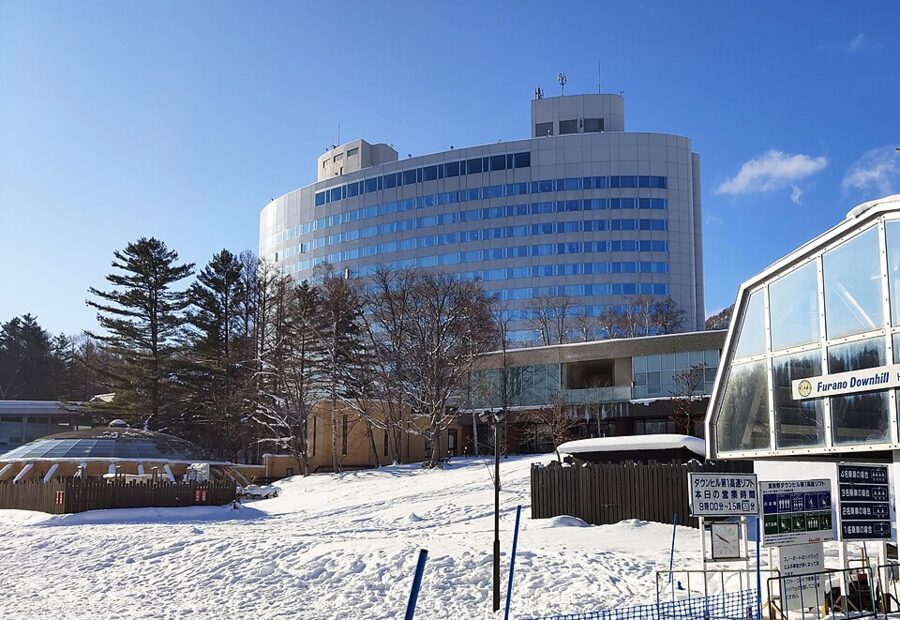

Start at the top. E1 and E2 are the two runs off the summit, both on the north-facing slope at the highest point of the resort. E2 is 620 m at an average of 17° with a 31° section, graded intermediate. E1 is 430 m, advanced and partly ungroomed; the resort describes it as a steep slope of powder and moguls with the best view on the hill.
On a clear morning after snow, these two are the reason to be in the first ropeway cabin.
Below the ropeway station the hill opens up. A1, 850 m, peels off to the right of the top station. A2 is 1,750 m through birch forest from 705 m to 323 m, a long intermediate run with a beginner section at the top. A3 is the race-flavoured one: 1,770 m from 792 m to 335 m, 457 m of vertical at an average of 15° with a 30° pitch and moguls where the gradient bites.
A4, 500 m at 17° average and 29° maximum, is left ungroomed and is the place to look for powder after a storm.
Beginners are well served at the bottom of the Furano Zone. There are two snow escalators, 35 m and 75 m, beside the hotel for first-day skiers and children, the Prince Romance Lift serves the gentle C1 run, and B1, 1,410 m from 757 m at a steady 12°, is a long, wide green run with a short intermediate section at the top. C1, 700 m and wide, is the run the schools use for first lessons. A beginner who can make it down B1 has the whole lower half of the Furano Zone to play on.
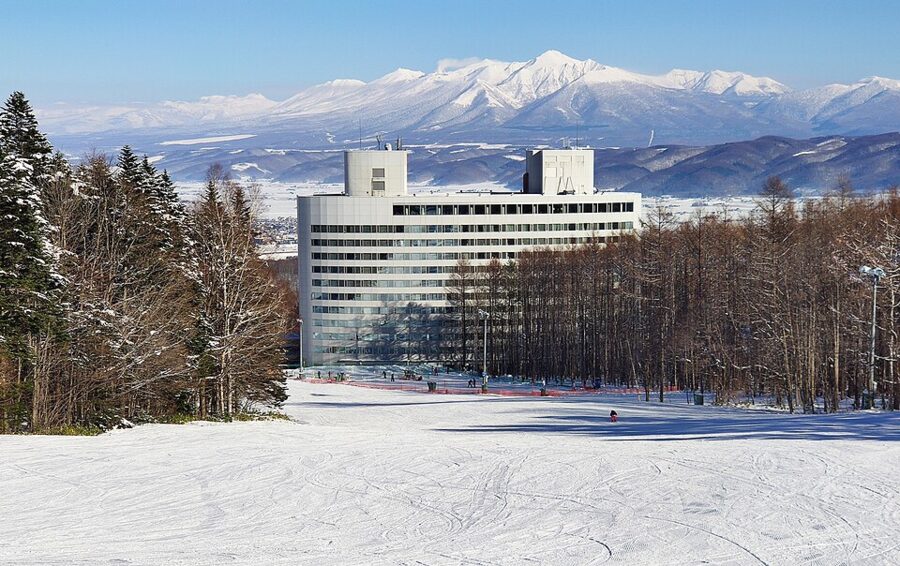

Eat at the top or at the bottom, not in between. Restaurant Downhill sits beside the ropeway’s top station, with toilets on its ground floor, and is the natural place to warm up between E-run laps. At the bottom there is a ramen counter run by Hokkaido Tomikawa beside the ropeway station, a coffee stand in the free rest area, and in the hotel a lunch service on the twelfth floor and, for part of the season, a dim sum buffet on the ground floor where you can sit down in ski boots.
Powder, trees and the boundary rope
The resort’s ungroomed ground is in three kinds of place. Some marked runs are left ungroomed or partly so: A4, E1 and K2 on the trail map. The Premium Zone, above the Kitanomine side, is a separate expert-only powder area of 830 m with 325 m of vertical, an average of 23° and a maximum of 34°.
It opens only when the snow allows, and the resort’s status board says plainly when it is shut, down to the reason: its latest note marks the area closed because a crack had been found in the snow. Check the board, or ask the patrol, before you ride up for it.
The third kind is everything beyond the rope, and Furano’s rules are firm. The resort’s safety rules say you may leave the managed area only through a designated gate; anyone caught ducking a rope can have their lift ticket taken away without a refund. Before you go through a gate, hand a climbing notification (登山届, tozan todoke) to the ski patrol. The resort is clear that filing one does not make it responsible for finding you, and that the cost of any search or rescue outside the area is the skier’s.
The same page lists what the patrol worries about, and it is a good list: tree wells at the boundary, deep snow, avalanches, big drops and cracks, and the fact that slopes of 30–40°, exactly the ones that ski best, are the ones that slide most. Carry a beacon, shovel and probe and know how to use them, ski in sight and earshot of a partner, and keep away from the base of trees, where the snow settles into a hole that will hold a skier upside down. The patrol will tell you what the off-piste is doing if you ask, and on a fresh morning it is worth the five minutes.
Night skiing and first tracks
Night skiing runs on one lift in each zone: the Prince Romance Lift in the Furano Zone from mid-December, and the Kitanomine Swift Lift No. 1 from late December, both until 21 March 2027. On weekdays the lights are on from 16:00 to 18:00; at weekends, on public holidays and from 26 December to 3 January they stay on until 19:30. A night ticket costs ¥3,100 on weekdays and ¥3,900 at weekends, and a day ticket is valid until the end of night skiing, so there is no need to buy both.
The resort sells early mornings too. On set days between 19 December and 28 February it runs a First Track session for up to 50 people, meeting at 07:20 for a 07:40 start before the public lifts open; it costs ¥2,500 and must be booked by 17:00 the day before. Over New Year the former Olympic racer Kimura Kiminobu, who skied four Winter Games and now runs a ski school at the hotel, leads a ¥3,000 version with coffee and bread. On four Thursdays in February, 4, 11, 18 and 25 February 2027, a PistenBully snow groomer with a passenger cabin takes groups of two to eight up the Furano Zone at 06:30 for sunrise and an empty hill, at ¥9,000.
Tickets, the Ikon Pass, lessons and rental
Furano’s 2026–27 lift prices come in three seasons. A one-day adult ticket costs ¥7,500 in the opening week (28 November to 4 December), ¥9,000 in the regular season (5 December to 22 March) and ¥7,500 again in the spring season (23 March to 5 May), when the lifts run from 09:00 to 16:00. Seniors aged 60 and over pay ¥500 less. A four-hour ticket, timed from the first gate, is ¥8,200, which is so close to the day price that I would never buy one.
Two rules make Furano cheap for some people. Every child up to the end of primary school skis free: collect a free ticket at the counter, and note that a preschool child may only ride with an adult. And under the Prince group’s scheme for people who turn 20, anyone born between 2 April 2006 and 1 April 2007 rides free on weekdays from 30 November 2026 to 30 April 2027, except at weekends, on public holidays and over New Year (26 December to 3 January). You need the Seibu Prince Global Rewards app coupon and photo ID.
The same app is the simplest discount for everyone else. Membership is free, and a member pays ¥7,500 instead of ¥9,000 for a regular-season day, for themselves and up to four companions paying at the same time. In the opening week new members get half-price day tickets at the ropeway station. Tickets can also be bought online in advance through the resort’s ticket site; they cannot be changed or refunded, and payment is by card only.
There is no multi-day ticket on the 2026–27 list, so a week at Furano is seven day tickets, a season pass or the Ikon Pass.
Furano joined the Ikon Pass from the 2025–26 winter. The resort’s guidance is short: take the pass straight to the lift gates, where it is scanned, with no reservation needed; if it was not delivered before your trip, take the pass details and ID to a ticket counter. The full Ikon Pass gives up to seven days at each destination.
A Furano season pass costs ¥98,000 for an adult, and the point tickets, from ¥1,200 for one lift ride, are for sightseers rather than skiers.
Lessons are run by several schools. The resort’s school listings for this winter include the Furano Ski School at the Kitanomine base, open from 19 December to 22 March, with two-hour group lessons at ¥8,000 for adults and older children; Kimura Kiminobu’s ski school at the Shin Furano Prince Hotel, open from 28 November to 30 April, with beginner lessons at ¥23,000 for two hours; and the Pandaruman Kids School for ages 3–6, from 12 December to 31 March, teaching in Japanese, English and Chinese. Furano International Snowsports School teaches in English in either zone. Lift tickets are always extra, and lessons at weekends fill up from the morning.
Rental is run by Sportpia in three places: the Kitanomine Terminal, the ropeway station and the hotel. A standard ski or snowboard set costs ¥8,900 a day for an adult, ¥15,000 for two days and ¥20,800 for three; the full package with skiwear, goggles and gloves is ¥19,000 a day. A helmet is ¥1,700 a day, and the resort encourages one: it points out that the hill is natural terrain with standing trees and big changes of gradient.
The town at the bottom of the hill
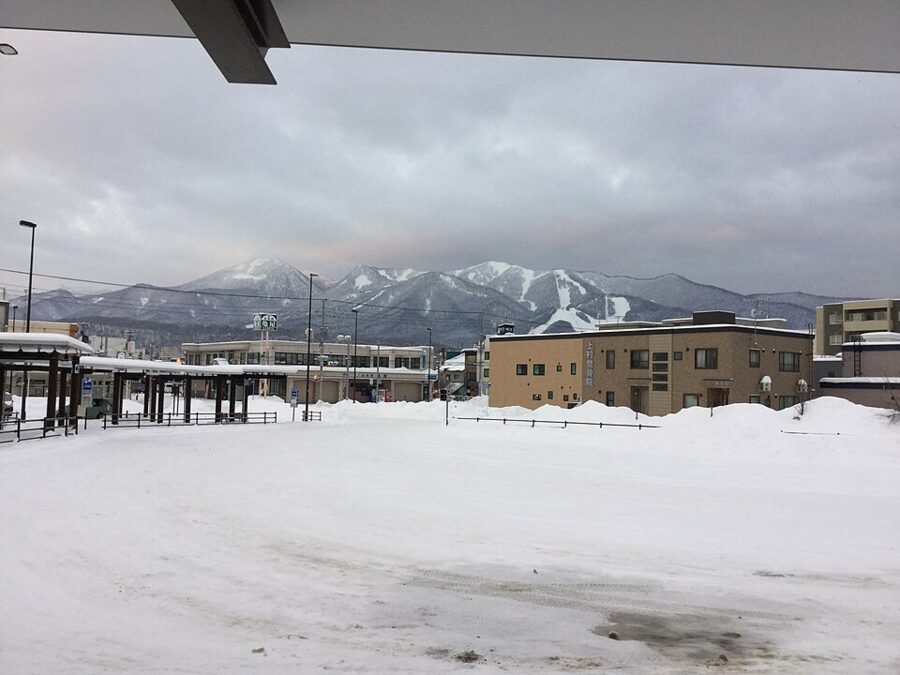
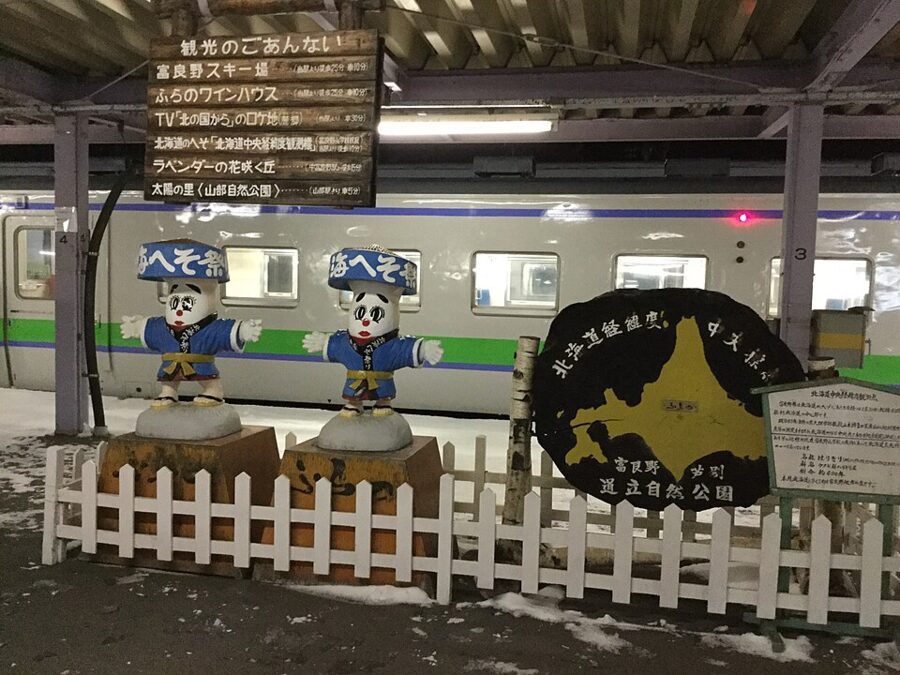
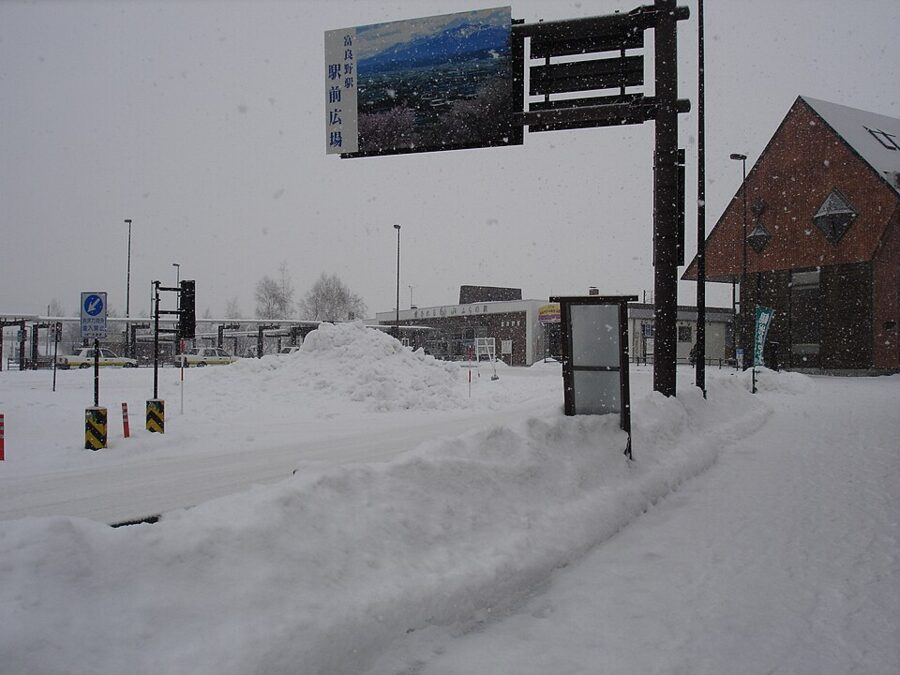
Furano is not a resort village. It is a farm town in the middle of Hokkaido, known in Japan for its lavender, its melons and a long-running television drama, and in winter its streets fill with people who have been skiing all day and want dinner. The town calls itself the navel of Hokkaido, and the Heso festival in July is named for it. The station is about 6 km from the Kitanomine lifts.
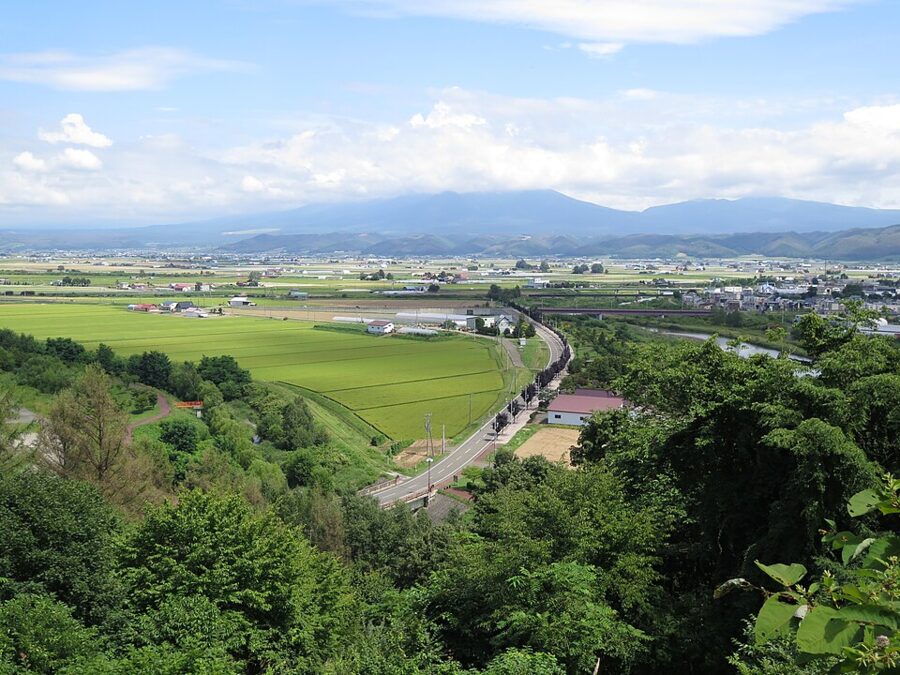

Getting between the two is easy in daylight. From 1 December 2026 to 31 March 2027 Furano Bus runs a Furano Ski Resort line from the station through town to the Shin Furano Prince Hotel, at a flat ¥500 for adults and children alike. The first bus leaves the station at 08:08, but there are only a handful of runs a day, so check the timetable for the evening. Otherwise it is a taxi, about 12 minutes from the station to the lifts.
Curry, cheese and wine
Furano eats curry. The local version is Furano omu curry, curry over an omelette on rice made with Furano ingredients and served with a small flag in the middle, and most restaurants in town have their own take. On the hill the resort brought in a branch of a town curry restaurant, Furano Curry Jam, at the Kitanomine Terminal. In town, Kumagera, a creative-cooking and banquet restaurant in Hinode-machi near the station, opens from 11:30 to 21:30 every day except Wednesday; it takes no reservations from mid-June to late August, so it is easier to plan for in winter than in lavender season.
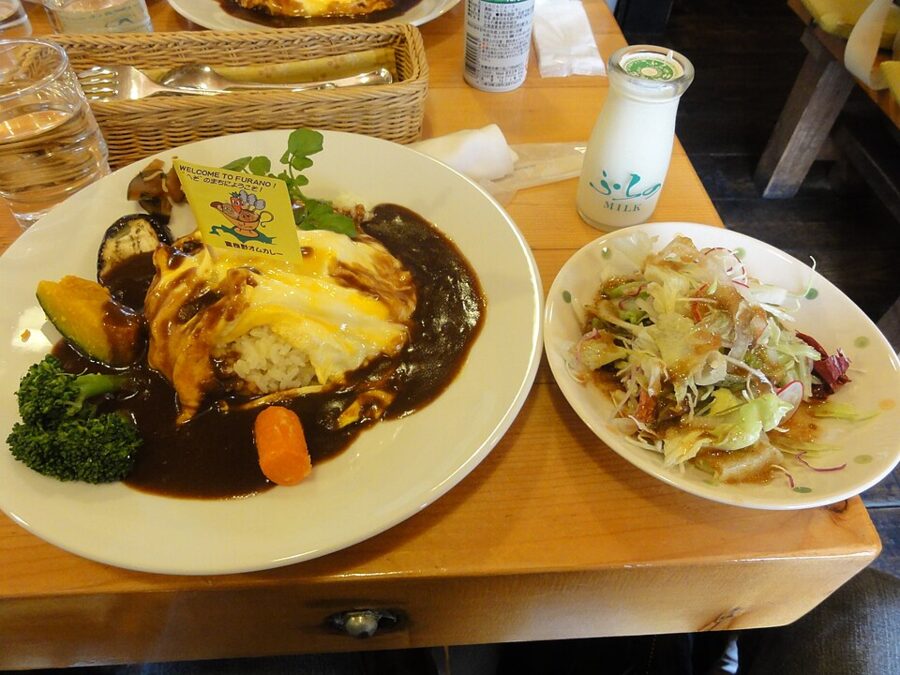

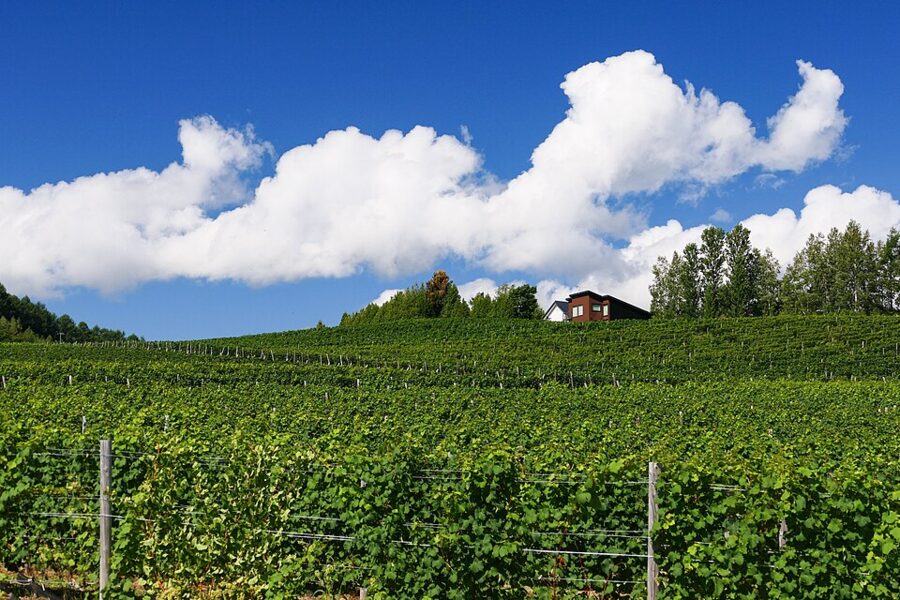
The cheese and wine are the town’s own. Furano Cheese Factory, about ten minutes by car from the station, makes cheese, runs a pizza kitchen and a handmade-cheese workshop, and from 1 November closes at 16:00 for the winter. Furano Wine is a municipal winery: the city set up a vine research institute more than fifty years ago because the climate looked like Europe’s wine country, and it now makes reds from Seibel 13053, Zweigelt and Furano No. 2, a local cross with the wild mountain grapes that grow in the hills.
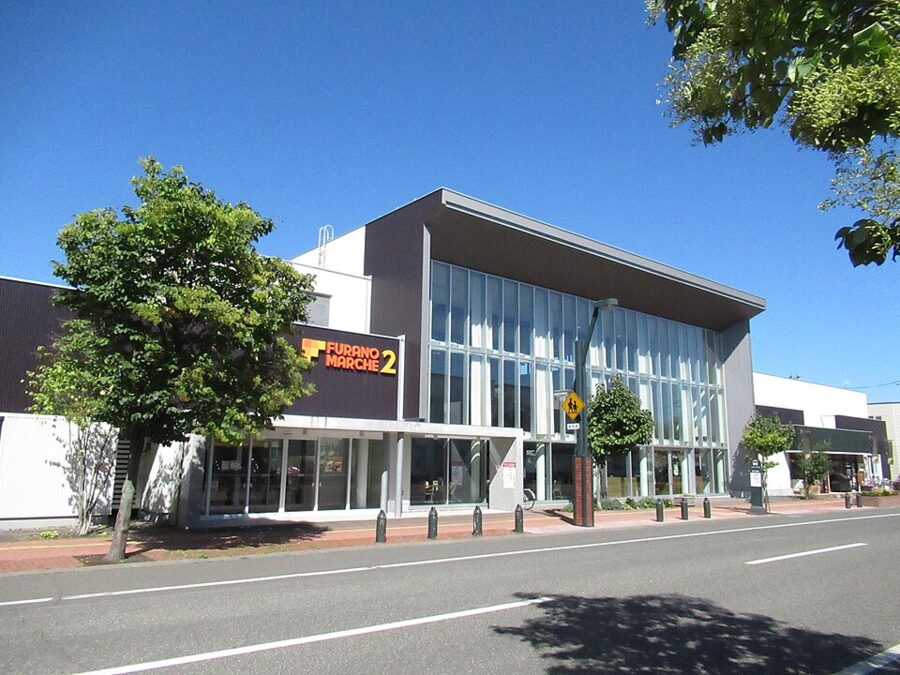
For a lunch in town between ski days, Furano Marche in Saiwai-cho, ten minutes’ walk from the station, is a covered market of food stalls, produce and souvenirs from the whole Furano area. It is also the most useful single stop for gifts that are actually from here.

Ningle Terrace and the Prince side
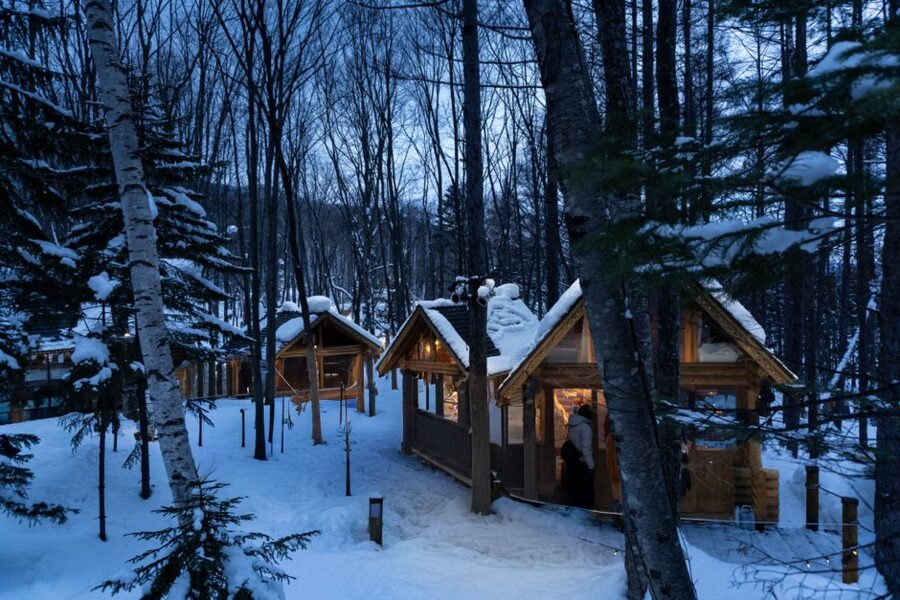
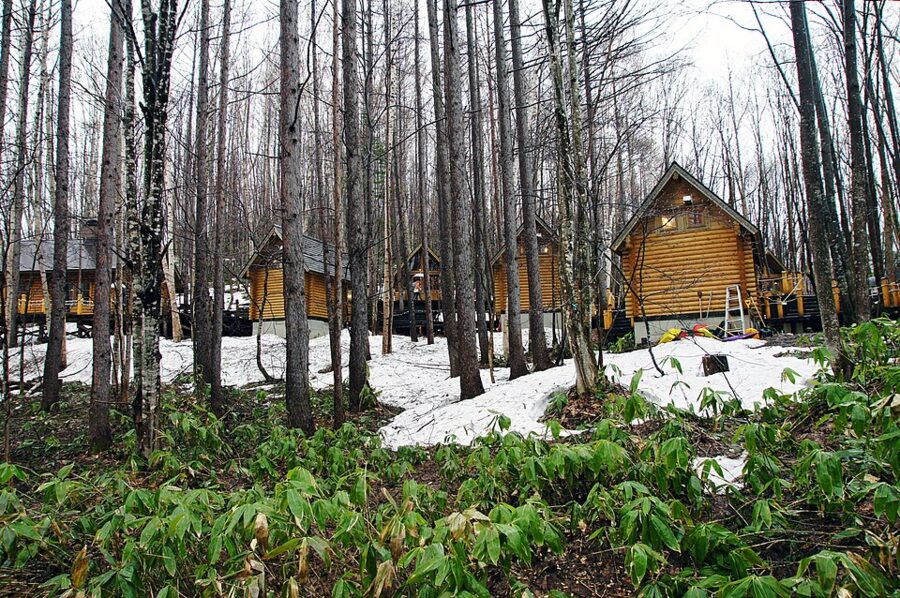
The Furano Zone base is a different world from the town: a hotel of 407 rooms in a curved tower, a forest around it, and a set of buildings shaped by the screenwriter Kuramoto So, whose drama Kita no Kuni kara (From the Northern Country) made Furano famous across Japan. Ningle Terrace (ニングルテラス) is fifteen log houses among the trees two minutes’ walk from the hotel, selling crafts made in Hokkaido, and in winter it opens from 12:00 to 20:45. Entry is free; individual shops close on their own days.

Beside it are two other Kuramoto places that the Prince group still runs: Mori no Tokei, the coffee house from the drama Yasashii Jikan, where you grind your own beans at the counter, and Soh’s BAR in the forest, a smokers’ bar where no one under 20 is allowed in. Le Gaulois Furano, a 35-seat, reservation-only restaurant opened by a Tokyo chef who moved here to cook close to the farms, is three minutes’ walk from the hotel. From 23 December 2026 to 28 February 2027 the Furano Kan Kan Mura snow village sits next to the hotel from 16:00 to 20:00, about 70,000 lights, a snow-tubing slope and dog sledding at weekends, for ¥500 entry, free for primary-school children with an adult.
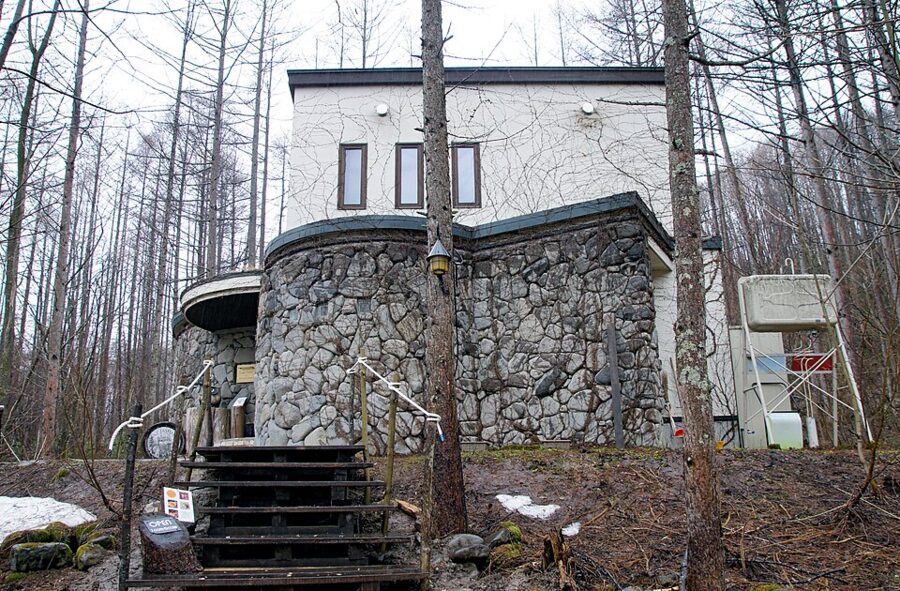

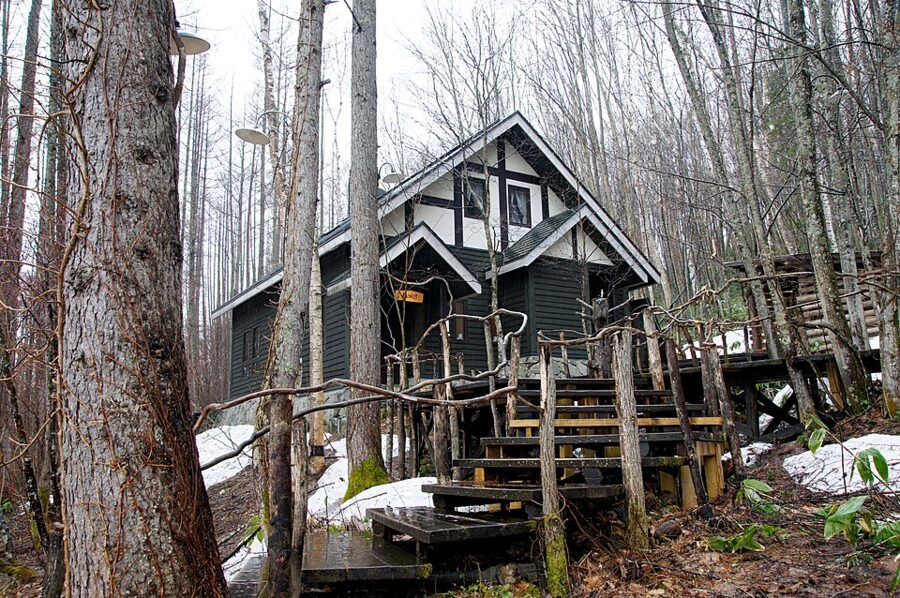

The hotel’s own hot spring, Furano Onsen Shisai no Yu, is in a separate building about 150 m from the lobby, along a corridor with stairs and three lifts. The water comes from 1,010 m down, there are indoor and outdoor baths and a sauna, and day visitors can use it; most hotel guests have it included. After a day on the E runs at -15°C, it is where the feeling comes back into your feet.
Where to stay for which zone
For the Furano Zone, the Shin Furano Prince Hotel is the only true ski-in, ski-out bed: you walk out of the ground floor onto the snow beside the Prince Romance Lift and ski back to the door. It suits families and anyone who wants to be first on the ropeway. It closes for maintenance every November; this year it was shut from 5 to 26 November.
For Kitanomine, stay in the pension and small-hotel district at the foot of the zone, where the Kitanomine Ryokan Association lists hotels, pensions, guesthouses and condominiums within walking distance of the gondola. With the Furano Prince Hotel closed, this is now the only lodging on that side of the hill, and it is where I would stay for a week of skiing both zones: early lifts at 08:30, the Link Lift to the Furano Zone, and the ski-resort bus or a short taxi into town at night.
For the town, stay near the station. La Vista Furano Hills, three minutes’ walk from JR Furano Station with a hot-spring bath on its top floor, is about 15 minutes by car from the lifts. Staying in town means a bus or taxi every morning, but you can walk to dinner every night, and you are on the doorstep of the trains and buses home.

Getting to Furano
Furano is in the middle of the island, and the easiest way in is from the north. The resort’s access page sets out the options: by train or bus through Asahikawa, by train from Sapporo with a change at Takikawa, by highway bus from Sapporo, or by car. There is no direct train from Obihiro: the line south from Furano to Shintoku was abolished on 1 April 2024, eight years after typhoon damage closed it, so Furano is a dead end on the rail map from the south.
From Asahikawa and its airport
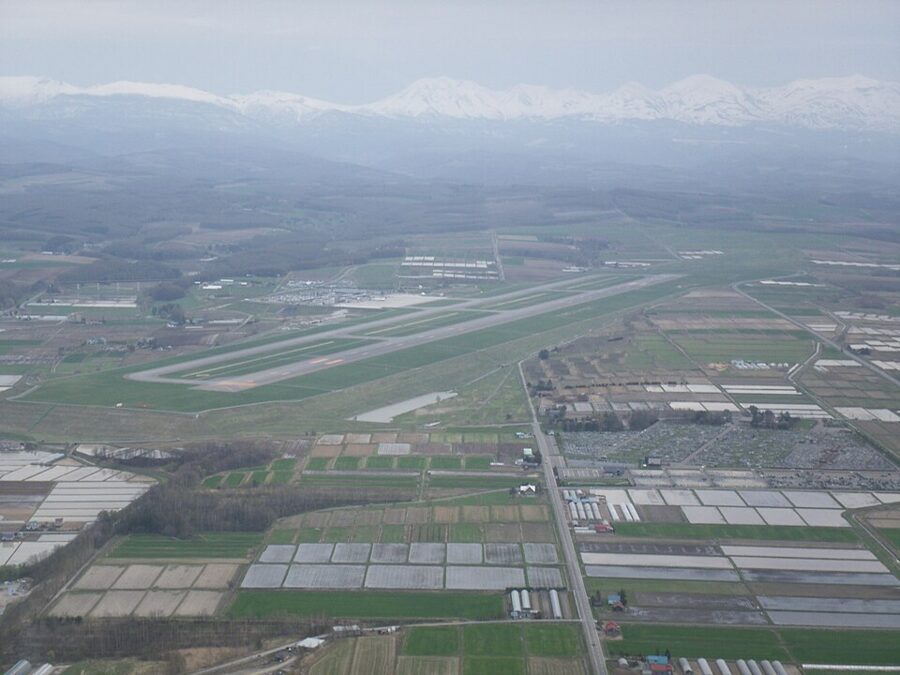
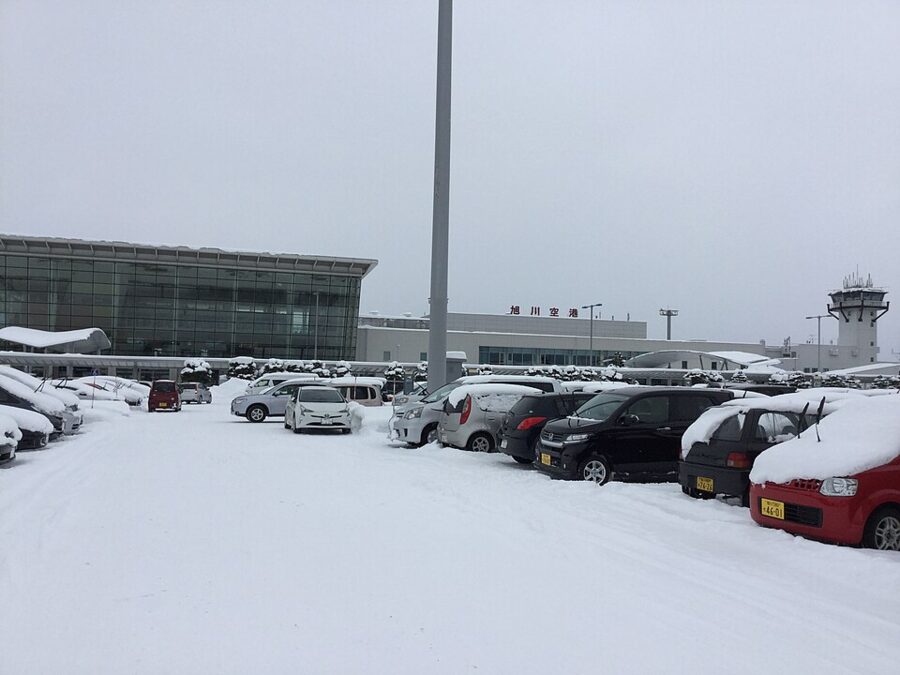
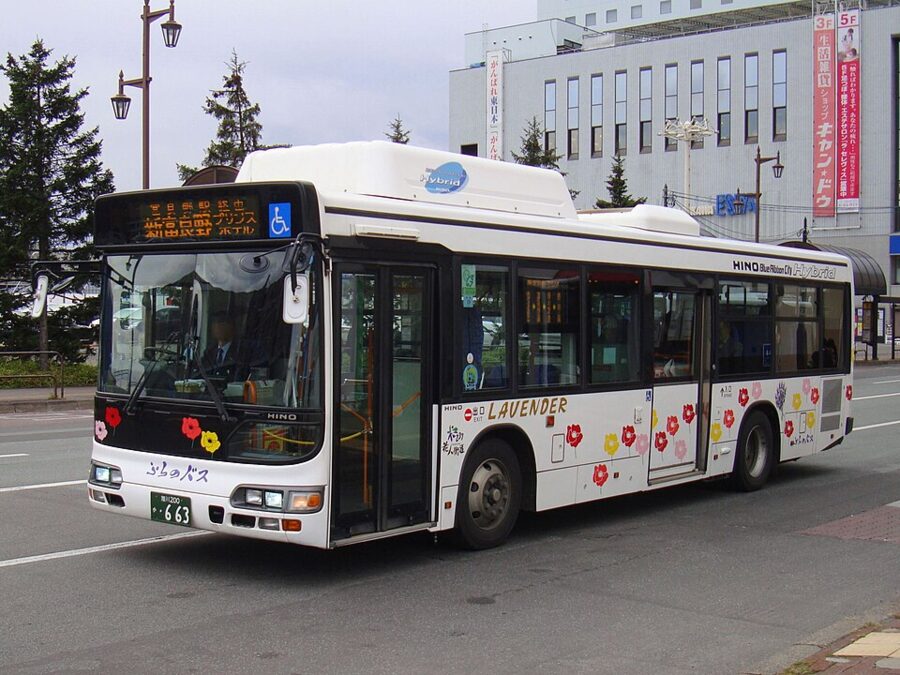
Asahikawa Airport, about an hour from Furano, is the nearest airport and the one to fly into from Tokyo. The Furano Bus Lavender service runs seven times a day from Asahikawa Airport and from JR Asahikawa Station, through Biei and Furano Station to the Shin Furano Prince Hotel. From Furano Station to the hotel the same bus takes about 17 minutes. By rail, the JR Furano Line from Asahikawa to Furano takes about 70 minutes on its local trains.

From Sapporo and New Chitose
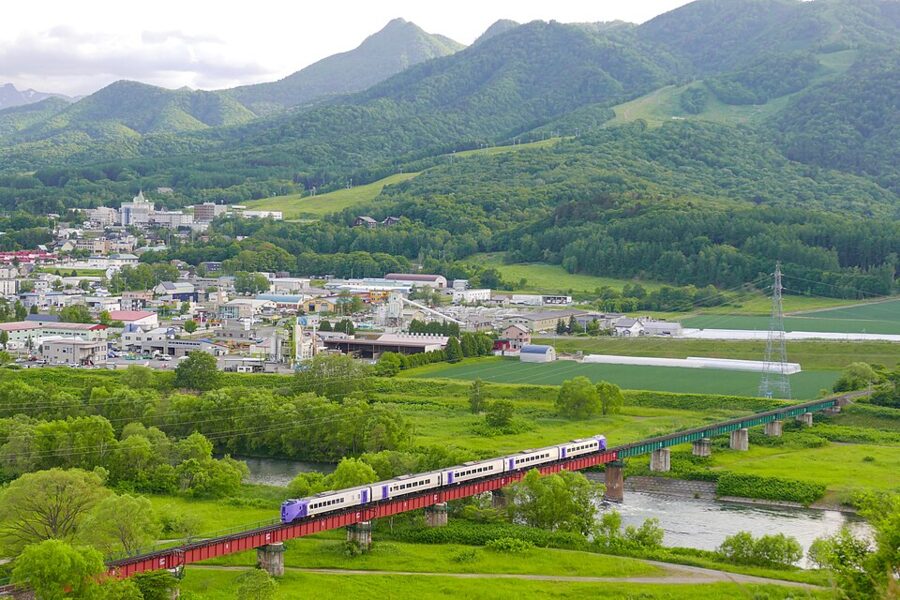
From Sapporo, the train is a two-part trip. Take a limited express on the Hakodate Line to Takikawa, change to the local train on the Nemuro Line and ride it up the Sorachi valley to Furano; the resort gives about 183 minutes in all. In summer JR Hokkaido runs the Furano Lavender Express through from Sapporo, and it ran again in 2026, but it does not run in winter.
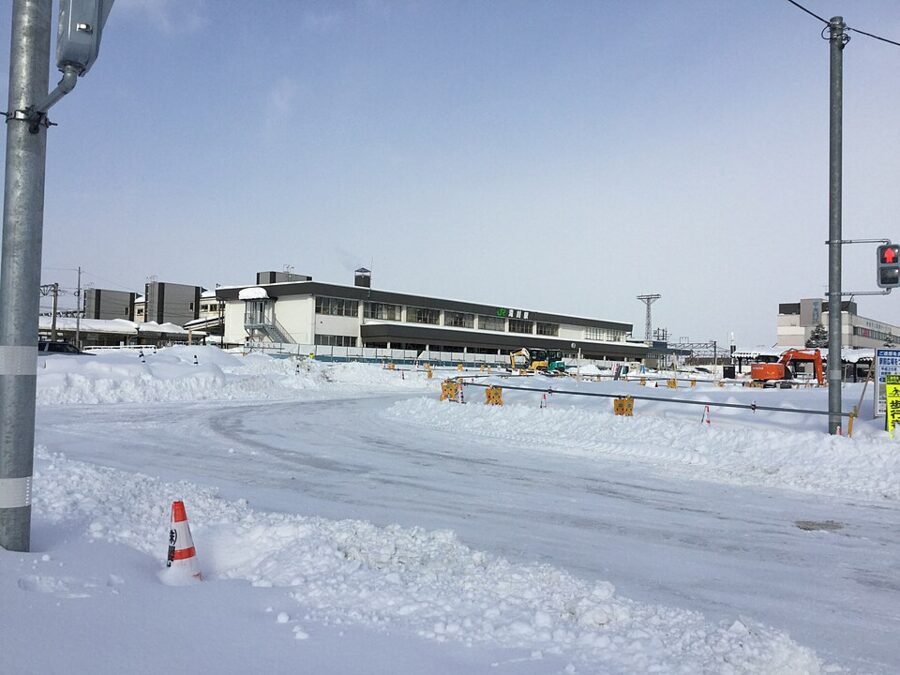

The Highway Furano bus, run by Hokkaido Chuo Bus, goes seven times a day from near JR Sapporo Station to Furano Station in about 2 hours 40 minutes, without a change. From New Chitose Airport it is about two hours by car and about three by direct bus, so if you are flying into Sapporo the bus or a hire car usually beats the train.
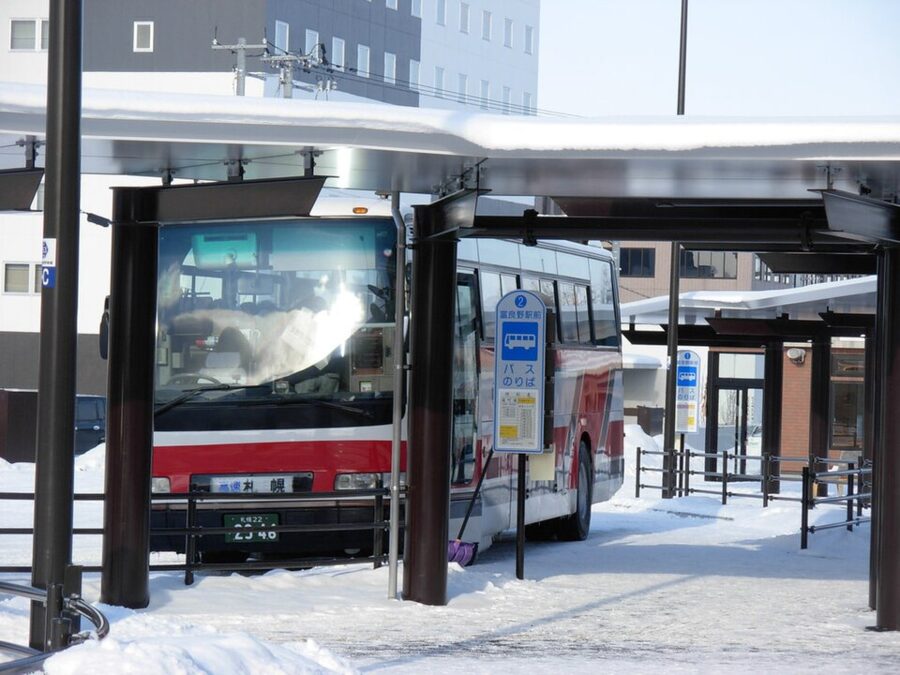

Driving
From Sapporo it is 114 km and about two hours by the Do-o Expressway to Mikasa, then over the pass by Lake Katsurazawa on the Bibai–Furano road. From Asahikawa it is 60 km and about 1 hour 25 minutes on Route 237, and from Obihiro 116 km and about 2 hours 25 minutes on Route 38. The resort has 2,430 free parking spaces, and it does not allow people to sleep in their cars in them. Those times are for good conditions: winter roads in the interior are packed snow and ice from December, so allow much longer, hire a car with winter tyres and fill up before the mountain road from Mikasa.
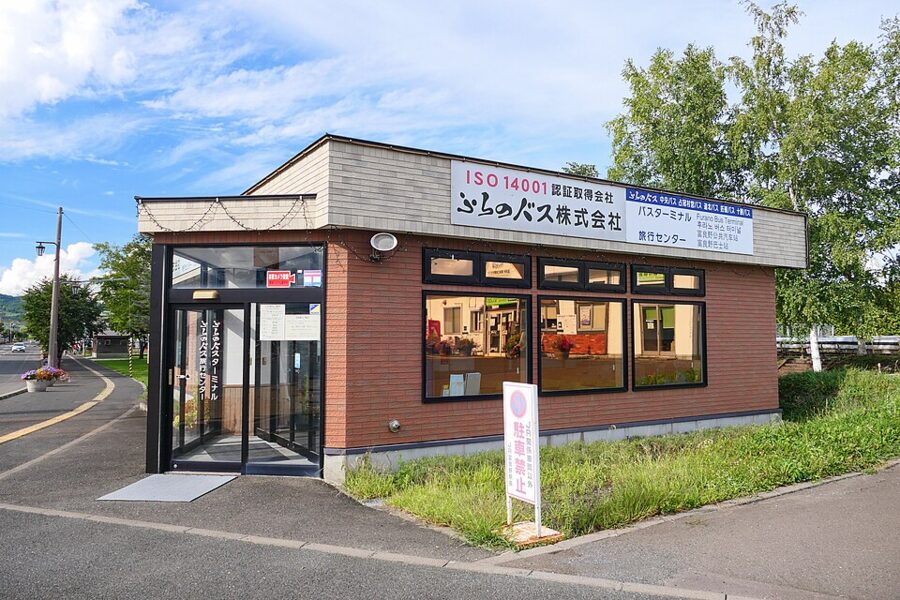
Beyond the resort boundary
The backcountry that matters from Furano is on the other side of the basin, on the Tokachidake range. Tokachidake (十勝岳), 2,077 m, is the most active volcano in the Daisetsuzan area, and its western flank above the hot springs of Kamifurano has been one of Hokkaido’s best-known ski-touring areas for decades. That flank is also why the alert level matters to a skier.
Tokachidake, Kamihoro and the alert level
The Japan Meteorological Agency raised Tokachidake’s alert level to 2 on 18 June 2026, after months of swelling and rising gas output. Very small eruptions followed at the 62-2 crater in late July and early August, earthquakes increased from mid-August, and on 12 September 2026 the agency went to Level 3, entry restriction, with a 3 km exclusion zone. Under Level 3 all climbing from the Tokachidake Onsen and Fukiage trailheads in Kamifurano was banned. On 16 October the level came back down to 2, with large ballistic rocks possible within about 1.5 km of the 62-2 crater, and that is where it stands; the agency’s 20 November update says the volcano remains active.
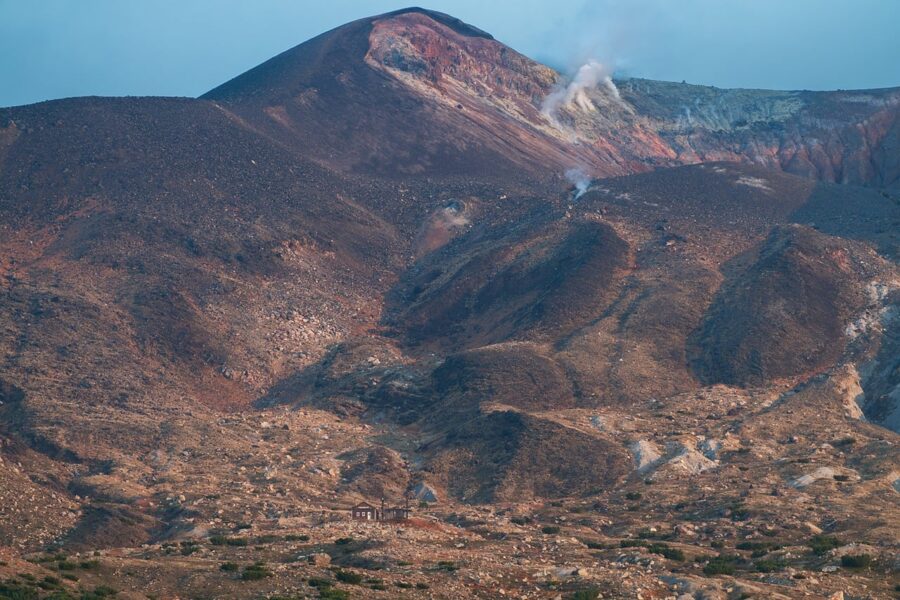
The towns, not the agency, close the paths. Biei, Kamifurano and Shintoku enforce the restriction, and Kamifurano’s notice on the alert level is the page to read before you plan a tour, because it says which routes from the onsen are shut. Read it for the day you go, not the day you booked: this mountain went from 2 to 3 and back again inside five weeks this autumn.
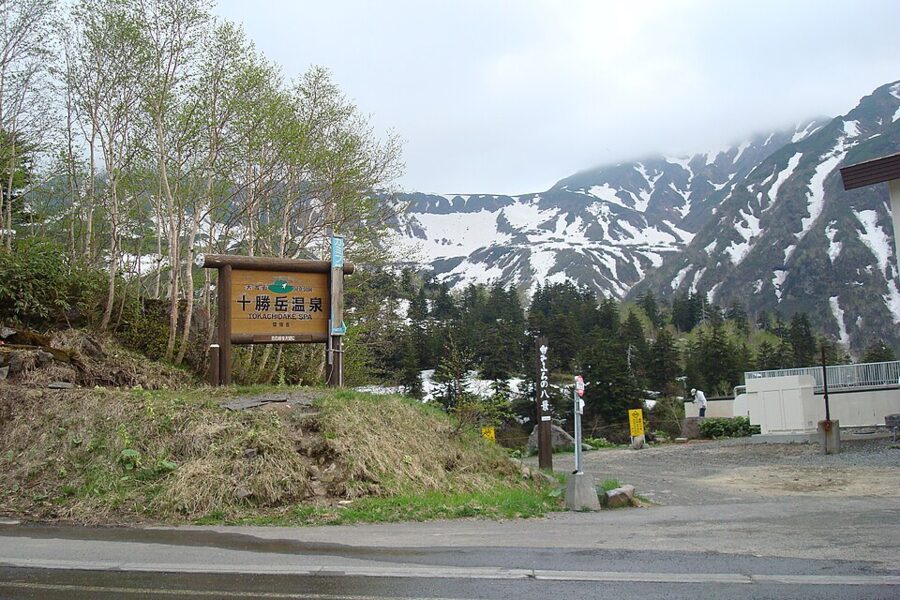
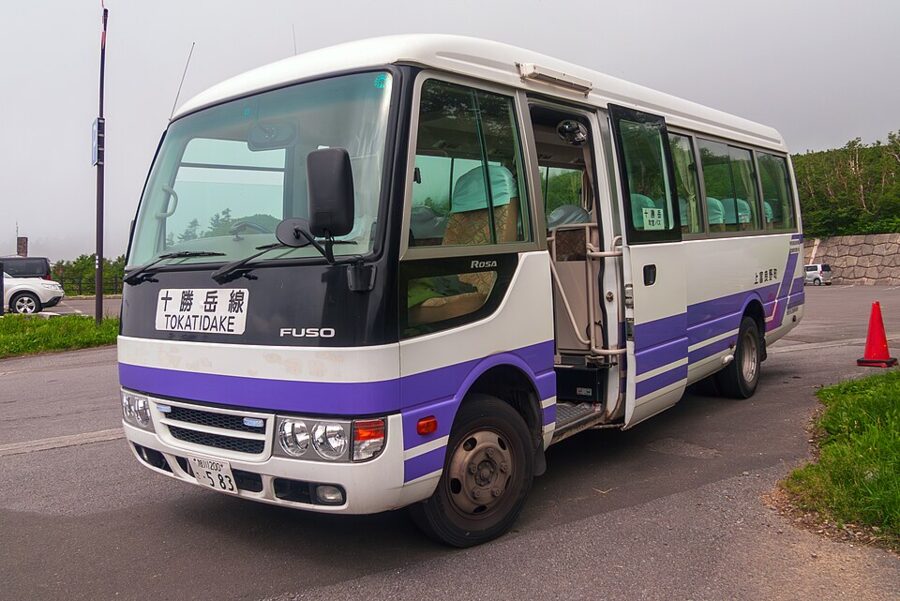
The base for all of it is Tokachidake Onsen (十勝岳温泉), at the end of the road above Kamifurano. Ryounkaku, at 1,280 m the highest hot-spring inn in Hokkaido, and Kamihoroso, at about 1,200 m, both stayed open through the Level 3 period, and Kamifurano’s town bus up the mountain from Kamifurano Station is back on its usual timetable.
From the car park the classic objectives are Sandanyama (三段山, 1,748 m) and Kamihorokamettokuyama (上ホロカメットク山, 1,920 m), which everyone calls Kamihoro, with a summer trail up its western D ridge and a long list of winter variations. Furanodake (富良野岳, 1,912 m), the old volcano at the south-west end of the range, is the other summit reached from the onsen. Kamifurano’s notice is what tells you which of them you may go up.
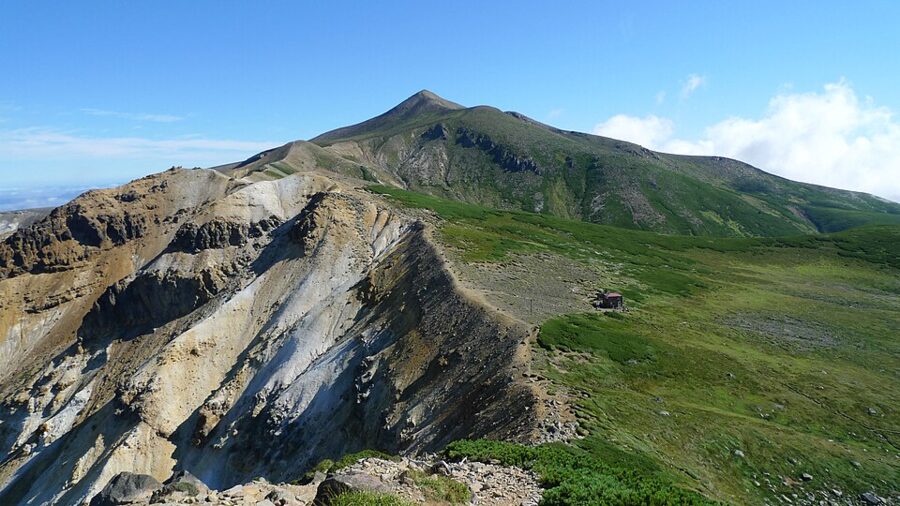

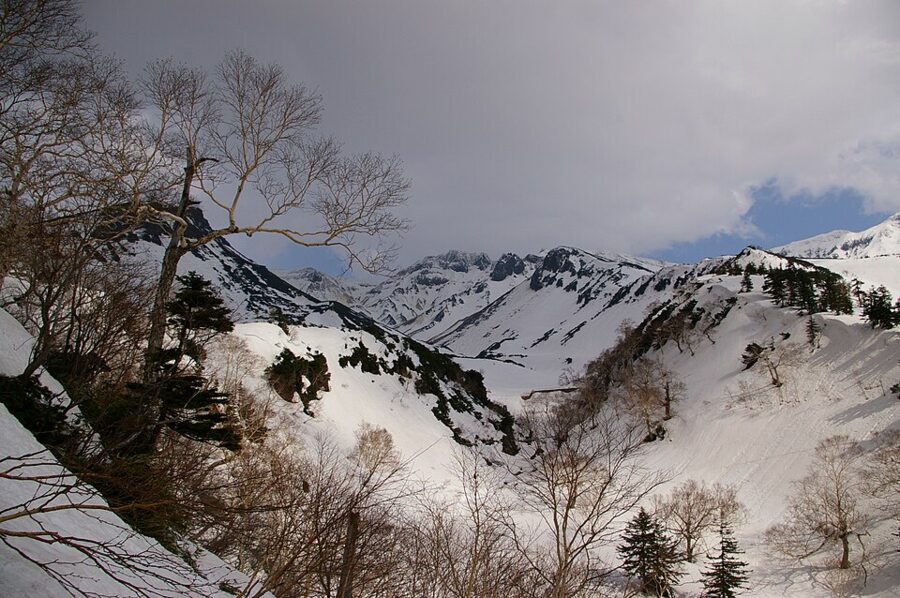

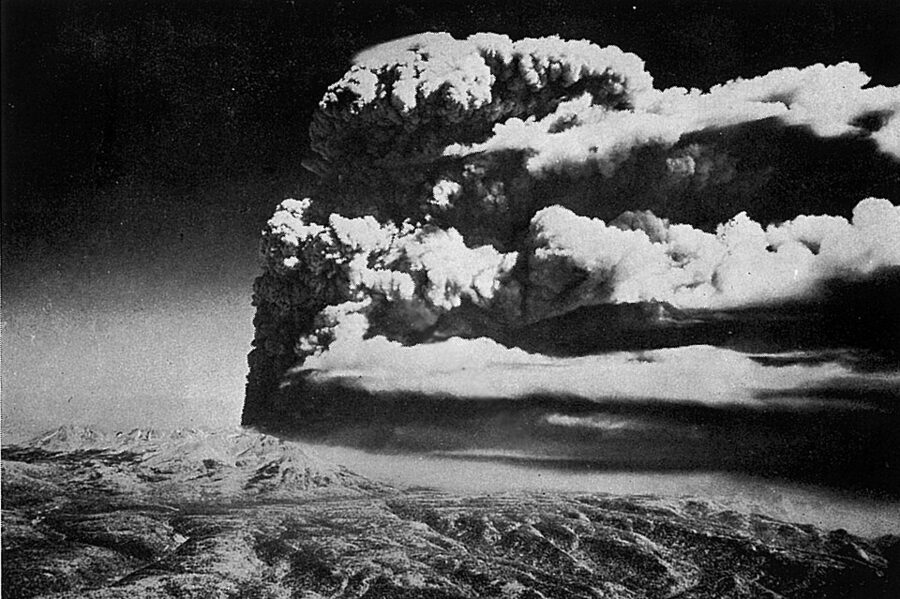
This is serious terrain, cold, often in cloud and exposed to wind off the ridge. In 1926 an eruption on the upper mountain melted the snowpack and sent a mudflow 25 km down to Kamifurano in about 20 minutes, and 144 people died or were never found; the centenary of that disaster fell this year. A smaller eruption in 1962 killed five people at a sulphur mine near the crater.
Go with a certified mountain guide, carry avalanche kit, file a climbing notification with the police, and read the Japan Avalanche Network’s Daisetsu–Tokachi avalanche bulletin on the days it is issued. Tokachidake is one of the most closely watched of Japan’s volcanoes, and its alert level is the first thing to check, before the snow and before the weather.



Tomamu and Kamui for a day
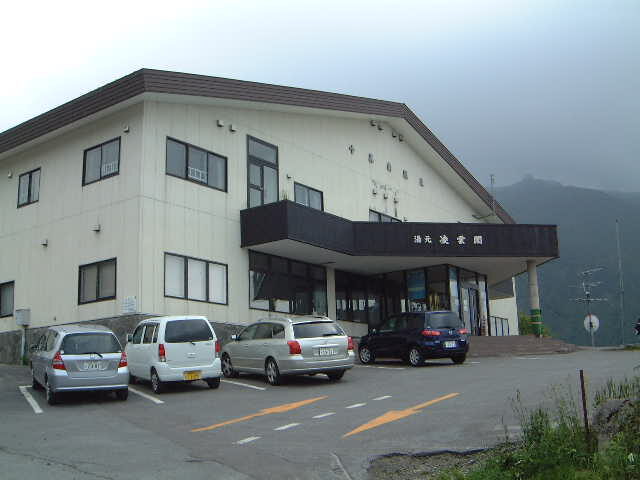
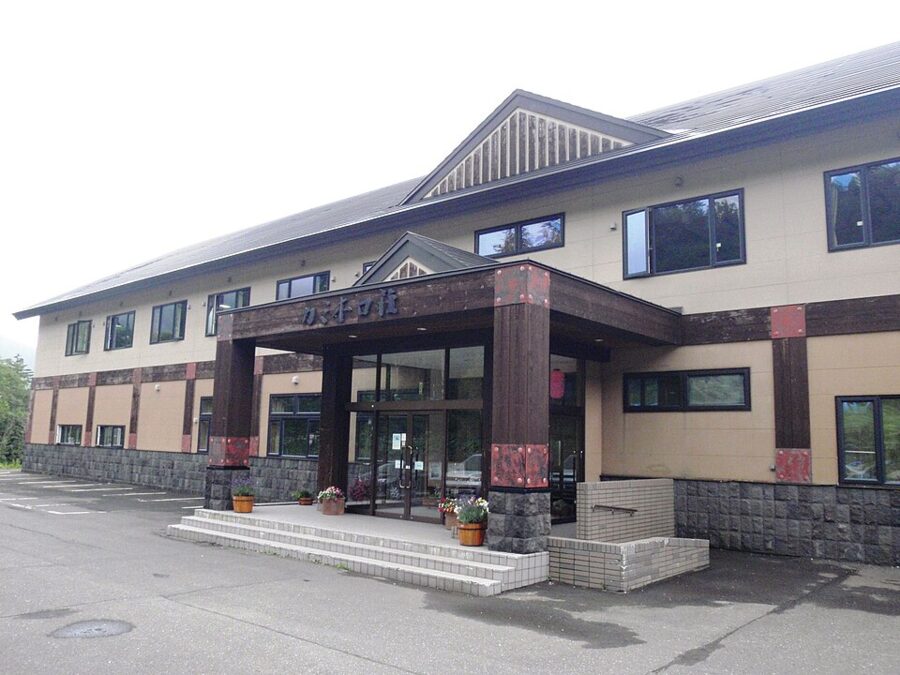
Two other resorts are close enough for a day off the Furano hill. Hoshino Resorts Tomamu, a resort of tower hotels in Shimukappu, is about 60 km and an hour and a half south by car; its village station records a January mean of -9.8°C, colder than Furano.
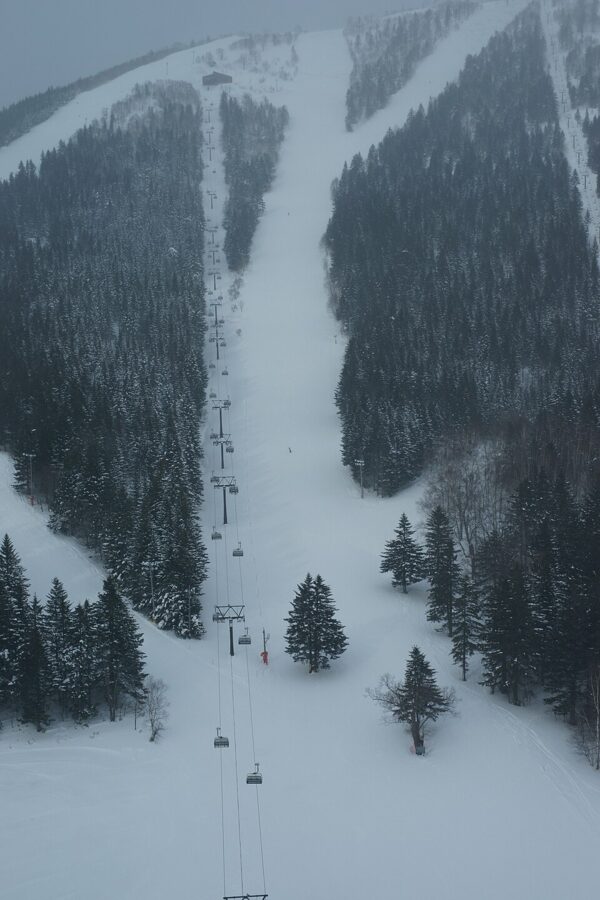

Getting there without a car is awkward, because no train runs south from Furano any more. Kamui Ski Links, on the western edge of Asahikawa, is easiest from the Asahikawa side by car.
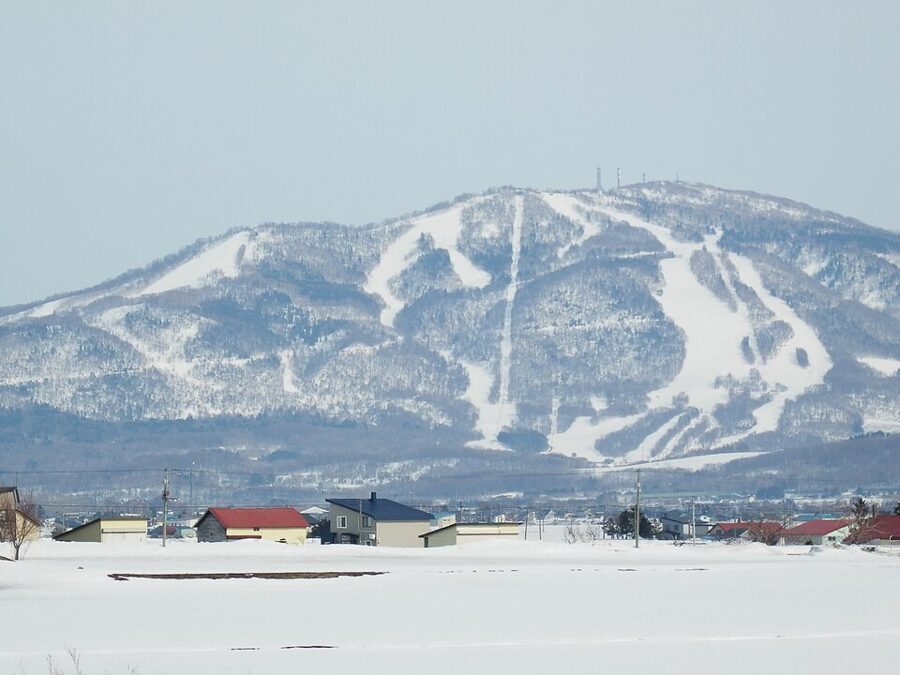
The only pass that joins Furano with Tomamu and Kamui, the Hokkaido Powder Belt season pass, is sold only to residents of Japan. A Furano season pass also brings discounts at other Hokkaido ski areas in the Season Net scheme, including Tomamu and Kamui. For visitors, the interior is day tickets, one resort at a time, and two Furano days for every day away is about right.
Furano month by month
The lifts start on 28 November, usually on thin cover with a few runs open and the ¥7,500 opening-week price. December is cold enough everywhere, the snowpack builds fast, and town snowfall peaks at 159 cm for the month; the Kitanomine Zone opens towards the end of it. The New Year week, 26 December to 3 January, is the busiest of the season.
January is the coldest month and the one to come for the light snow, with an average low of -14.4°C in town. February has the deepest snow on the ground, and in 2027 it has the Serge Lang Cup and the PistenBully mornings. March still brings 110 cm of snow in an average year, but the Kitanomine Zone closes on 22 March, night skiing ends on 21 March, and from 23 March the spring price applies. After that it is the Furano Zone alone, softening in the afternoon, until 5 May.
Furano in summer
When the snow goes, Furano turns into Hokkaido’s flower country, and the ropeway runs again. This year it ran from 4 July to 30 August and from 3 to 18 October, at ¥3,300 return; from the top it is a walk up Furano Nishidake, and the town holds a trail race over the ski hill and the mountain every September.
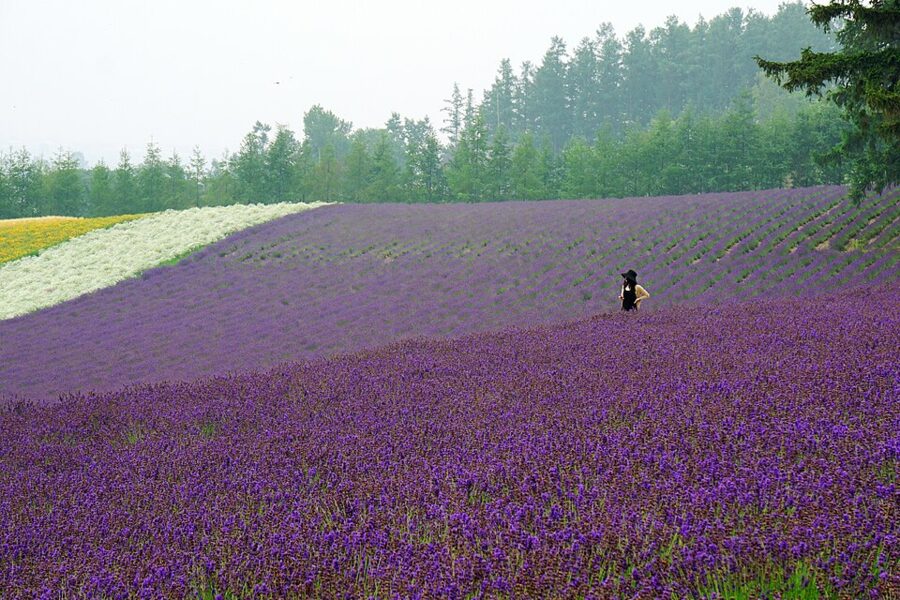

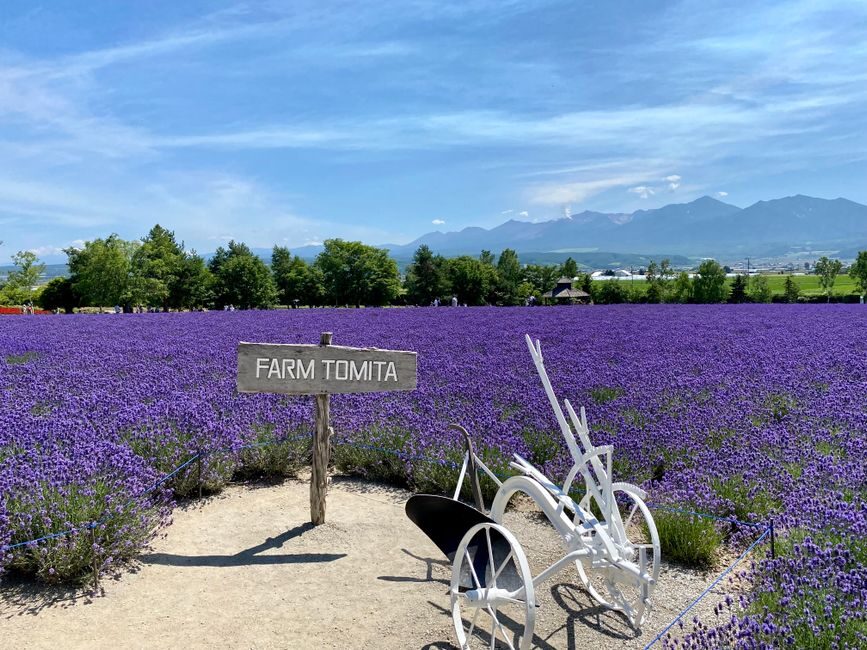
The lavender is the famous part. Farm Tomita (ファーム富田) in Nakafurano, ten minutes north of Furano by car, is the farm that kept lavender alive in the area when the oil market collapsed in the early 1970s, and a 1976 railway calendar photo of its fields started the tourist trade. Entry is free, it is open all year, and the lavender usually starts flowering in late June. The temporary Lavender Farm station on the Furano Line, beside the farm, has served the summer trains for years.
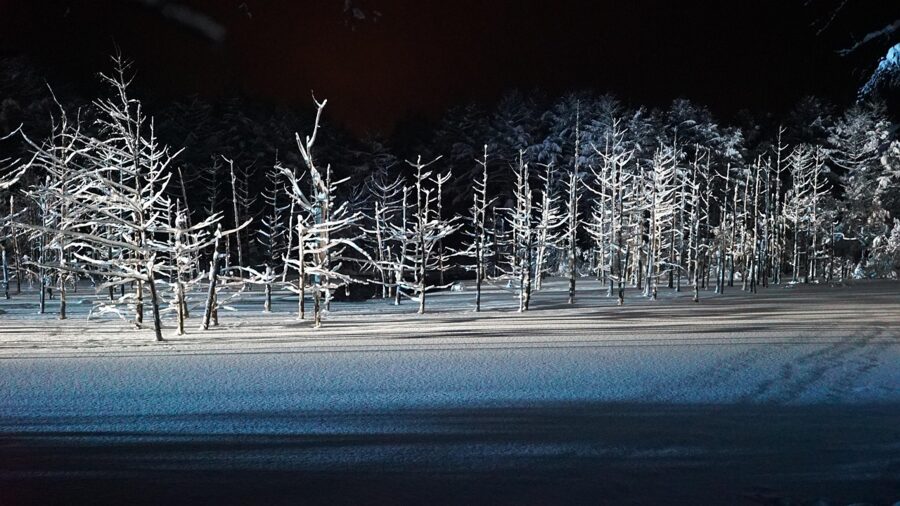
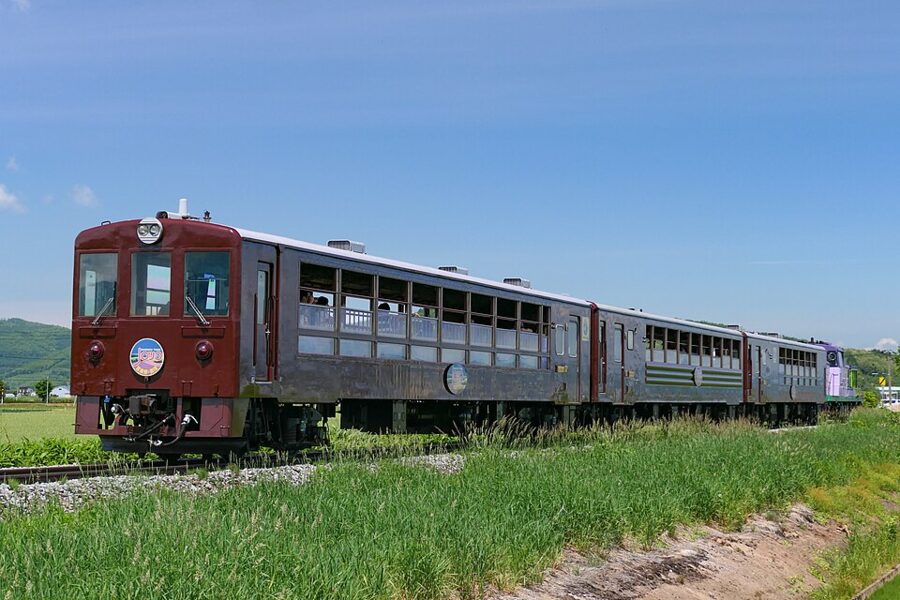
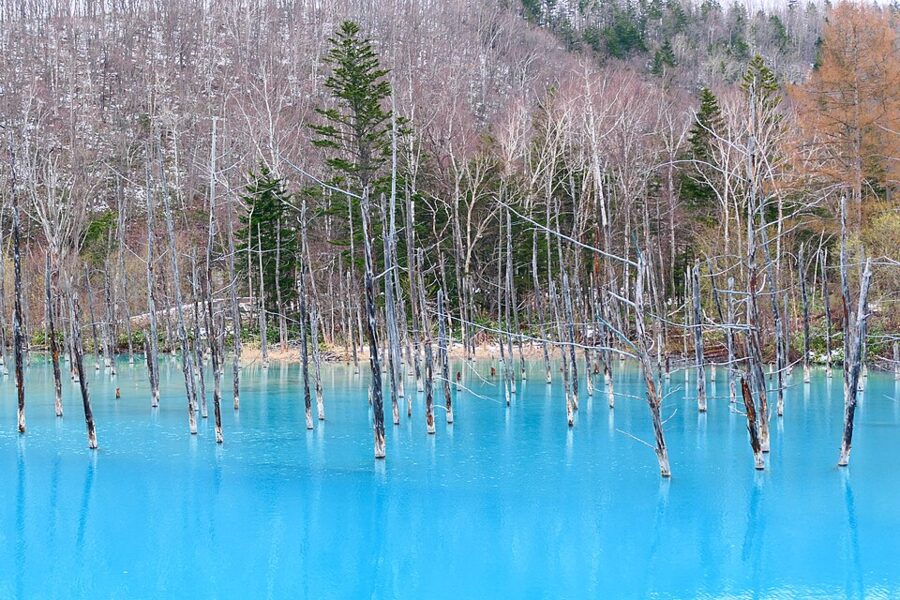
The Furano Line’s sightseeing train, the Furano Biei Norokko, made its last runs in summer 2026 after more than 25 seasons; from 2027 JR Hokkaido plans a new tourist train, the Aoi Hoshi, on the same line. North of Nakafurano, Biei is a country of rolling farm fields, and above it at Shirogane the Blue Pond and Shirahige Falls are the two stops everyone makes.


The Tokachidake trails are the summer version of the winter question: what is open depends on the alert level, and at Level 2 the ground within about 1.5 km of the 62-2 crater stays closed. Furanodake, an older volcano whose summit is covered in alpine flowers in summer, is the usual alternative; check Kamifurano’s notice for its trail too. This is brown bear country in summer, so carry a bell, make noise in thick cover and keep food sealed.
The water is the other summer sport. The upper Sorachi River, above Lake Kanayama in Minamifurano south of town, runs between cliffs 100–150 m high, and its rafting is among the best known in Hokkaido.
Back on the hill in January, the decision at 08:30 looks different now. If it snowed overnight and the patrol says the Premium Zone is open, take the Kitanomine chair at 08:30, ride the gondola at 09:00 and ski the Kitanomine side first. If the Premium Zone is shut, wait for the 09:00 ropeway, ride the Downhill Romance Lift No. 3 straight to the top and take E1 before anyone else has touched it.