
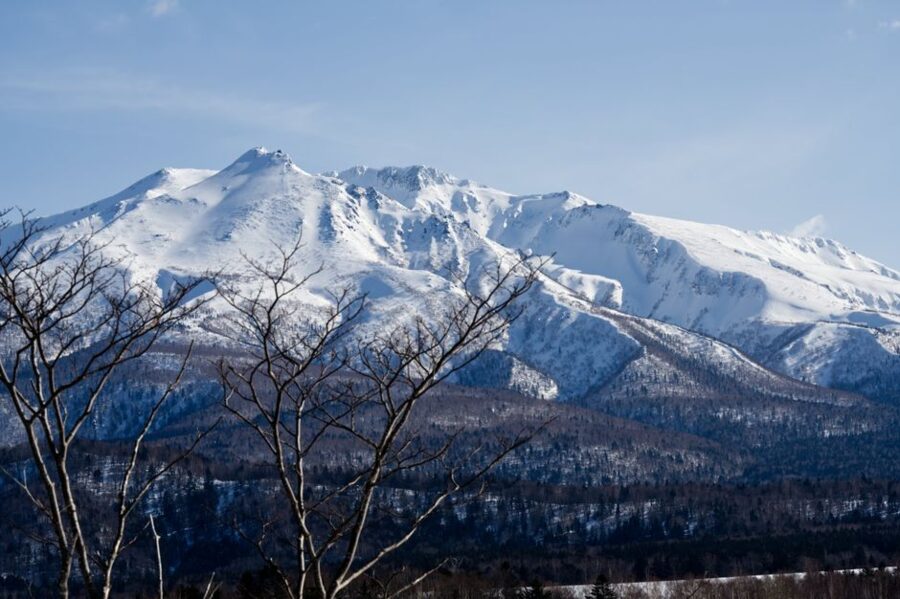
The weather station at Shumarinai, a lake village in the hills north of Asahikawa, records a normal of 1,247 cm of snow a winter. Kutchan, the town under Niseko’s lifts, records 921 cm. Nobody flies to Shumarinai to ski, and that gap between where the snow falls and where the skiers go is the first thing to understand about skiing in Hokkaido (北海道).
The island is big, the snow is everywhere and the resorts are spread over a distance that a week will not cover. Sapporo to Furano is 114 km by road and about two hours in good conditions. Pippu, north of Asahikawa, is four hours’ drive from Wakkanai at the top of the island. So the decision that shapes a Hokkaido trip comes before the choice of resort: which part of the island you sleep in, and whether you are there for volume, for cold, or for quiet.
The prices spread as widely as the snow. An adult day ticket this winter runs from ¥16,700 at the Rusutsu window to ¥1,000 at the town hill in Wakkanai, and most of the island’s best skiing sits somewhere in the ¥4,000–9,300 range, a long way from the Niseko lift queue. Pick the region, then the resort, then the week.

Contents8 sections
The snow, the cold and the distances
Hokkaido’s snow comes from the same weather that feeds all skiing in Japan: cold air off Siberia picks up moisture over the Sea of Japan and drops it on the first mountains it meets. The difference is temperature. The further north and inland you go, the colder the air that does the snowing, and the drier and lighter the snow that lands.
The Japan Meteorological Agency’s 1991–2020 normals make the map plainer than any brochure. Most are valley-floor stations near ski areas; the upper lifts get more snow and colder air.
| Station | Near | Snowfall a year | January mean |
|---|---|---|---|
| Sapporo | Teine, Kokusai, Bankei, Moiwa | 479 cm | -3.2°C |
| Otaru | Asari, Tenguyama | 556 cm | -3.1°C |
| Kutchan | Niseko | 921 cm | -5.4°C |
| Akaigawa | Kiroro | 966 cm | not recorded |
| Asahikawa | Kamui Ski Links, Pippu | 557 cm | -7.0°C |
| Furano | Furano | 628 cm | -8.3°C |
| Shimukappu | Tomamu | 705 cm | -9.8°C |
| Sounkyo | Kurodake | 907 cm | not recorded |
| Shintoku | Sahoro | 517 cm | -6.2°C |
| Nayoro | Piyashiri | 829 cm | -8.6°C |
| Horokanai | the snow belt north of Asahikawa | 1,232 cm | -8.4°C |
| Wakkanai | Komadori | 477 cm | -4.3°C |
| Obihiro | the Tokachi plain | 198 cm | -6.9°C |
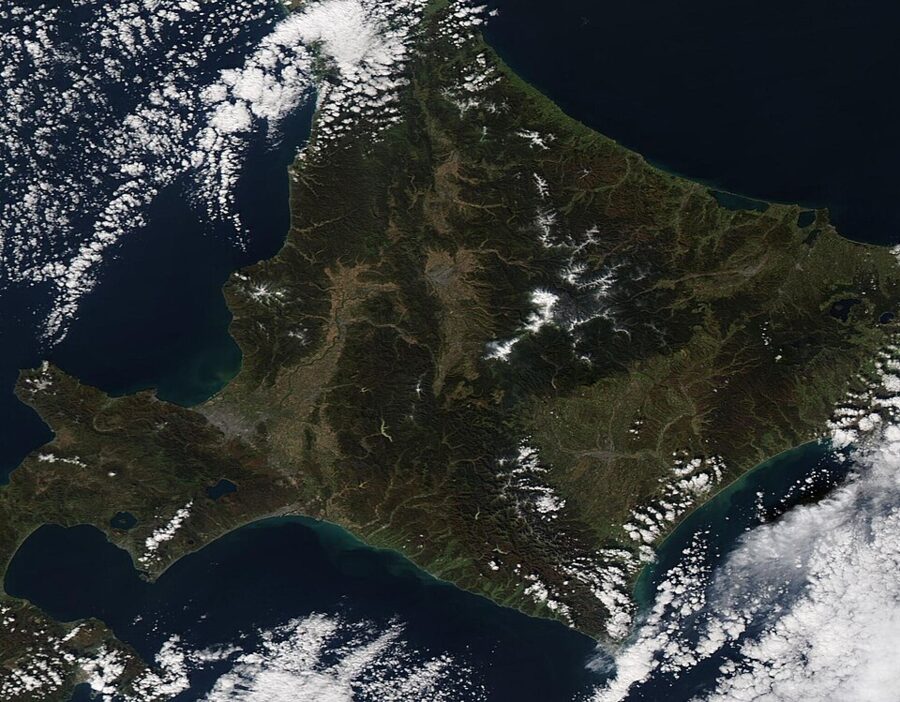
Read it as two islands. On the west, the mountains behind Niseko, Kiroro and Otaru take the Sea of Japan snow in bulk, with January averages a few degrees below freezing. In the middle, the basins around Furano, Asahikawa and Tomamu get less snow and much colder nights: Shimukappu, the village Tomamu belongs to, averages a January daily low of -18.0°C. East of the central mountains, the Tokachi plain around Obihiro gets 198 cm of snow and 2,020 hours of sunshine a year, against Kutchan’s 1,441, and Sahoro sits on its western rim between that sun and the mountain snow.
The season is long. Sapporo Kokusai opened on 20 November 2026 and runs to 5 May 2027; Sapporo Teine opened its Highland zone on 23 November; Niseko, Kiroro, Furano and Rusutsu all planned to start on 28 November. Tomamu, Sahoro and Kurodake follow on 1 December, Nayoro Piyashiri on 11 December, and the Asahidake ropeway reopens on 11 December. At the other end, Kiroro, Furano, Kokusai and Grand Hirafu run to 5 May, and Kurodake’s high slope keeps going into early May.
For powder, mid-January to the end of February is the core. December is cold enough everywhere on the island but the snowpack is still building; March brings sun and warmer afternoons, with real storms still possible in the first half of the month. I’d book the second half of January, after the New Year crowd and before the Chinese New Year week, which in 2027 starts on 6 February.
Dress for the interior, not for Niseko. A -15°C morning on a chairlift with a breeze is a different problem from a wet -3°C day on the coast. A neck gaiter, a face mask that does not fog your goggles and a spare pair of mitts matter more there than new skis.

Niseko and Rusutsu, briefly
Niseko is four linked resorts on one volcano, Niseko Annupuri, with the most English, the most expensive beds and the longest storm-day queues in Hokkaido. The 2026–27 season runs from 28 November 2026 to 5 May 2027 at Grand Hirafu and Annupuri, a peak-season All Mountain day is ¥13,500, and the gate system known as the Niseko Rules is the model the rest of the island’s backcountry policy follows. If it is your first trip to Japan and you want everything to work in English, go there; the rest of the island is for the second trip, or for the first one if you would rather not.
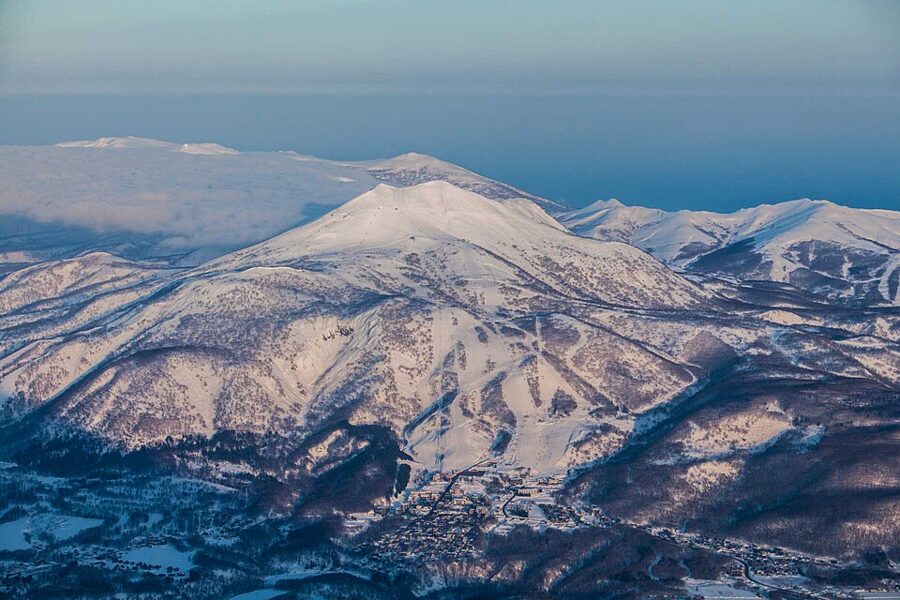

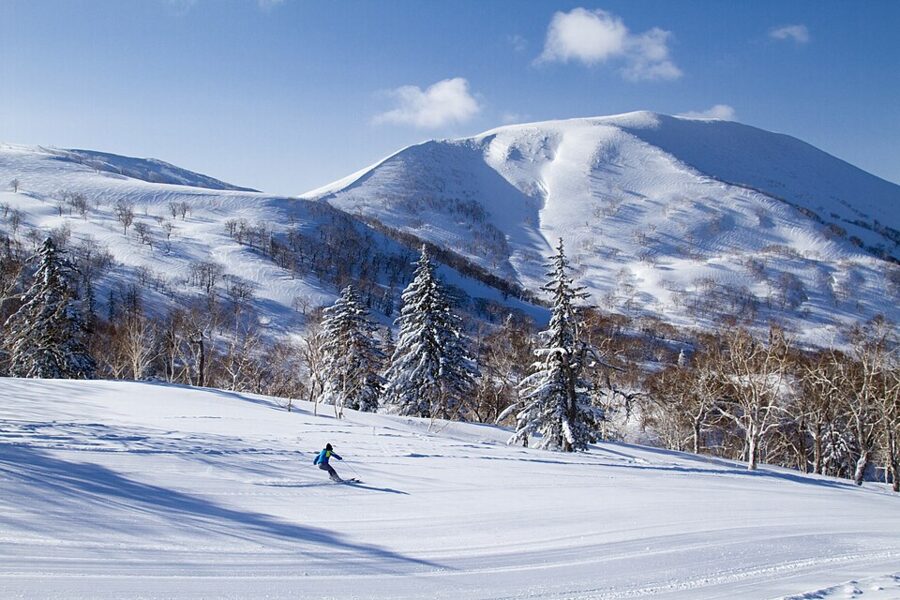
Rusutsu is an hour’s drive inland from Niseko, one company’s resort spread over West Mountain, East Mountain and Isola, with tree skiing on Isola that is among the best lift-served off-piste in Japan. It also has the dearest walk-up ticket of any big resort in Japan this winter: ¥16,700 at the window in the regular season, or ¥13,200 bought online through the resort. The Big Runs bus from New Chitose Airport takes 120 minutes and must be booked, and from 28 November 2026 the winter bus between Sapporo and Rusutsu stops being free. It is on the Epic Pass, and its snow is Niseko’s snow with fewer people.
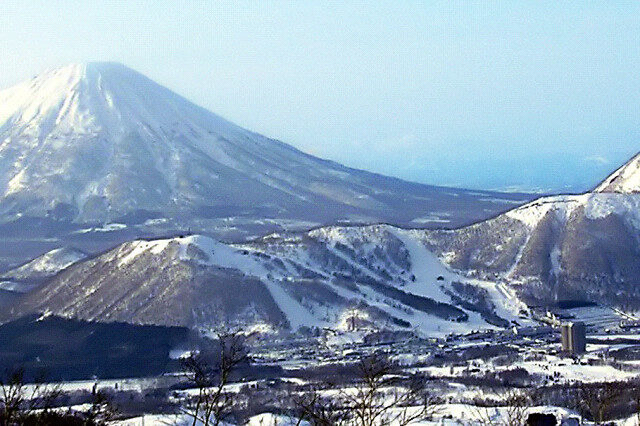

The cone across the valley from Rusutsu is Mount Yotei. Niseko, Rusutsu and Yotei sit in the same corner of the island, the Shiribetsu district, and share the same storms, the same roads and, increasingly, the same crowds.
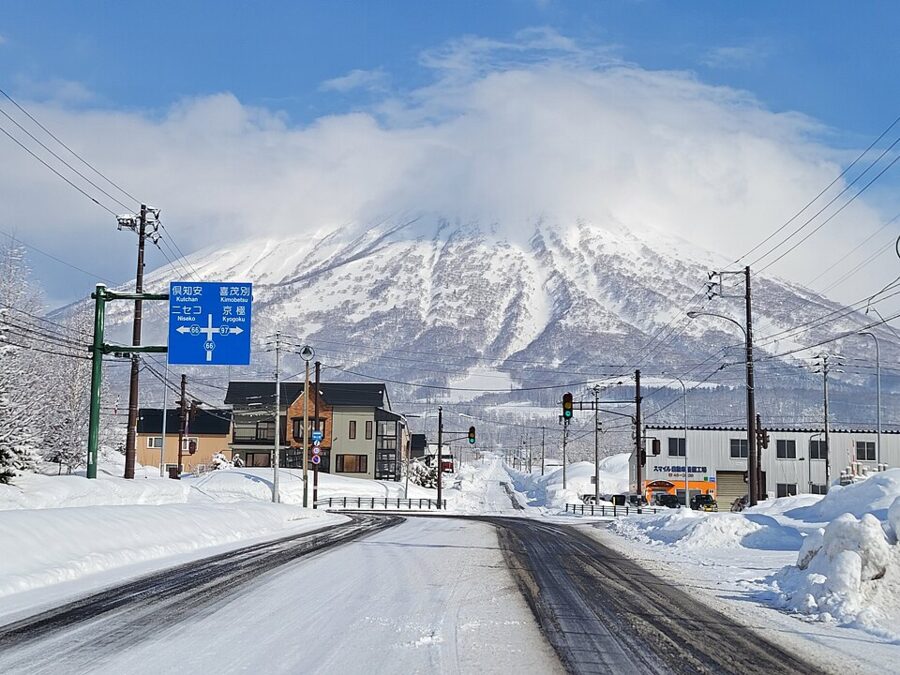

Kiroro
Kiroro (キロロ) is a big snowfall, a lot of trees and not much else. It sits in a bowl in Akaigawa village, inland from Otaru, on the flanks of Asaridake and Nagamine, and its weather station in the valley below records 966 cm of snow in a normal winter. The resort’s own lift status page lists nine lifts, twenty-four runs and thirteen separately opened tree-run and off-piste zones, with names from Powder Ridge to Bear Trap.
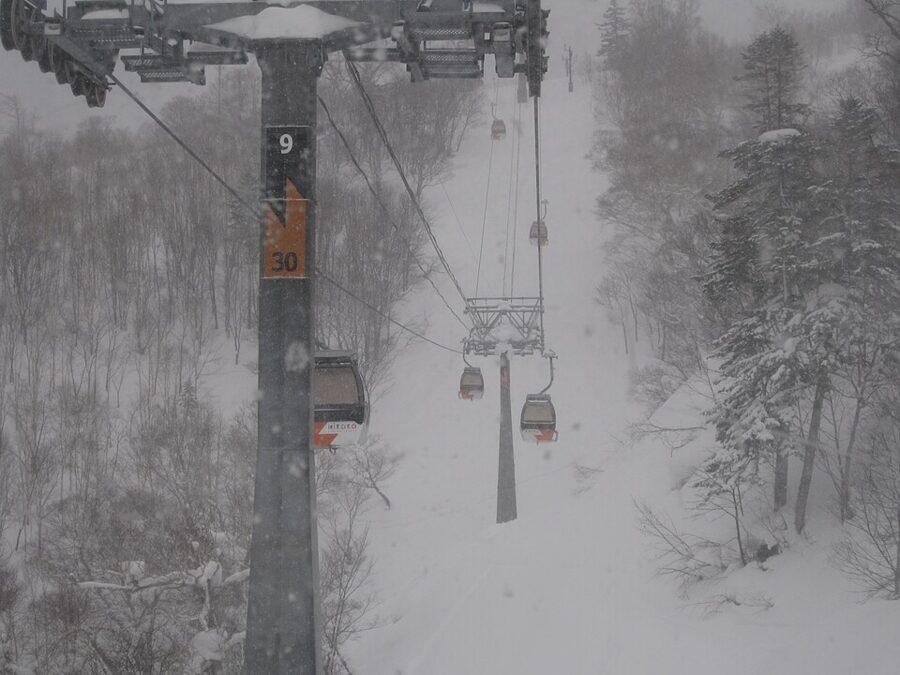

The terrain suits a strong intermediate who wants to start skiing trees: long groomers between the zones, and gladed areas that the resort opens one at a time. Behind the gondola, Yoichidake (余市岳) rises to 1,488 m, the highest point inside Sapporo’s city boundary, and it is a backcountry objective in its own right. Beyond the marked zones you are in uncontrolled terrain, as anywhere else.
The season runs from 28 November 2026 to 5 May 2027. Kiroro’s lift prices are ¥9,200 for an adult day in high season (12 December to 11 April) and ¥5,800 in the early and spring weeks, with a four-hour ticket at ¥7,800 and a night pass at ¥3,000. Multi-day passes are simply the day price multiplied, ¥46,000 for five days in high season, and the resort’s webstore takes up to 5% off daily tickets. Do not buy Kiroro tickets from any other website: the resort says tickets from unauthorised sellers will not be accepted.

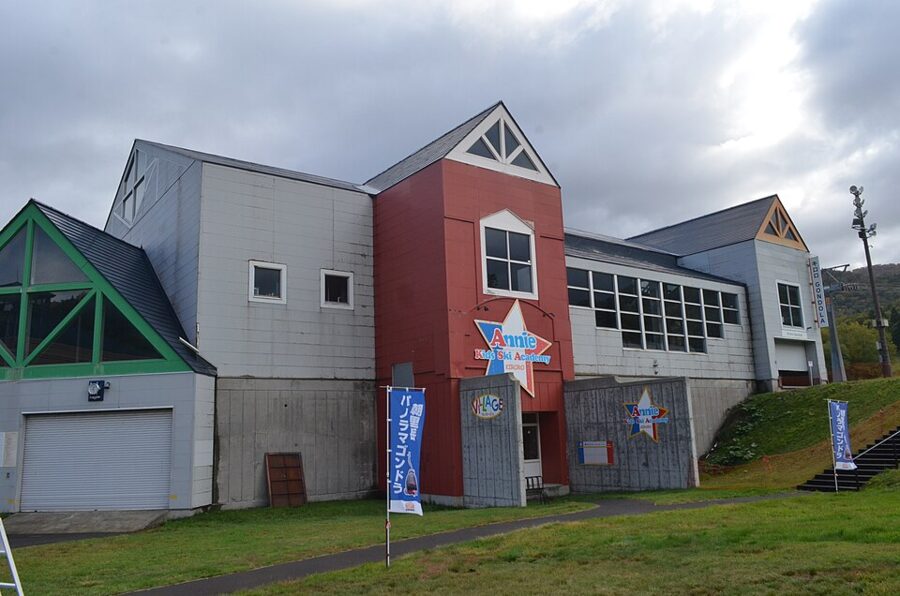
Getting there is easier than its location suggests. Kiroro’s winter access page lists a bus from Otaru that runs through the season, from 28 November to 5 May; the Kiroro Ski Bus from Sapporo from 10 December to 11 April; and the Kiroro Powder Express from Sapporo between 19 December and 28 February, whose passengers get priority boarding on the gondola from 08:45, fifteen minutes before it opens to everyone else. A ski bus also links Niseko Grand Hirafu and Kiroro from 21 December to 26 February, with no service on 1 January or 5–10 February.
The train gets you to Otaru, and from there it is a taxi of about 40 minutes and about ¥12,000 one way. No taxis wait at Kiroro, so book the return before you go up. By car, it is the Sapporo-Otaru expressway to the Asari interchange and then Route 393 over the hills, with free parking for about 1,900 cars. On any bus or train, skis and boards must be in a bag or case or the driver will refuse them.

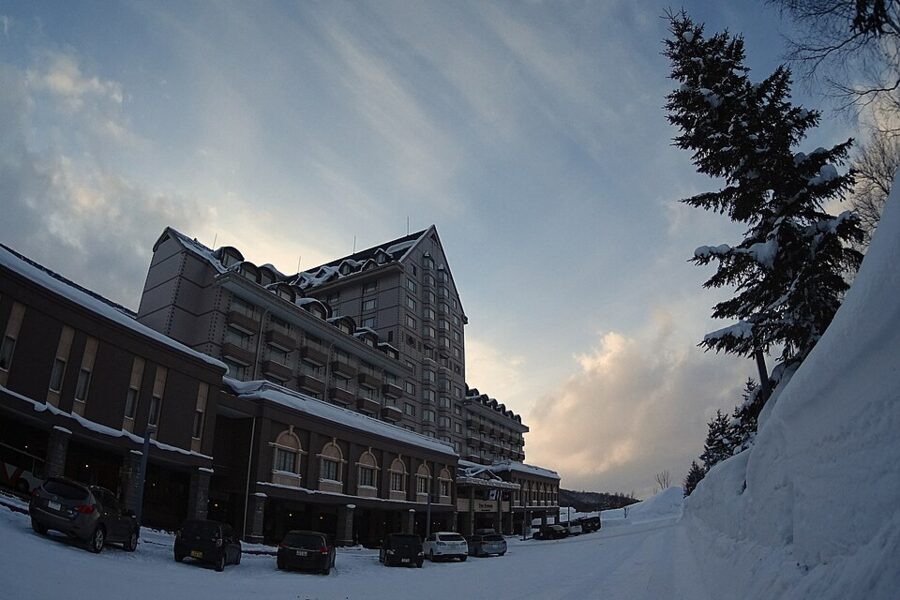
Beds at Kiroro are in a handful of big properties: the Sheraton Hokkaido Kiroro Resort, The Kiroro, a Tribute Portfolio Hotel, the Yu Kiroro condominiums and two Club Med resorts, Kiroro Peak and Kiroro Grand. For a cheaper Kiroro week, sleep in Otaru and ride the morning bus up.
Sapporo and Otaru: skiing from a city base
Sapporo is a city of nearly two million with ski areas inside its limits, and it is the cheapest, easiest base in Hokkaido for a skier who wants variety and does not mind a bus ride. You trade the morning first chair for restaurants, bars and a hotel that usually costs less than a resort room. Four city hills and two in Otaru are within an hour, and Kiroro’s buses start in the city centre.
Sapporo Teine
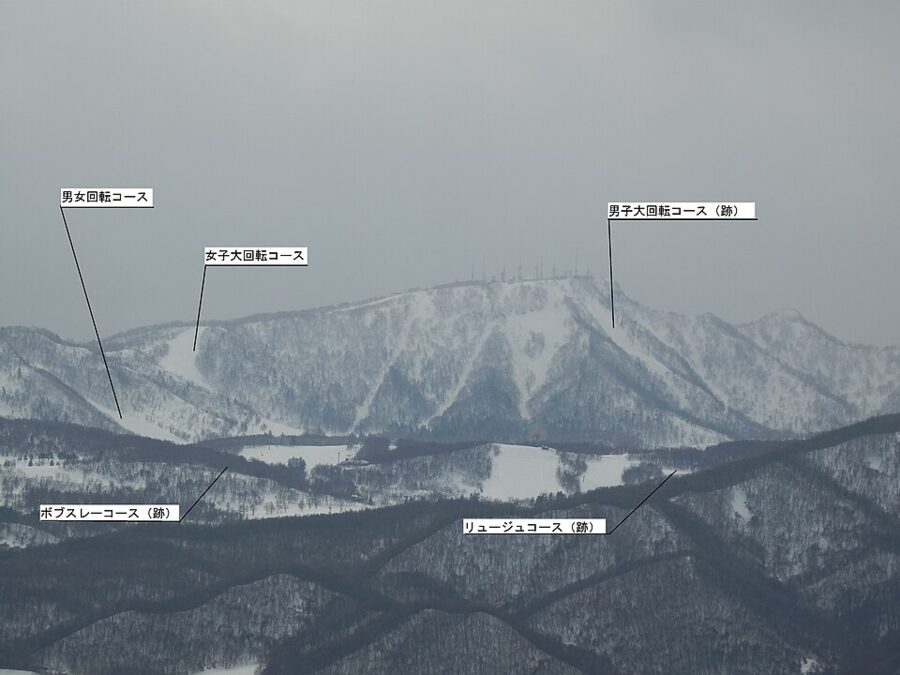
Sapporo Teine is on Teineyama (手稲山), 1,023 m, in the north-west of the city, and it was the alpine venue for the 1972 Sapporo Winter Olympics. It has two zones: Olympia, the lower and gentler, with the old Olympic cauldron still standing; and Highland, up towards the summit, steeper, with long runs and the view straight down over the city and the sea. Kamori Kanko, which also runs Rusutsu and Sahoro, operates it.
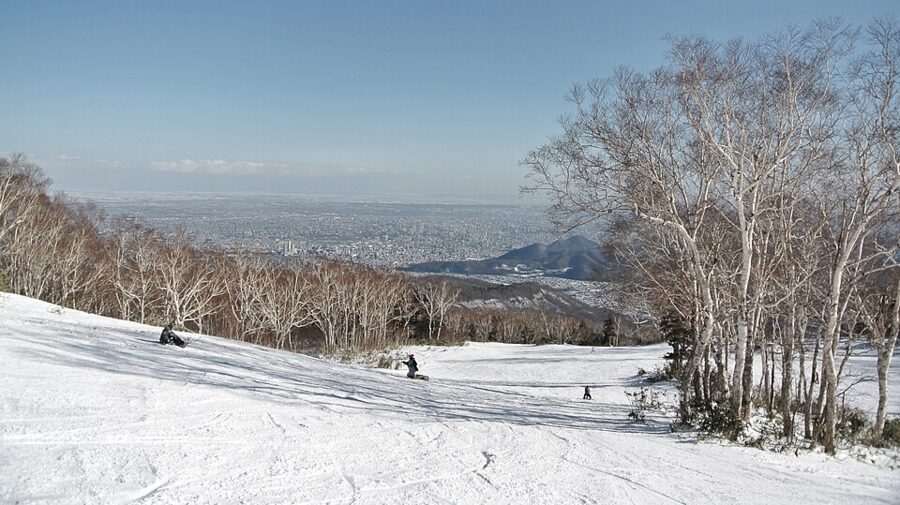

Teine’s lift prices are ¥9,400 at the window or ¥8,400 online for an adult day in the opening weeks to 18 December, then ¥9,800 or ¥8,800 in the regular season from 19 December to 7 March, and ¥7,600 or ¥6,600 for spring skiing to 28 March. The day ticket runs until night skiing ends, and a separate night ticket for 16:00–20:00 is ¥3,900, or ¥2,900 online. The online discount is a straight ¥1,000 on most tickets, so buy before you go.
From central Sapporo, take the JR train to Teine station and then a JR Hokkaido Bus: 16 minutes to the Olympia zone. Teine’s access page gives the drive as about 40 minutes from central Sapporo and 60 minutes from New Chitose Airport, with free parking for 2,800 cars. Taxis do not wait at the ski area, so arrange the return before you leave town.

Sapporo Kokusai
Sapporo Kokusai is an hour’s drive from the city, past Jozankei on the road that climbs over to Otaru, and it has the longest season of the Sapporo hills: 20 November 2026 to 5 May 2027. The runs are mostly wide and forested, with a gondola, the Sky Cabin, from the base, and the lift to the north shoulder of Asaridake, the same mountain as Kiroro’s gondola from the other side.
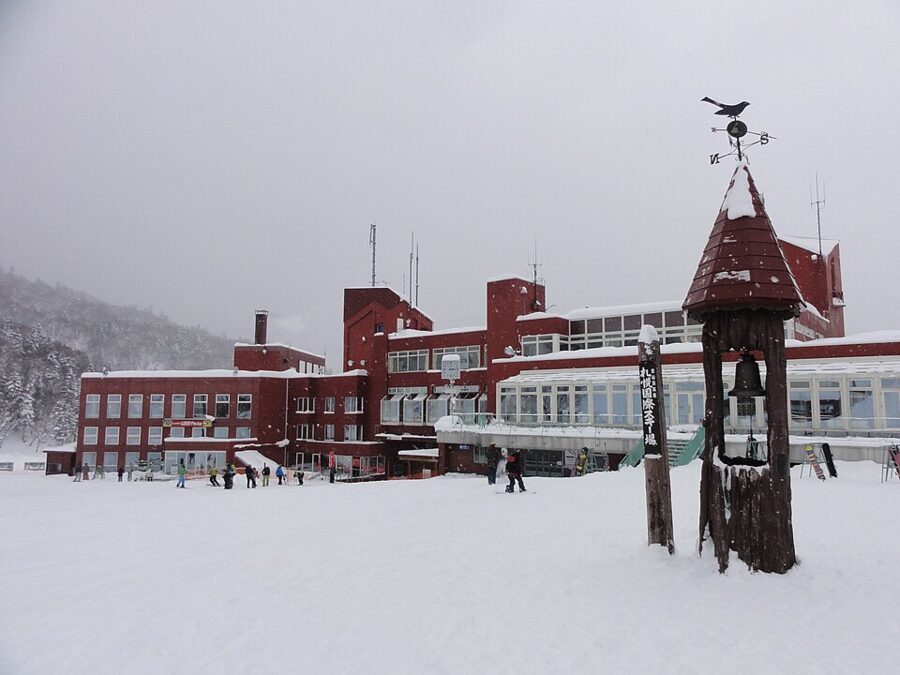

It is also cheaper. Sapporo Kokusai’s lift prices are ¥7,000 for an adult day, or ¥6,700 bought online, through 31 March, then ¥6,500 in the spring season, plus a refundable ¥500 deposit on the IC card. Seniors from 60 pay ¥6,000, and non-skiers can ride the gondola up and back for ¥3,200.
The catch is the bus. The ski buses to Sapporo Kokusai run on a reservation basis, from Sapporo Station, Odori and Susukino with Hokkaido Chuo Bus and Jotetsu Bus, booked by 17:00 the day before online. Book the return too: the ski area warns that if the bus home is full you may have no way back. A separate Otaru liner runs from 18 December to 14 March, and a hotel shuttle from six central Sapporo hotels from 2 December to 31 March.

Bankei and Moiwa: the night hills
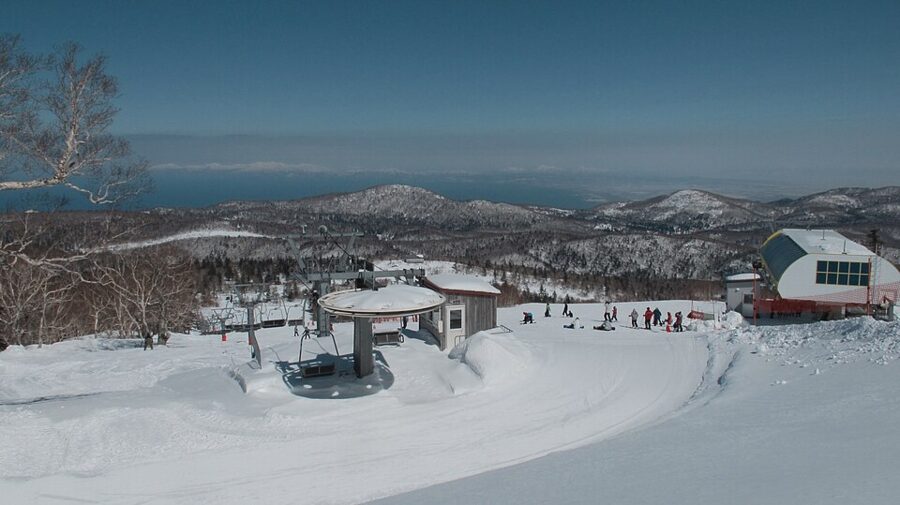
Sapporo’s two nearest hills are the ones the city uses after work. Bankei is about 20 minutes from Sapporo Station by taxi, about ¥3,000, or 10 minutes and about ¥2,000 from Maruyama-koen subway station. The Bankei bus runs there from three subway stations, Maruyama-koen, Hassamu-minami and Makomanai, every day of the season.
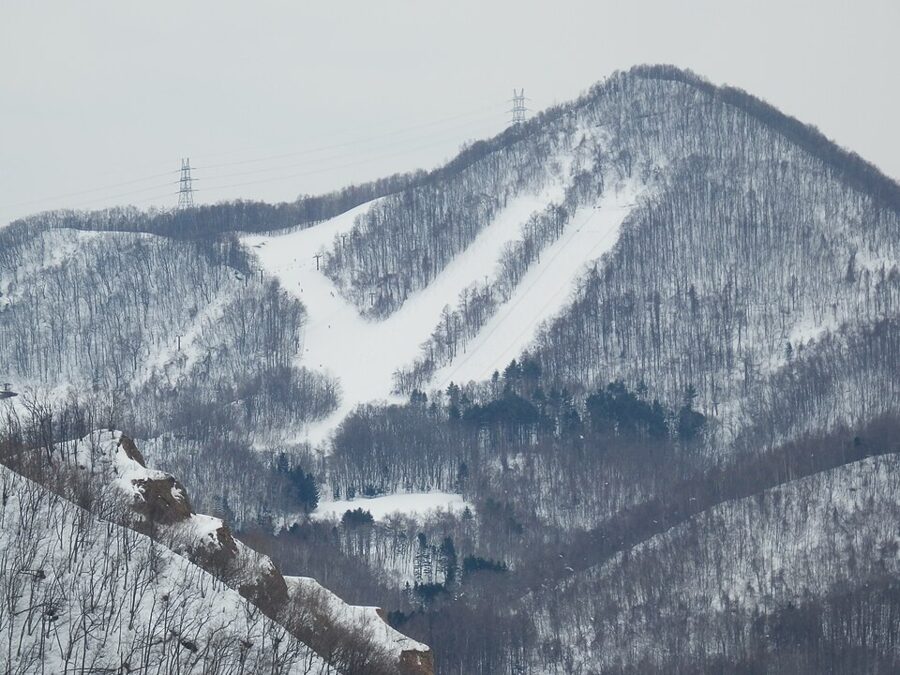

Bankei’s ticket prices show how a local hill thinks. An adult day is ¥7,500, a night ticket from 16:00 is ¥2,500, and a weekday four-hour ticket with lunch is ¥6,300. The one I would buy is the jingisukan lunch pack: a four-hour lift ticket plus 60 minutes of all-you-can-eat grilled lamb at the Bankei-en restaurant for ¥4,400, as long as you sit down by 15:00.
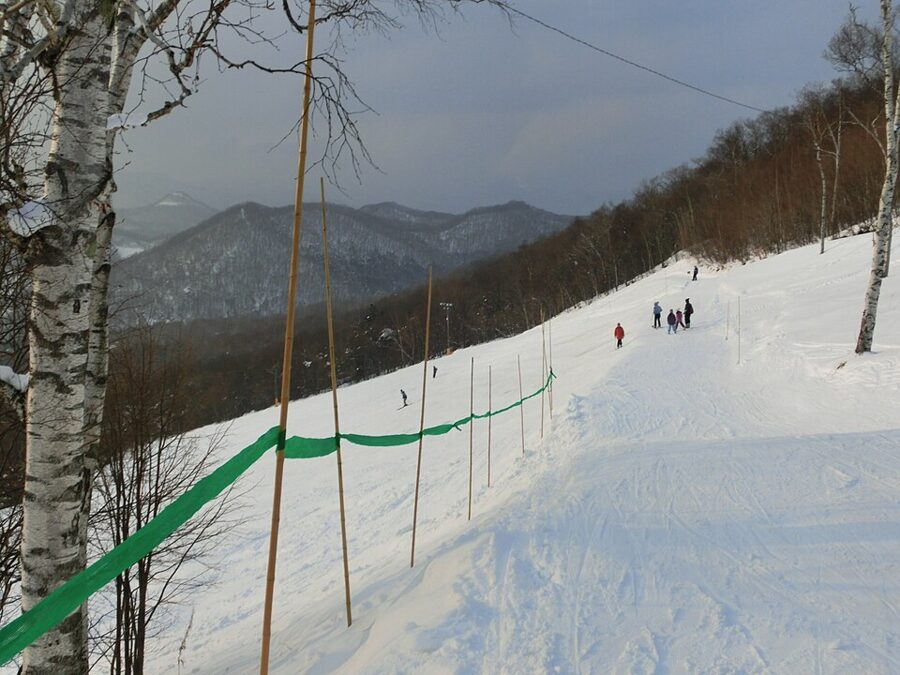
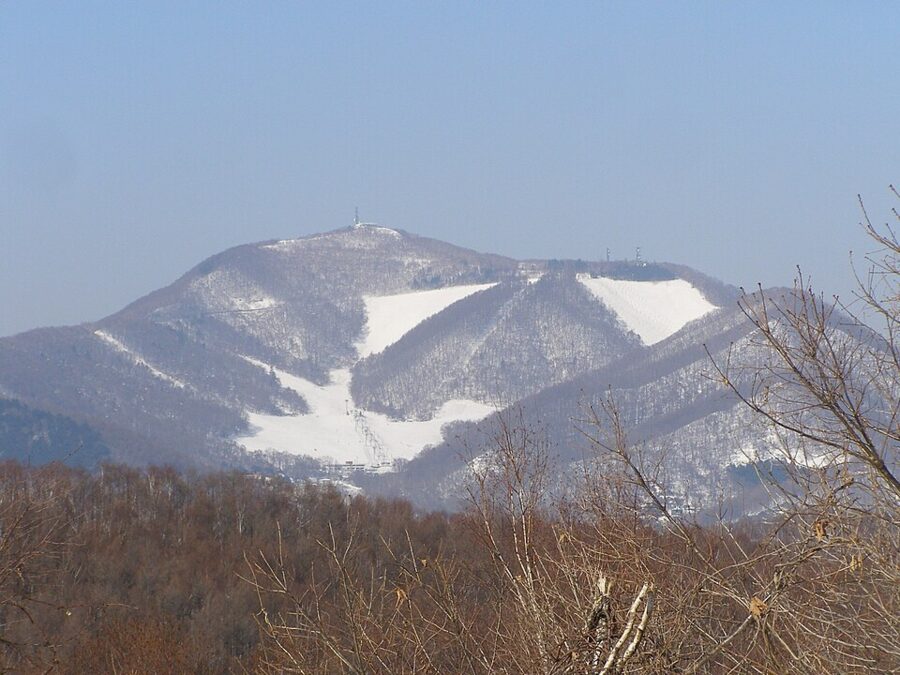
Sapporo Moiwayama Ski Area is on Mount Moiwa, the hill above the city centre that most visitors know for its night-view ropeway. It has north and south slopes joined by a run along the old sightseeing road, and since the 2025–26 season snowboards are allowed on every run; until then it was a skiers-only hill. Last winter it ran from 20 December to 15 March with floodlit skiing until 21:00, and a shuttle bus from Makomanai subway station costs ¥1,000 each way; Moiwa’s access page has the timetable and the free car parks.

Otaru: Asari and Tenguyama
Otaru, on the coast west of Sapporo, has two hills that look over the sea. Asarigawa Onsen Ski Resort is in the hot-spring valley behind the city, with four lifts and a view from the runs out over the water. Asarigawa Onsen’s lift prices for 2026–27 are ¥6,500 for an adult day aged 19–59, or ¥6,300 online, and the resort plans to open in early December.
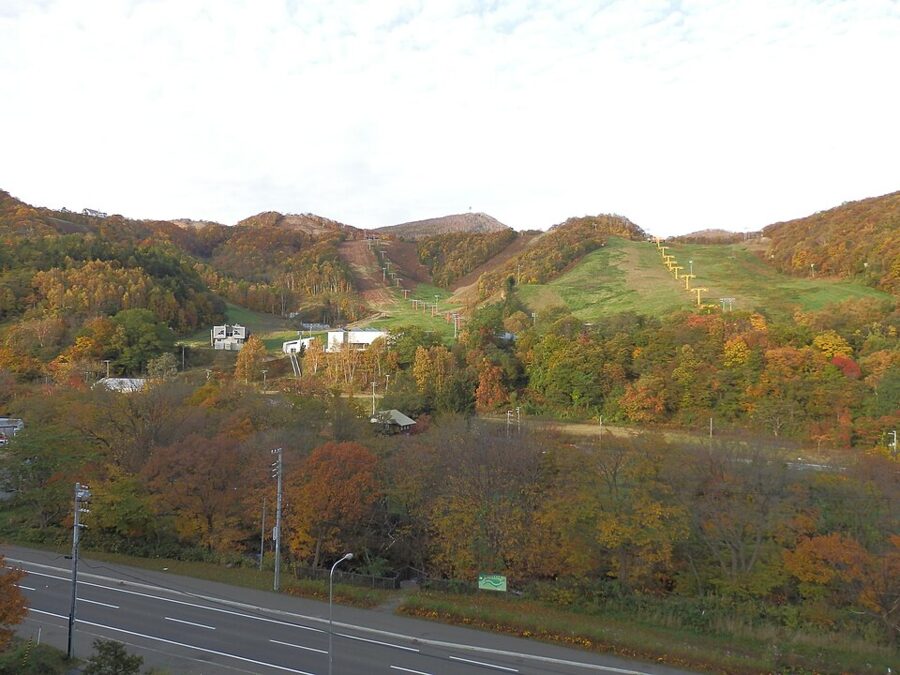

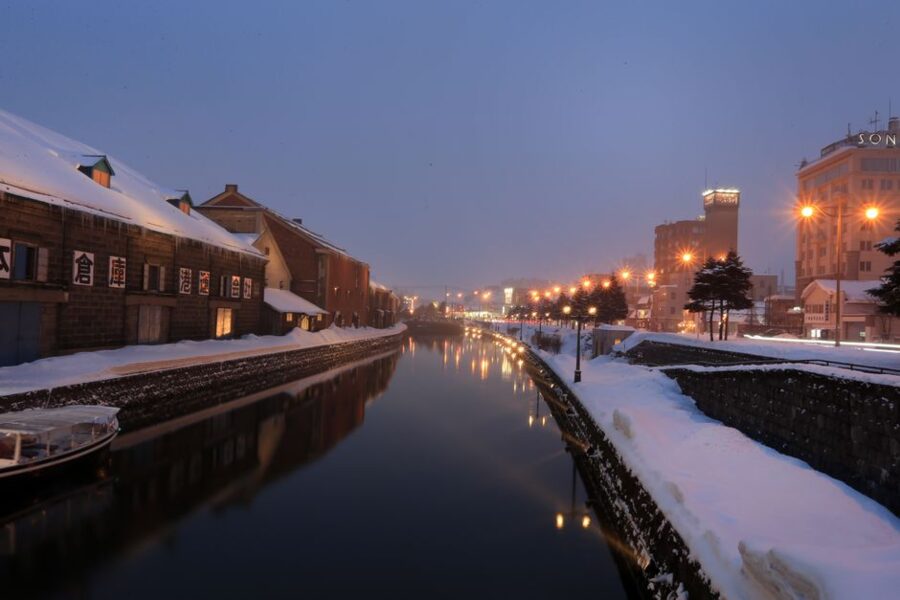
Tenguyama is Otaru’s own mountain, a ropeway ride above the city with a small ski area at the top and the harbour lights below. The Otaru Tenguyama Ropeway, run by a Hokkaido Chuo Bus company, operates in winter from 28 November to 28 March. Ski it for the view and an evening in Otaru afterwards; it is not a powder day.

How a city-base week works
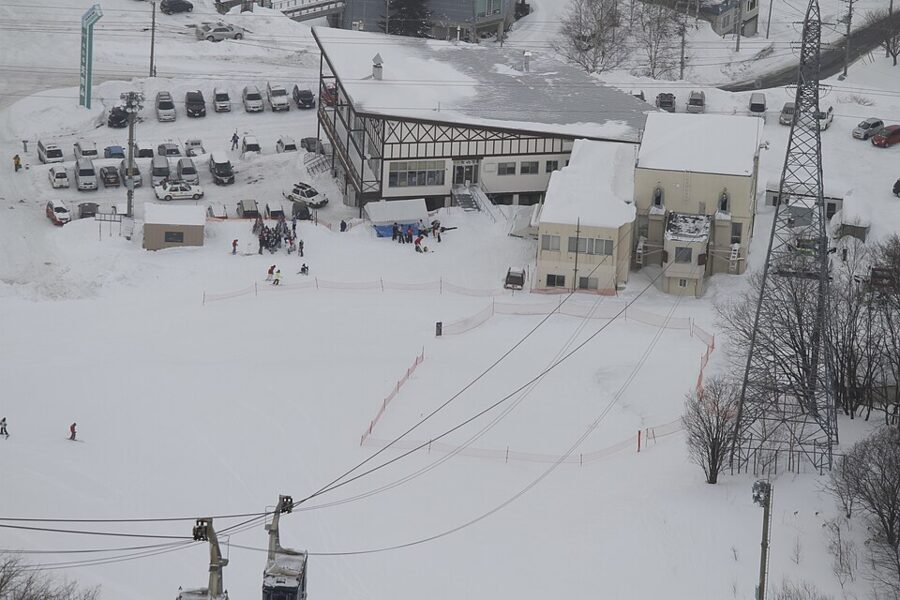
A week from a Sapporo hotel can take in Teine, Kokusai, Kiroro and an evening at Bankei or Moiwa without a car. The rhythm is a bus at about 08:00, four or five hours on the hill, back to town by mid-afternoon, and a night session if your legs allow. On a storm day, go to Kokusai or Kiroro; on a clear one, go to Teine for the view.
What you give up is the hour after a big night of snow, when the resort guests have the first lifts to themselves. If that hour matters to you, split the week: three nights in Sapporo for the city hills, and three at Kiroro or in Otaru for the storm days.
The interior: Furano, Tomamu, Asahikawa and Daisetsuzan
The middle of Hokkaido is where the cold snow lives. The resorts are smaller and further apart than on the west coast, the towns are farming towns, and the snow is as dry as any in Japan. The resorts here sell themselves together as the Hokkaido Powder Belt; the name is a marketing label, but the thermometer backs it up.
Furano
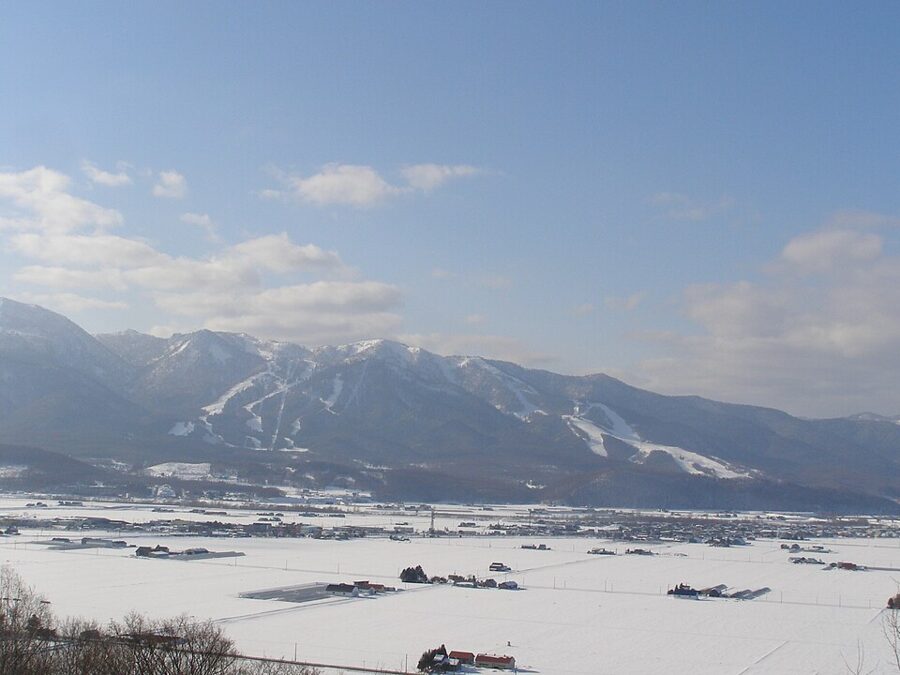
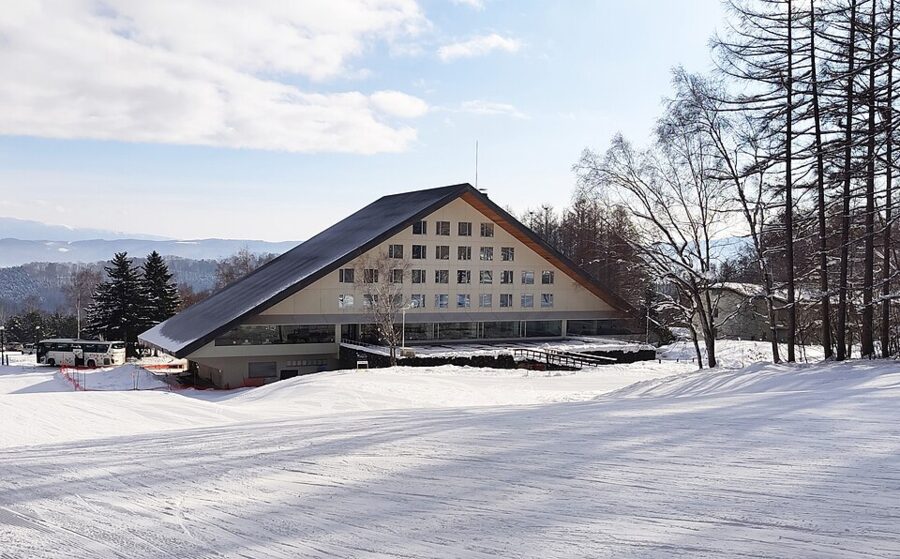
Furano is two linked zones, Kitanomine and Furano, on the hill above a real town with restaurants that do not close when the lifts do. It hosted FIS World Cup races from 1977, and the runs show it: long, groomed, consistent pitches with a ropeway from the Furano zone base. Seibu Prince runs it, which means the Shin Furano Prince Hotel at the bottom of the Furano zone and a resort that works smoothly and politely rather than with any edge.
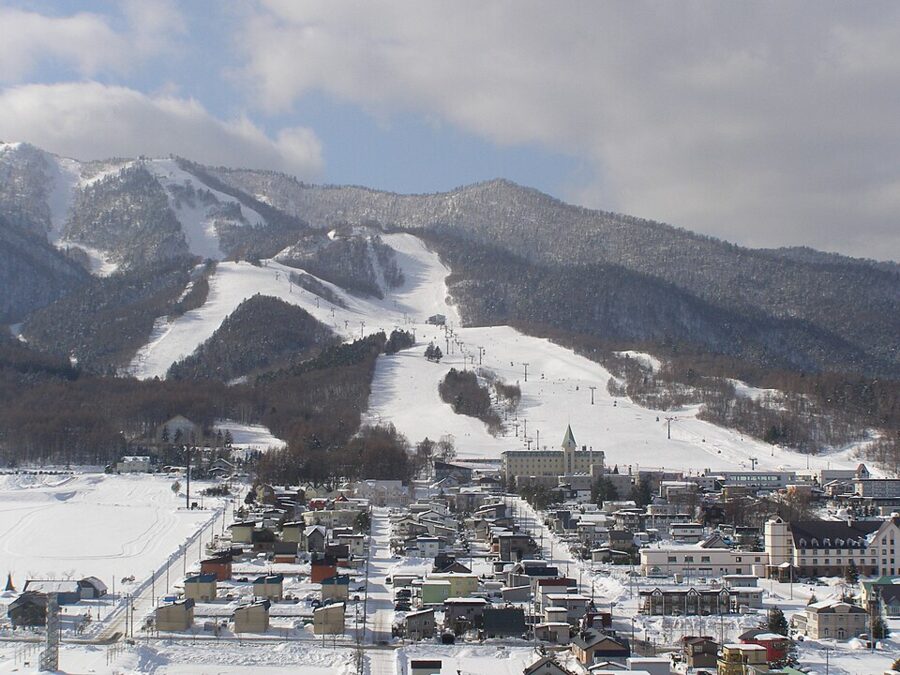
The season runs from 28 November 2026 to 5 May 2027, and an adult day ticket is ¥9,000 in the regular season. Two details make it a family resort: Furano’s lift policy lets every child up to the end of primary school ride free, and 20-year-olds ride free on weekdays in the eligible period. Since the 2025–26 winter Furano has been on the Ikon Pass.
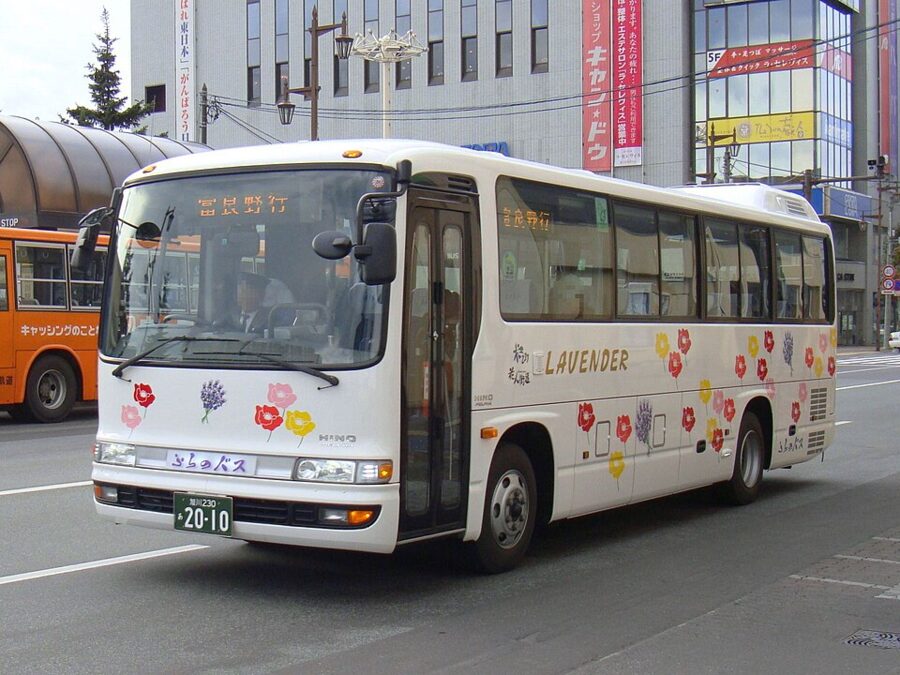
Getting there is by train or bus through Asahikawa. Furano’s access page gives about 70 minutes from Asahikawa station to Furano station by JR, or about 3 hours from Sapporo with a change at Takikawa. The Lavender bus runs seven times a day from Asahikawa station and Asahikawa Airport to the Shin Furano Prince Hotel, and the Highway Furano bus seven times a day from Sapporo to Furano station.
By road it is 114 km and about two hours from Sapporo, 60 km and 1 hour 25 minutes from Asahikawa. There is no direct train from Furano to Obihiro, so treat Furano as an Asahikawa-side resort rather than a stop on the way to Tomamu and Sahoro.

Tomamu
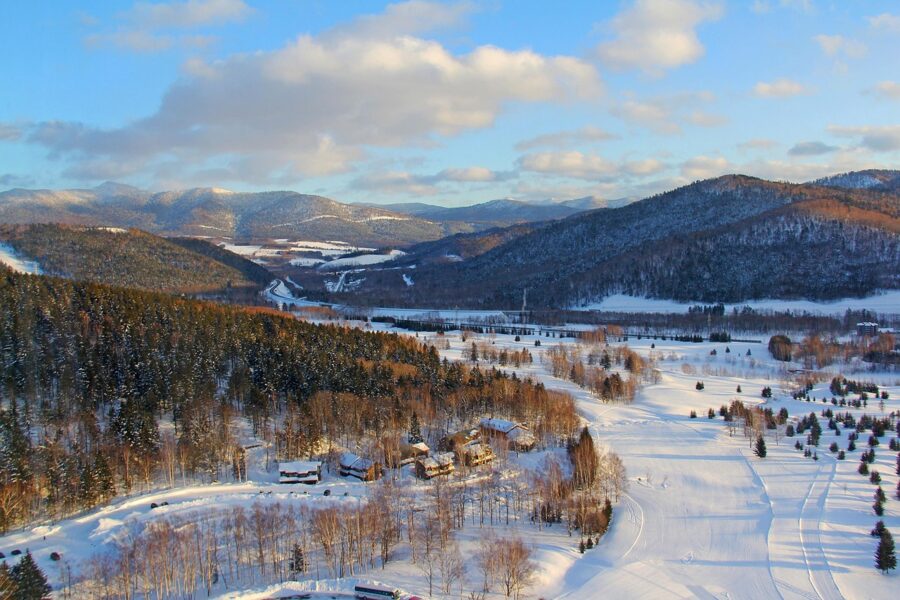
Tomamu is a resort built from nothing in the 1980s around tower hotels on a ridge in Shimukappu village, with its own station on the JR line from Sapporo to Obihiro. Shimukappu’s village station has the lowest January figures in the table above, a mean of -9.8°C and an average daily low of -18.0°C, and Tomamu’s snow is as dry as Furano’s. It suits families and anyone who wants everything under one roof, including the Ice Village and the Rime Terrace viewing deck; it does not suit anyone looking for a town.
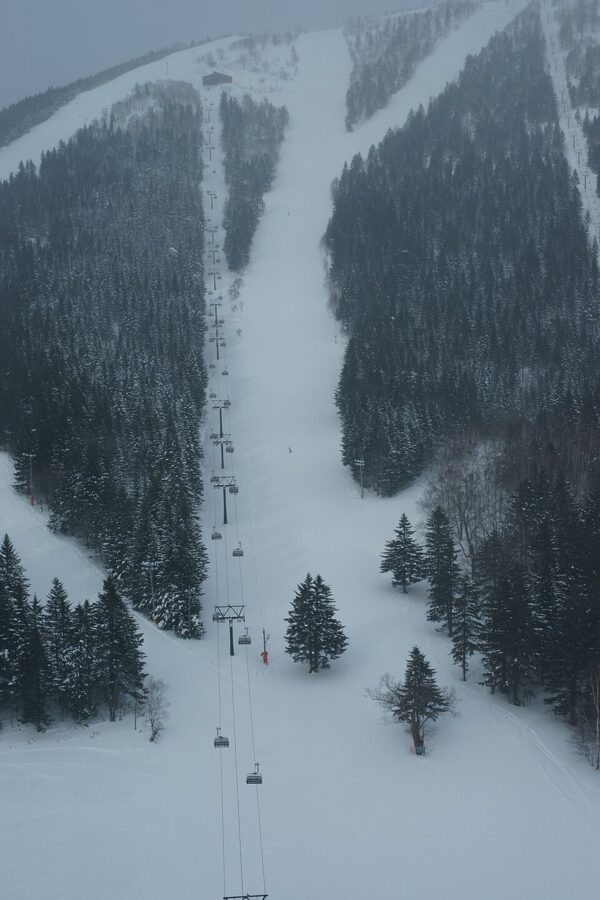

The 2026–27 season runs from 1 December 2026 to 5 April 2027. The adult day ticket is ¥9,200, or ¥5,000 in the early weeks (1–20 December) and the last week (29 March to 5 April). The best thing at Tomamu for a strong skier is the experts-only open area: designated off-piste terrain opened in stages from mid-January to 31 March, 08:30–15:00, with a helmet and the yukiyama GPS app compulsory and checkout through the app by 15:30.
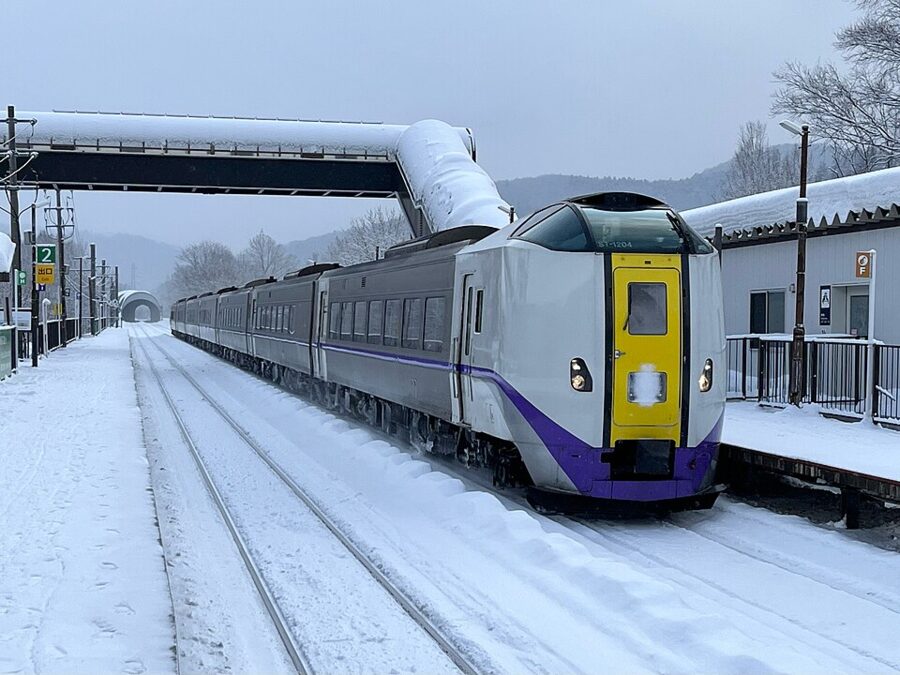
Tomamu station is served only by limited expresses, the Ozora and Tokachi on the Sapporo to Obihiro line, and every seat on JR Hokkaido’s limited expresses is reserved. The Sapporo-Furano Area Pass does not cover Tomamu. The alternative is the Tomamu bus liner: ¥7,000 from central Sapporo or ¥6,000 from New Chitose Airport each way, daily from 1 December to 30 March. A day pack with the return bus from Sapporo and a lift day costs ¥9,800, one of the best-value days out of Sapporo on the island.

Kamui Ski Links and Pippu: Asahikawa’s hills
Kamui Ski Links is Asahikawa’s mountain, on the western edge of the city, and of the big hills it is the best value in Hokkaido. Kamui’s 2026–27 lift prices are ¥5,300 for an adult day and ¥4,600 for four hours, plus a refundable ¥500 card deposit. The name is the Ainu word for a god, the runs are steeper than the ticket suggests, and the upper mountain has ungroomed tree terrain off the top lifts.
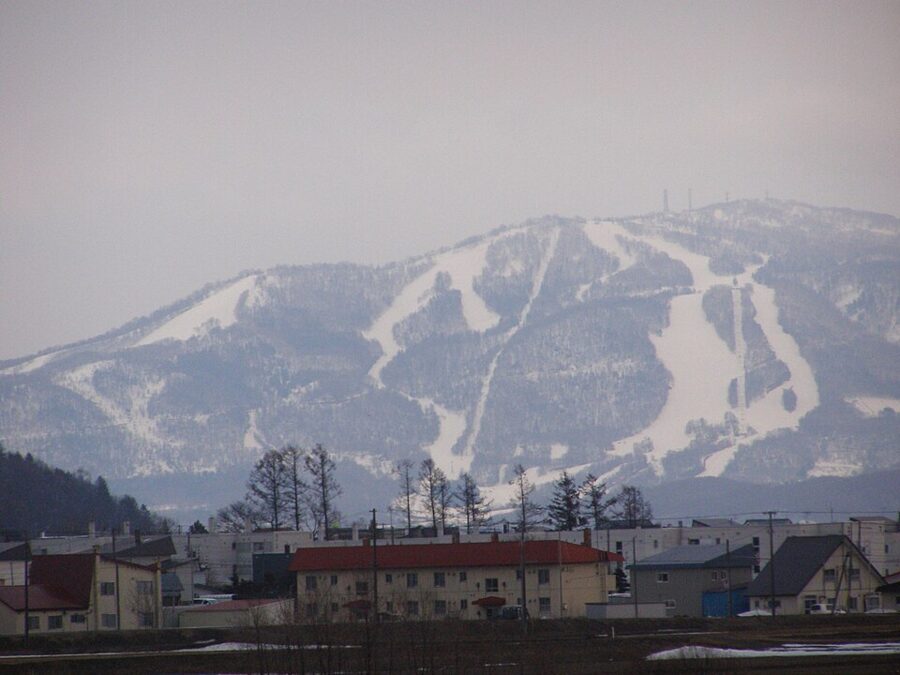
There is no night skiing at Kamui, so treat it as a day trip from an Asahikawa hotel. It left the Hokkaido Season Net, the resident discount network, for this season, which makes no difference to visitors paying the day price.
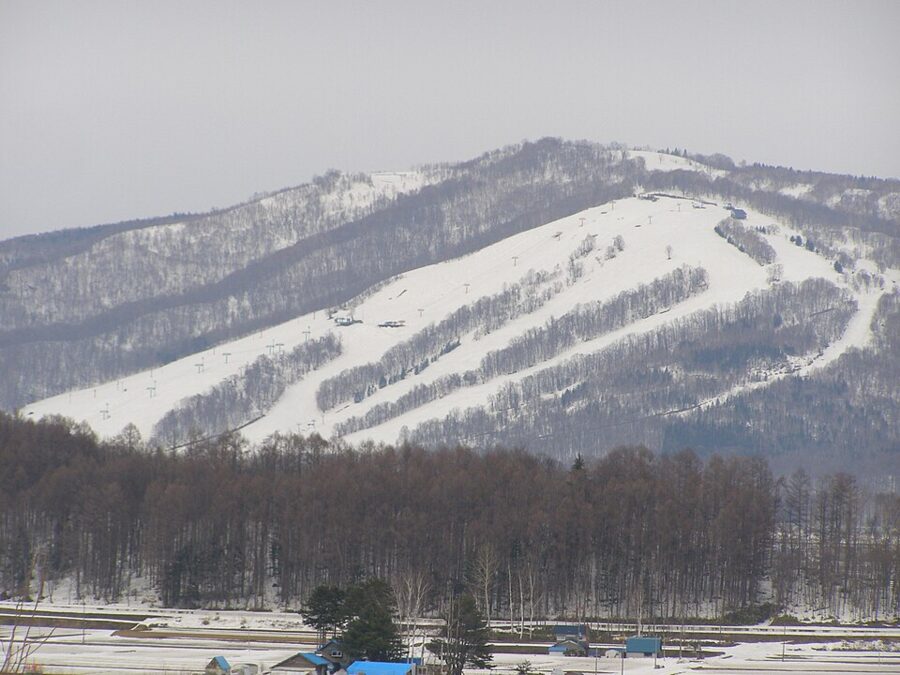
Pippu is the other way, north of Asahikawa on the Soya line, a town-run hill above the Kamikawa basin with the Daisetsuzan range across the plain. It is small and friendly, with a 2,200 m beginner run, the Strawberry course, named for the town’s strawberries, and night skiing to 20:30 until the end of February. The useful detail is on Pippu’s access page: a free shuttle bus runs daily in the season from Pippu station, which is 15 minutes from Asahikawa on a rapid train.
Asahidake
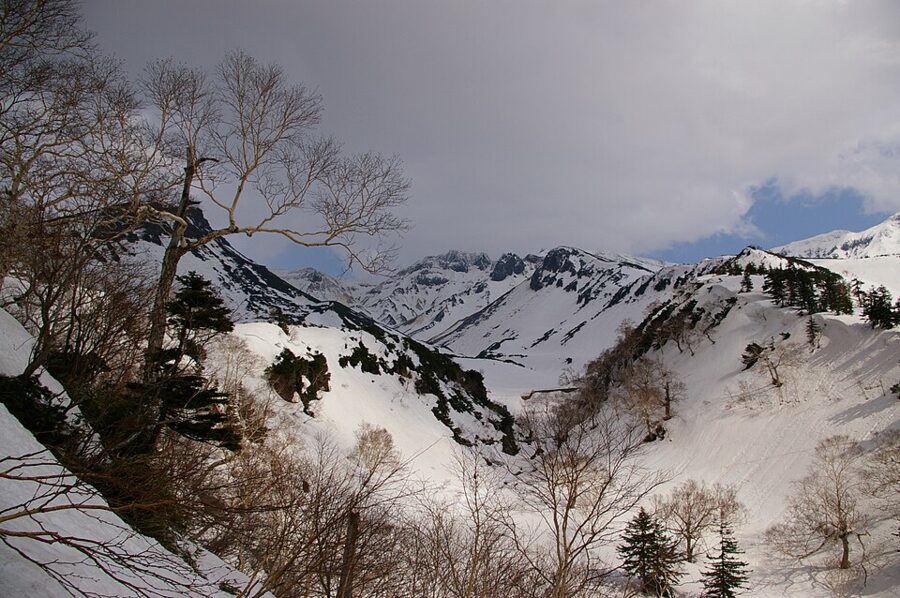
Asahidake, 2,291 m, is the highest point in Hokkaido and not a resort. It is an active volcano in Daisetsuzan National Park, at Level 1 on the Japan Meteorological Agency’s scale, with one ropeway from Asahidake Onsen to Sugatami station at about 1,600 m and a great deal of steep, cold, unpatrolled terrain below it. In midwinter the ropeway runs every 20 minutes, and an adult return is ¥2,800 from November to May.
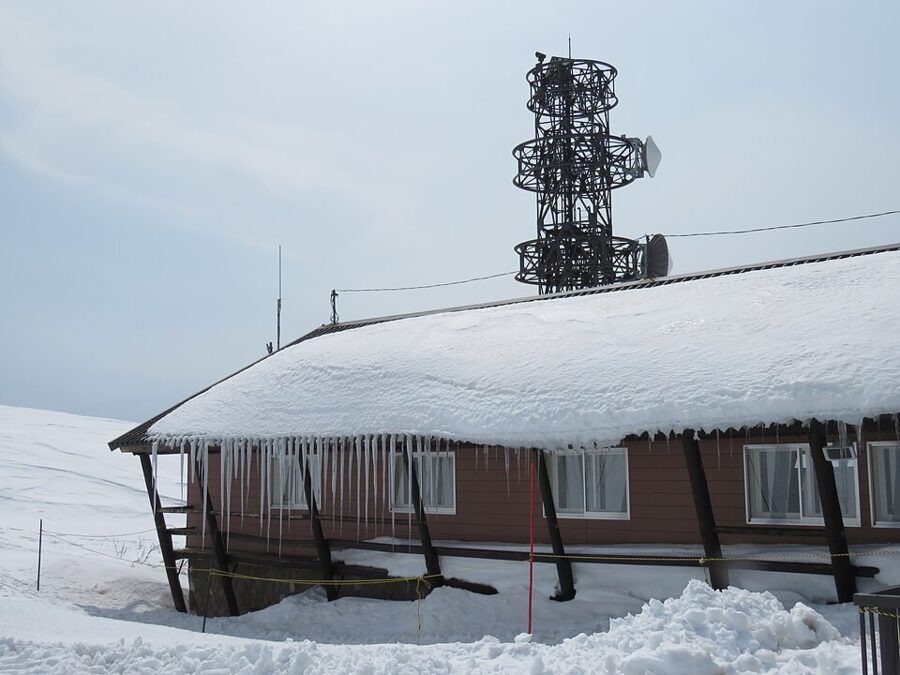

The Asahidake ropeway is closed for maintenance from 16 November to 10 December 2026 and restarts on 11 December. Skis and boards are only allowed in the cabin during the period when the ski courses are certified for use, which depends on the snow covering the creeping pine on the upper slopes. Before that date in early winter, the ropeway carries sightseers only.
Without a car, take the Ideyu bus. Asahikawa Denkikido’s route 66 runs four times a day from Asahikawa station via Asahikawa Airport to Asahidake: the first bus leaves the station at 07:15 and reaches the ropeway at 09:03, and the last bus down leaves Asahidake at 16:55. The fare is ¥2,300 from Asahikawa station and ¥1,650 from the airport, with no return discount.
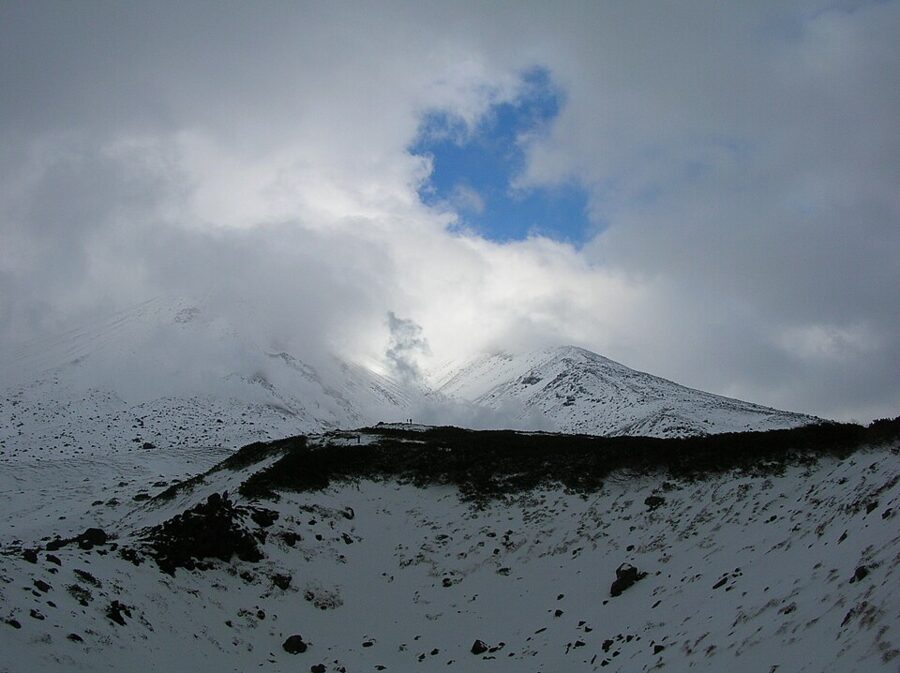

I’d go with a guide or with real backcountry experience; this is the coldest powder in Japan and also the most exposed. The runs down to the forest above the onsen are long and committing, and the descent is entirely your problem.
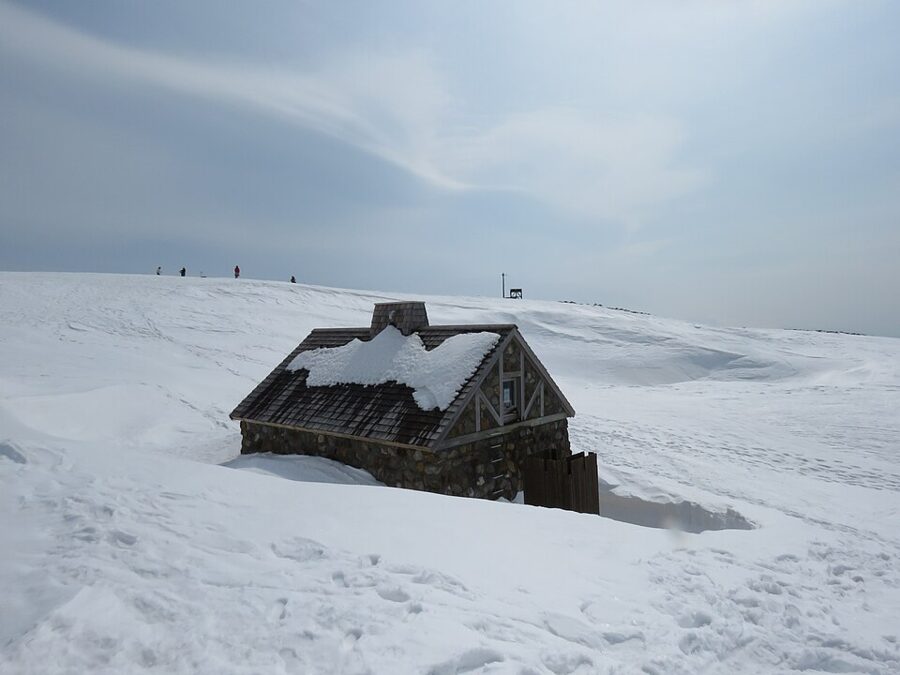

Kurodake at Sounkyo
Kurodake (黒岳), 1,984 m, rises behind Sounkyo, the hot-spring village in the gorge on the north-east side of Daisetsuzan. A 101-person ropeway climbs from 670 m at Sounkyo station to the fifth station at 1,300 m in about seven minutes, and a chairlift continues above it. Kurodake’s ski area is on the north-east slope, with pitches between 8 and 25 degrees, and it runs from early December to early May: about half the year.
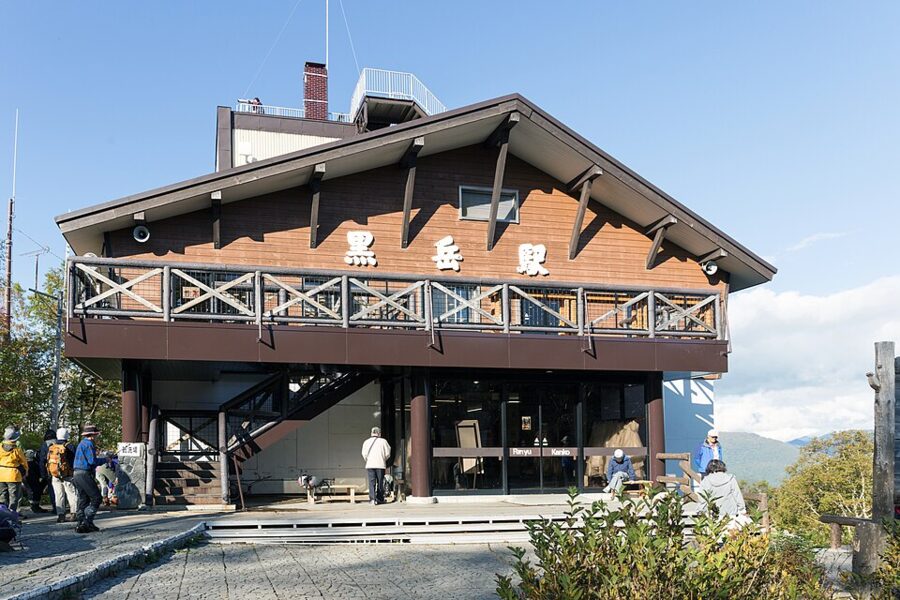

This season brings a change worth knowing. A Kurodake day ticket is now a ropeway return plus a lift day, and the ropeway operator explains why: the slope under the ropeway is not a ski course, and skiers coming down it have been getting lost and injured. Ride the ropeway down. The opening is planned for 1 December, and the station at Sounkyo records 907 cm of snow in a normal winter.
Beyond the ski area boundary, you must fill in the forest entry register and the mountain entry consent form in the fifth-station building, and file a climbing notification (登山届) with the police as well. It is the same paperwork every Japanese mountain asks for, and the police accept the notification online.
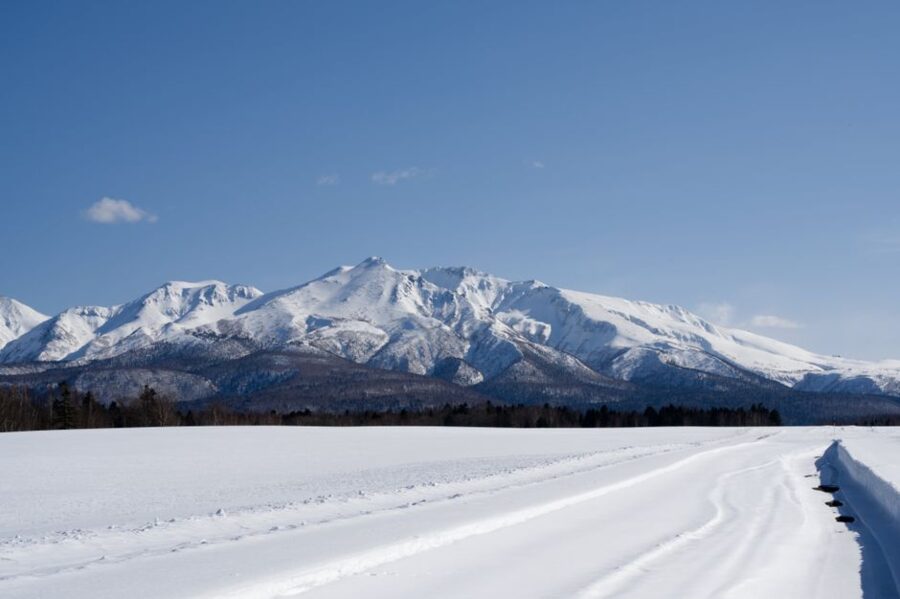
Sahoro
Sahoro is on the western rim of the Tokachi plain, on the slopes of Sahorodake (佐幌岳) in Shintoku town, and it gets the plain’s sun as well as the mountains’ snow. The ski history here is old: in 1922 Itakura Katsunobu and the Hokkaido Imperial University ski club made a ski ascent of the mountain, a pioneering trip into the Hidaka range. The modern resort, on a hill first given lifts in 1980, is a Kamori Kanko property like Teine and Rusutsu.
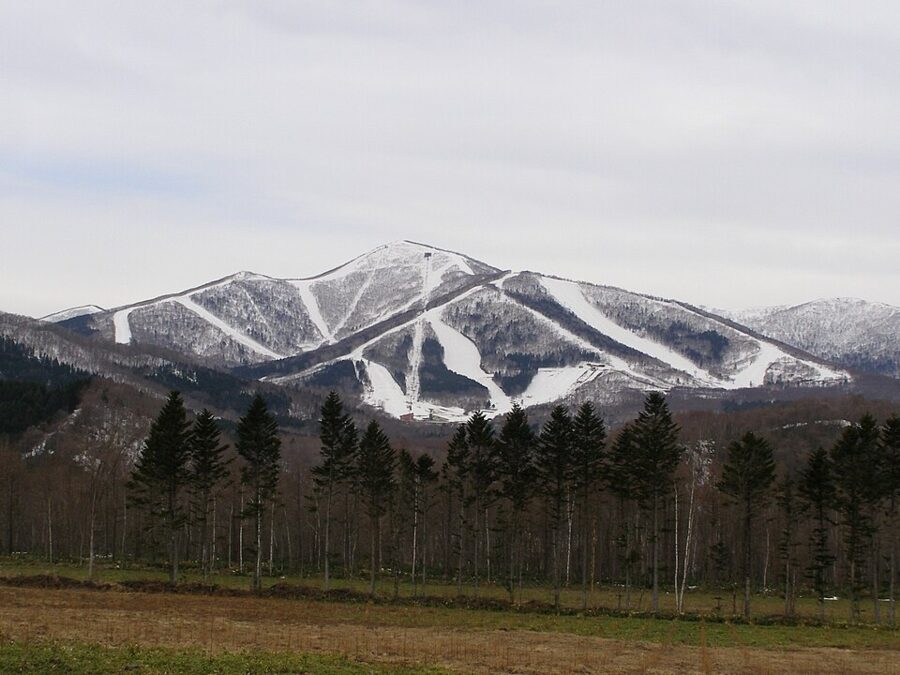
Sahoro’s lift prices for 2026–27 are ¥9,300 for an adult day and ¥7,400 for four hours, with children and over-60s at ¥7,400 a day. The season runs from 1 December 2026 to 4 April 2027, with lifts 09:00–16:00 and until 18:00 on weekends and holidays between 19 December and 22 March. New this winter is a beginners’ area with two covered snow escalators.
Sahoro is also on the railway. Shintoku station is on the Sapporo to Obihiro line, served by the Ozora and Tokachi limited expresses, and the hotel’s free shuttle meets most trains for the 15-minute run up, for hotel guests who book by 17:00 the day before. Direct buses also run from New Chitose and Tokachi-Obihiro airports.

The Powder Belt pass, and who can buy it
The only pass that joins Furano, Tomamu and Kamui Ski Links is the Hokkaido Powder Belt season pass, and visitors cannot buy it. The 2026–27 Powder Belt pass cost ¥90,000 for an adult, was sold to people registered as residents of Japan, by cash in registered post, with applications accepted on one day, 24 August 2026. It sells out every year. For a visitor, the interior is day tickets, one resort at a time.
The north and east: local hills
North of Asahikawa the resorts give way to town hills: one or two lifts, a lodge with a canteen and a ticket window, a slope that the local school uses for its ski lessons, and floodlights so that people can ski after work. They are cold, quiet and astonishingly cheap. A local hill day is not a powder trip; it is what skiing is like for the people who live in Hokkaido, and on a fresh snowfall it can be the best skiing of a week.
From Pippu it is 225 km and about four hours by road to Wakkanai, and the Soya line runs the same way along the Teshio river valley. A road trip up that line, from Asahikawa to the top of the island, takes in more snow than most ski holidays and a handful of hills that will never be on any pass.
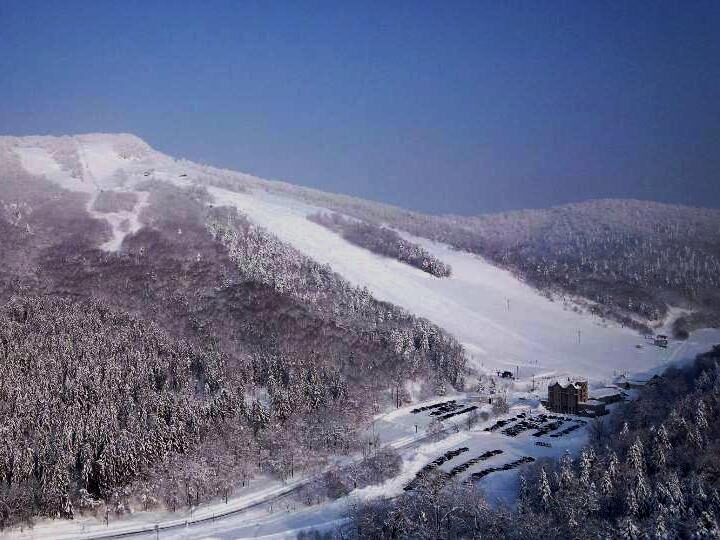
Nayoro Piyashiri is the biggest of them, a proper hill on the edge of Nayoro with a hot-spring hotel at the bottom. Piyashiri’s 2026–27 prices are ¥4,300 for an adult day and ¥1,300 for night skiing, and everyone of junior-high-school age and under rides free. It opens on 11 December, with night sessions 16:30–20:30 on Thursdays and Fridays only, from 17 December to 26 February. The day-plus-onsen ticket with Nayoro Onsen Sunpillar is ¥4,600.
At the top of the island, Wakkanai’s Komadori ski area is inside the city, run by the Wakkanai Shinko public corporation, with a separate snowboard course. An adult day ticket is ¥1,000, a night ticket ¥600, and the lifts run 10:00–17:00 and again 18:00–21:00 from Monday to Saturday, from late December to mid-March. Wakkanai’s January mean is only -4.3°C, but its average wind speed that month is 5.0 m/s; the wind off the Soya Strait, not the cold, is what you notice.
On the Sea of Okhotsk side, Abashiri’s Lake View Ski Area is a city-run hill by Lake Abashiri with long opening hours: Abashiri’s ski area page gives lifts 10:00–21:00 on weekdays, an adult day at ¥2,940 and a Wednesday two-hour ticket at ¥600. Last winter it opened in mid-January and closed in mid-March, so it is a February hill.
What all of these have in common is that nobody will speak English and nobody needs to. Buy a ticket at the window, keep it on the IC card if there is one, and ski with the school kids and the retirees. Check for rentals before you go; at the smallest hills, bring your own kit.
Building the trip
Airports
Most trips start at New Chitose Airport, south of Sapporo, which has the direct international flights and the buses to almost everywhere: Big Runs to Rusutsu in two hours, the liner to Tomamu, the direct bus to Sahoro, and trains to Sapporo, Otaru and beyond. Arrive in daylight if you can; a blizzard on the expressway in the dark turns a two-hour transfer into a long night.
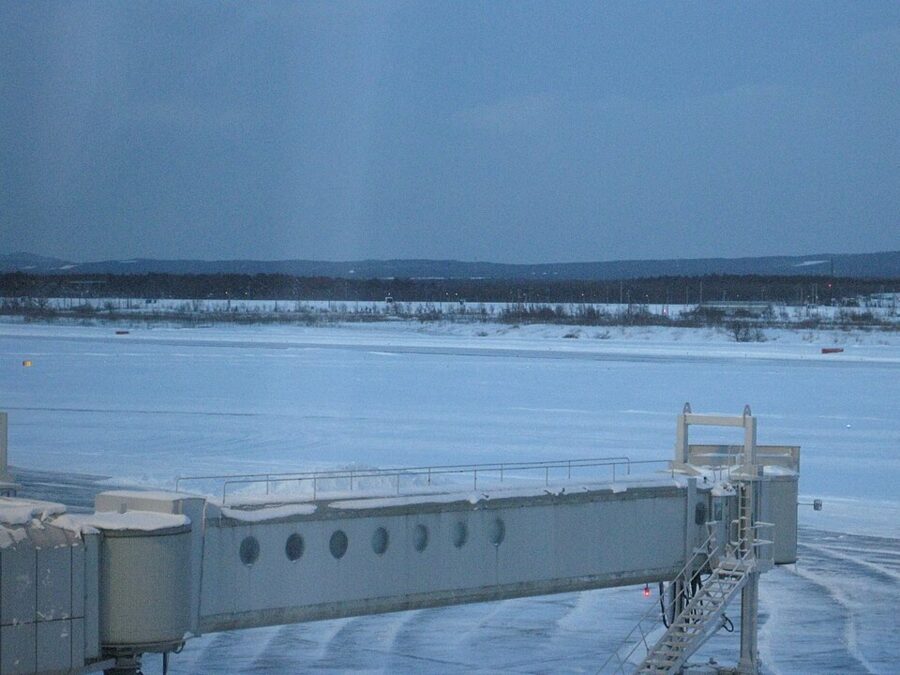

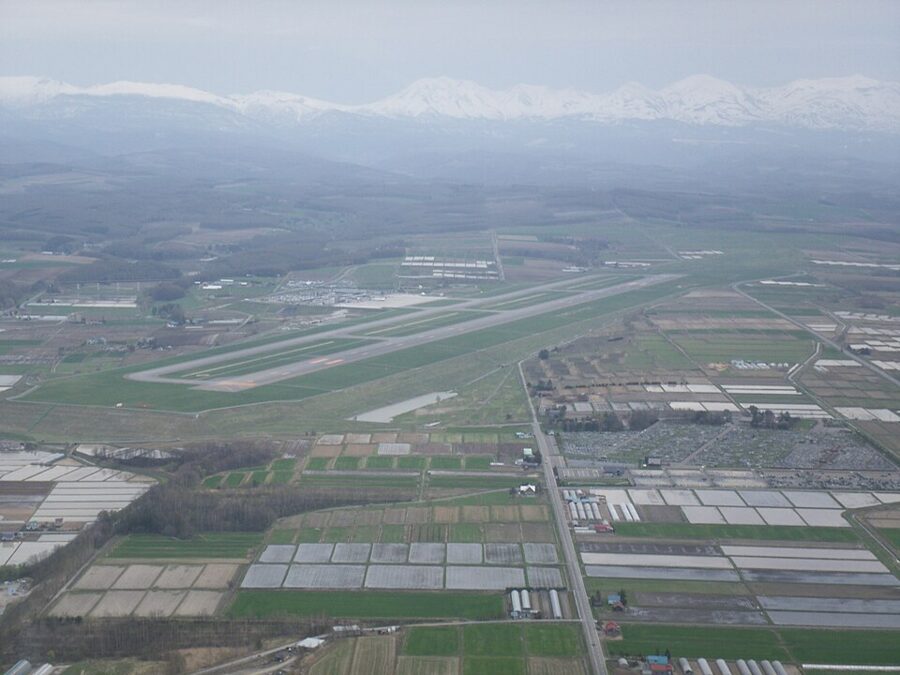
For the interior, look at Asahikawa Airport. It sits in farmland with Daisetsuzan behind it, and it is a better arrival point than New Chitose for Furano, Asahidake, Kamui Ski Links and Pippu. The Lavender bus runs from the airport to the Shin Furano Prince Hotel seven times a day, and the Ideyu bus to Asahidake leaves the airport at 08:00, 10:00, 13:00 and 15:00 for about an hour’s ride.
Rail and bus
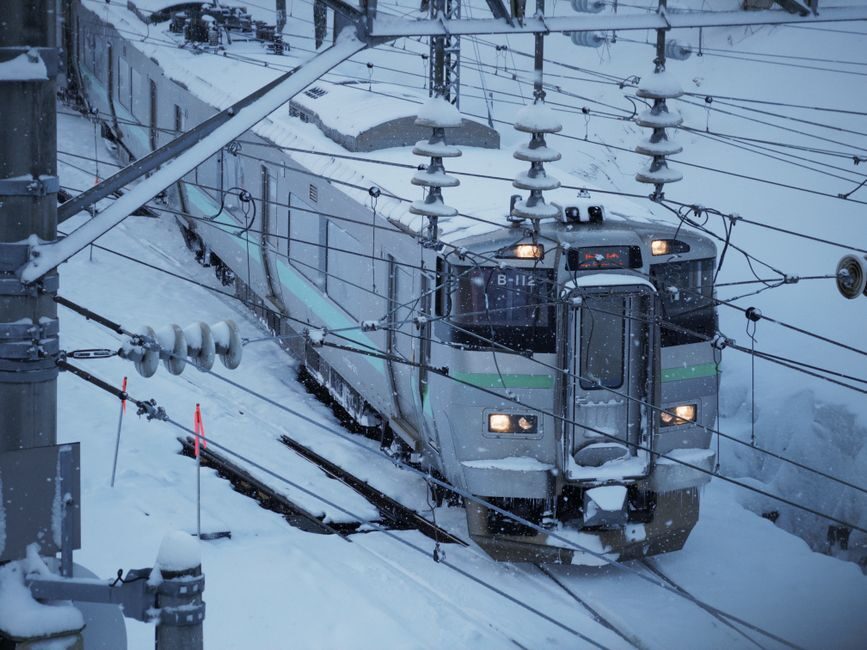
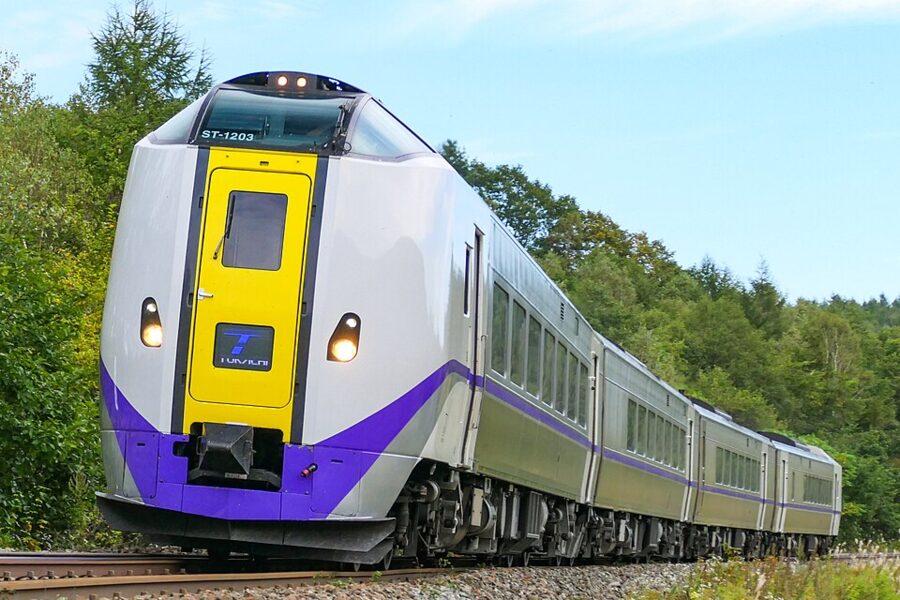
JR Hokkaido’s limited expresses do the long hauls: the Kamui and Lilac between Sapporo and Asahikawa in about 1 hour 30 minutes, and the Ozora and Tokachi from Sapporo through Tomamu to Shintoku for Sahoro. All their seats are reserved, so book before you board, and leave slack in the plan for weather delays on the mountain lines.
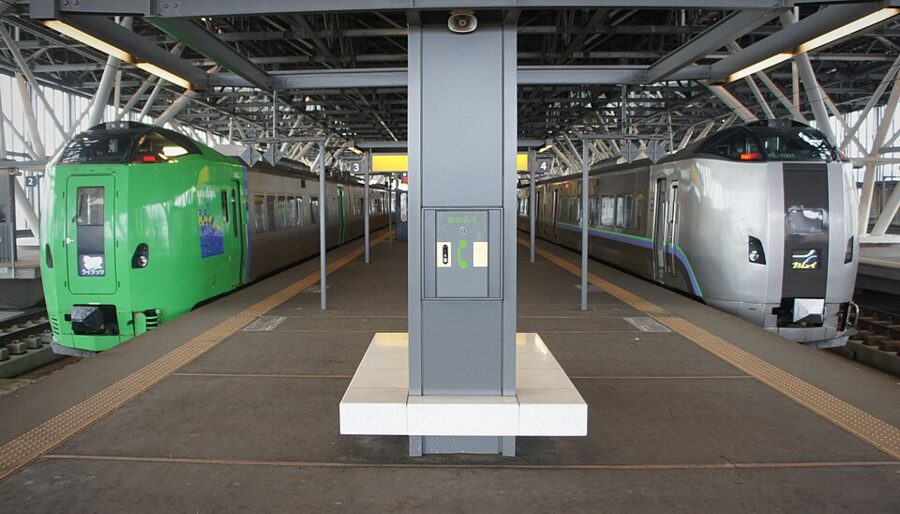

Two passes from JR Hokkaido’s rail pass range fit a ski trip, both for foreign passport holders only. The Sapporo-Furano Area Pass covers four consecutive days between New Chitose, Sapporo, Otaru, Asahikawa and Furano for ¥11,000 bought before you arrive, or ¥12,000 at a station; it does not include Tomamu. The Hokkaido Rail Pass covers the whole network for 5, 7 or 10 consecutive days at ¥22,000, ¥28,000 or ¥37,000 bought in advance. Neither covers JR Hokkaido Bus or the resort buses.
Driving in a Hokkaido winter
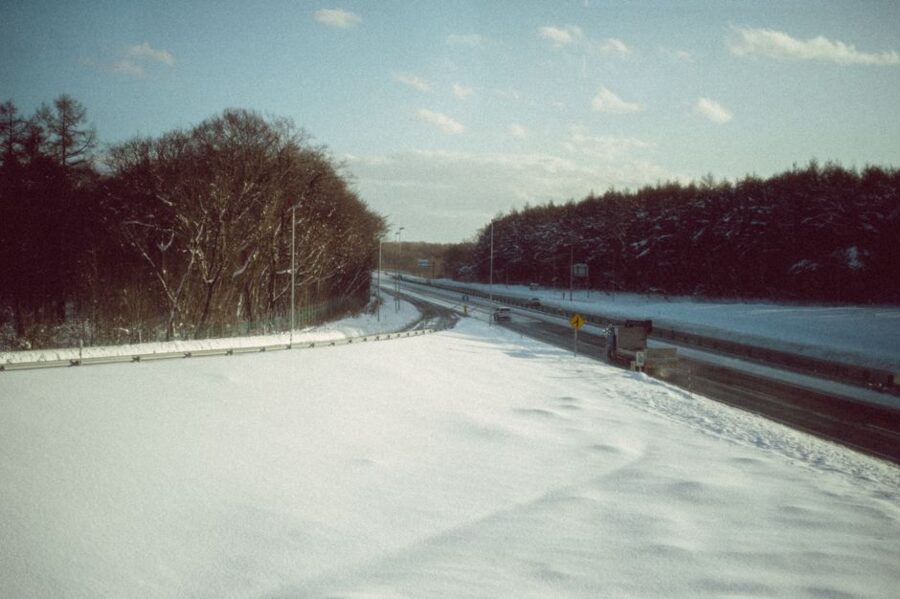
A car opens up the interior and the local hills, and Hokkaido’s roads are built for snow. Rental cars come on winter tyres; ask for four-wheel drive. Overhead arrow markers on poles show where the road edge is when the snow has buried everything else, and in a whiteout they are the only thing to steer by.
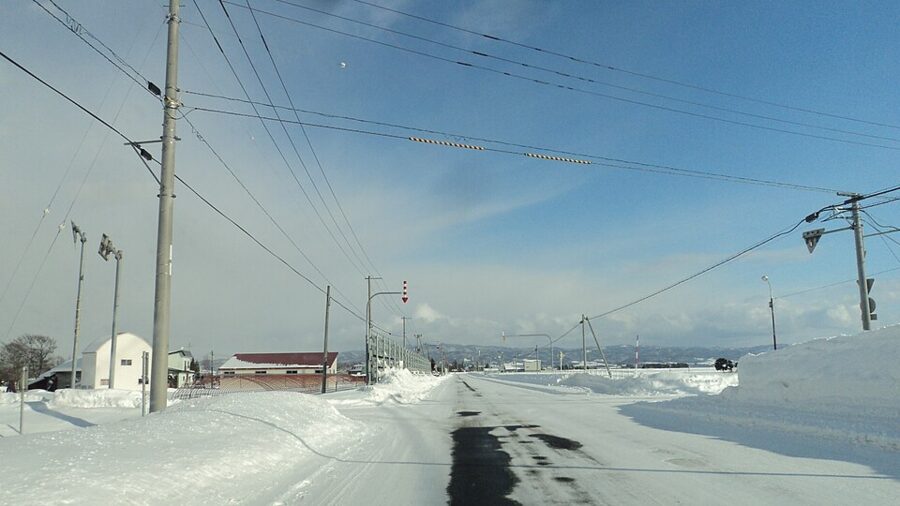

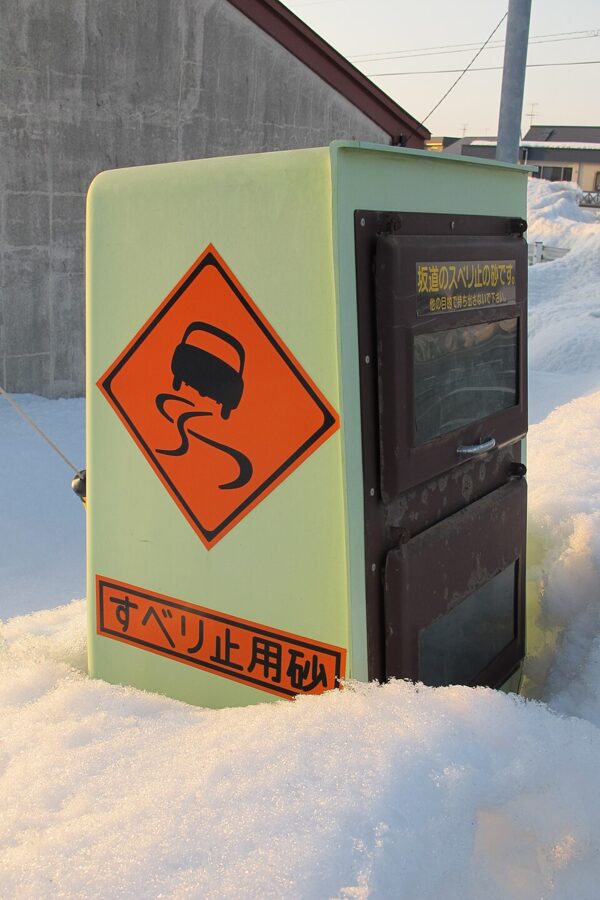
The hazard is not usually deep snow but polished ice at junctions and on the shaded stretches of mountain passes, and the ground blizzards that blow across open farmland in the interior. Drive slowly, double your stopping distances, and do not plan a pass crossing after dark in a storm warning. Fuel up when you can: in the interior, filling stations are far apart and some close early.

Combining resorts in one week
Three weeks that work, by base and by skier:
- Sapporo, no car, mixed group. Teine on arrival day, Kokusai on the reservation bus, Kiroro on the Powder Express with first tracks, an afternoon at Asari and a night at Moiwa or Bankei. Seven nights in one hotel and no luggage on buses.
- Asahikawa, no car, powder skier. Kamui Ski Links by taxi or car share, Asahidake on the Ideyu bus with a guide, Pippu on the train and free shuttle, and two days at Furano by Lavender bus. The coldest snow on the island for the least money.
- Tomamu and Sahoro, families. Four nights at Tomamu, arriving on the liner from New Chitose, then one stop down the line by limited express to Shintoku for two nights at Sahoro. The Tomamu bus also runs to Sahoro and Obihiro on Fridays, weekends and holidays from 18 December to 4 April, and daily from 25 December to 11 January.

Whatever you choose, do not try to combine Niseko with the interior in a week. Niseko to Furano is the whole width of the ski country, a full travel day in winter each way.
Passes on offer this season
There is no island-wide lift pass. Furano is on the Ikon Pass, Niseko United on the Ikon Pass and Mountain Collective, and Rusutsu on the Epic Pass. Kamori Kanko’s K Winter Pass is a season pass for its four ski areas, Teine, Rusutsu, Sahoro and the spring-only Nakayama Toge, which suits a long stay. Everyone else pays day tickets, and almost every resort sells them cheaper online.
Luggage, and the hotel tax
Ski bags are the thing that makes a multi-resort week miserable. Every bus operator wants them cased, and a city bus at 07:30 has no room for a family’s boards. Use the courier services that every Japanese hotel desk can book: send the big bags ahead by a day, and travel with a day pack. Since April 2026 Hokkaido has charged a prefectural accommodation tax per person per night, so check whether a quoted room rate includes it.
Backcountry, volcanoes and bears
Hokkaido’s backcountry is the best in Japan and some of the most unforgiving. The terrain beyond the resorts is big, cold and remote, the storms come in fast off the Sea of Japan, and help is a long way off. The Hokkaido Prefectural Police’s backcountry warnings list the minimum: check the weather and avalanche forecast, carry a beacon, probe and shovel, carry a GPS and a phone with a spare battery, do not go alone, and file a climbing plan, which you can do online through the police. They also warn that a rescue called from outside a ski area’s managed terrain may be billed to you by the ski area and others involved in the search.

The model for the island is the Niseko Rules: leave the ski area only through a gate, and when the gates are shut nobody goes out. Other areas run their own systems, from Tomamu’s app-tracked experts area to Kurodake’s entry forms. Outside any resort, you are on your own.
Read the avalanche bulletin every morning you go out. The Japan Avalanche Network issues daily bulletins for two Hokkaido areas, Daisetsu-Tokachi and Niseko-Yotei-Yoichi-Shiribetsu, and runs avalanche courses through the winter, from short evening sessions in November and December to safety camps from December 2026 to March 2027. If you have not toured in Japanese snow before, take one, or go with a guide.

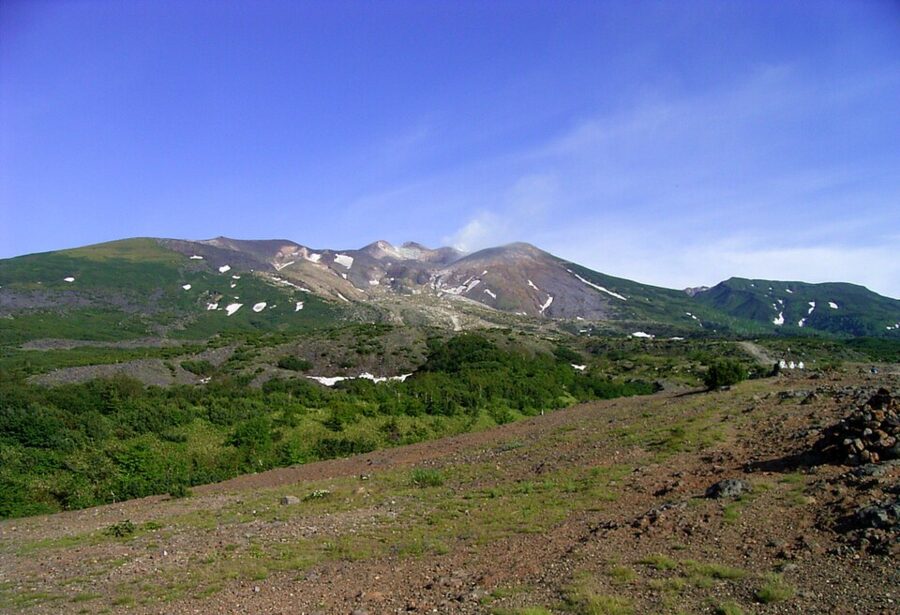
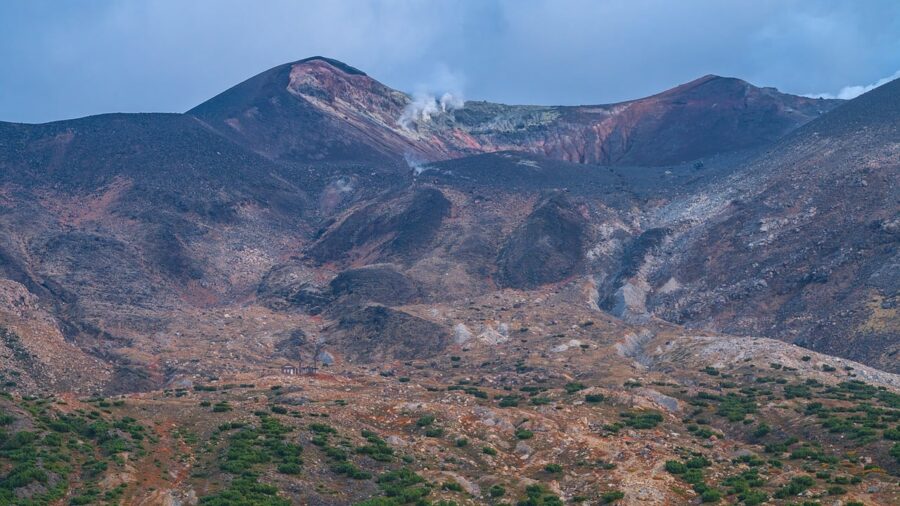
Volcanoes add a layer the Alps do not have. Tokachidake’s alert level is at Level 2, with the area within about 1.5 km of the 62-2 crater closed for large ballistic rocks, and Biei, Kamifurano and Shintoku towns enforce the restriction. It went to Level 2 in June 2026, had very small eruptions on 22 July and 6 August, was raised to Level 3 on 12 September after earthquakes increased, and came down to 2 on 16 October.
Asahidake and the rest of Daisetsuzan are at Level 1 on the same five-level scale that covers all of Japan’s active volcanoes. Tokachidake earns the attention: in May 1926 an eruption melted the snow on its upper slopes and sent a mudflow 25 km to Kamifurano, and 144 people died.

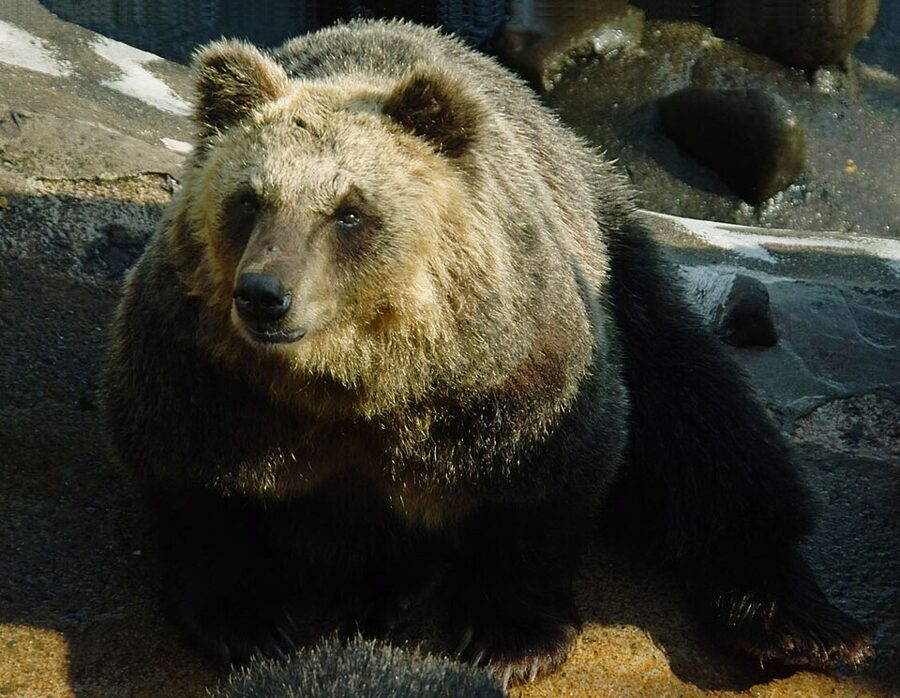
Spring is bear season. Hokkaido’s brown bears leave their dens as the snow melts, and the spring touring weeks in April and May on Daisetsuzan, the Tokachi range and Yotei overlap with them. The Hokkaido government issues a bear caution period in the seasons when people head into the hills, and none is in force in November 2026. Carry a bell and spray on spring tours below the treeline, and make noise in the forest on the way up.
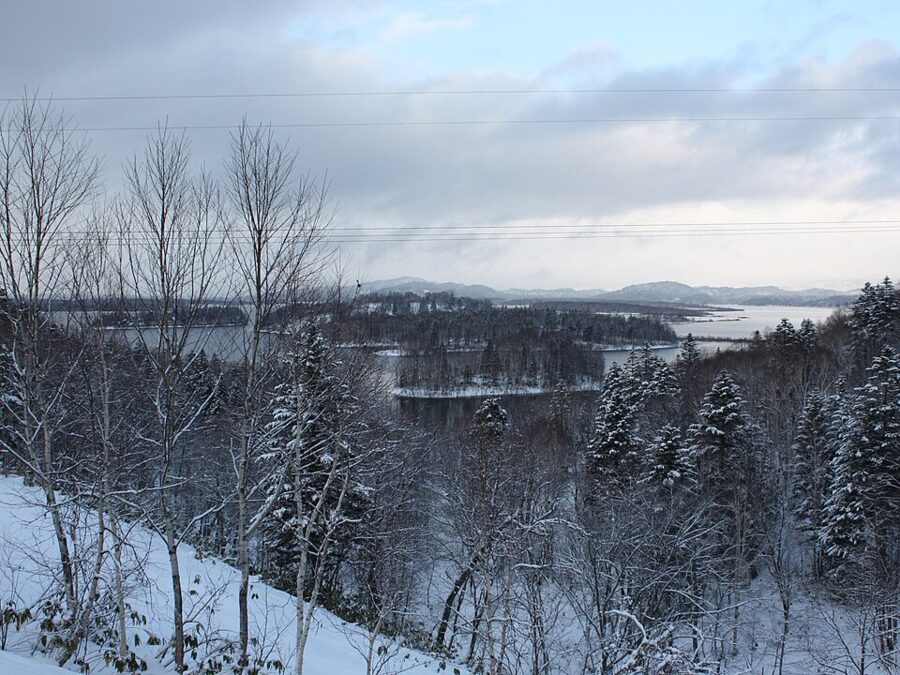

Back to Shumarinai, and its 1,247 cm of snow on a village nobody skis to. You now know why the snow there and the skiers in Hirafu do not meet: the snow belt is everywhere, the resorts are where the roads and the money went, and the best of the island lies between. Choose the side of Hokkaido you sleep on first, then book the resort, and keep one day of the week open for the storm.